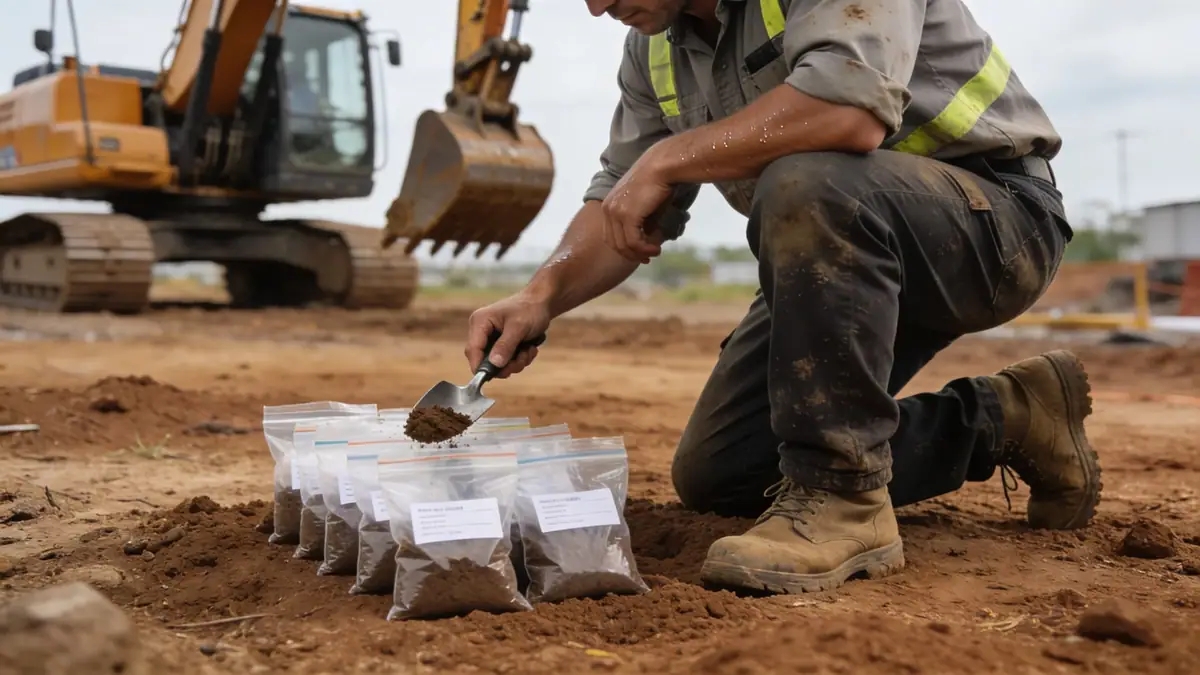
Methodology
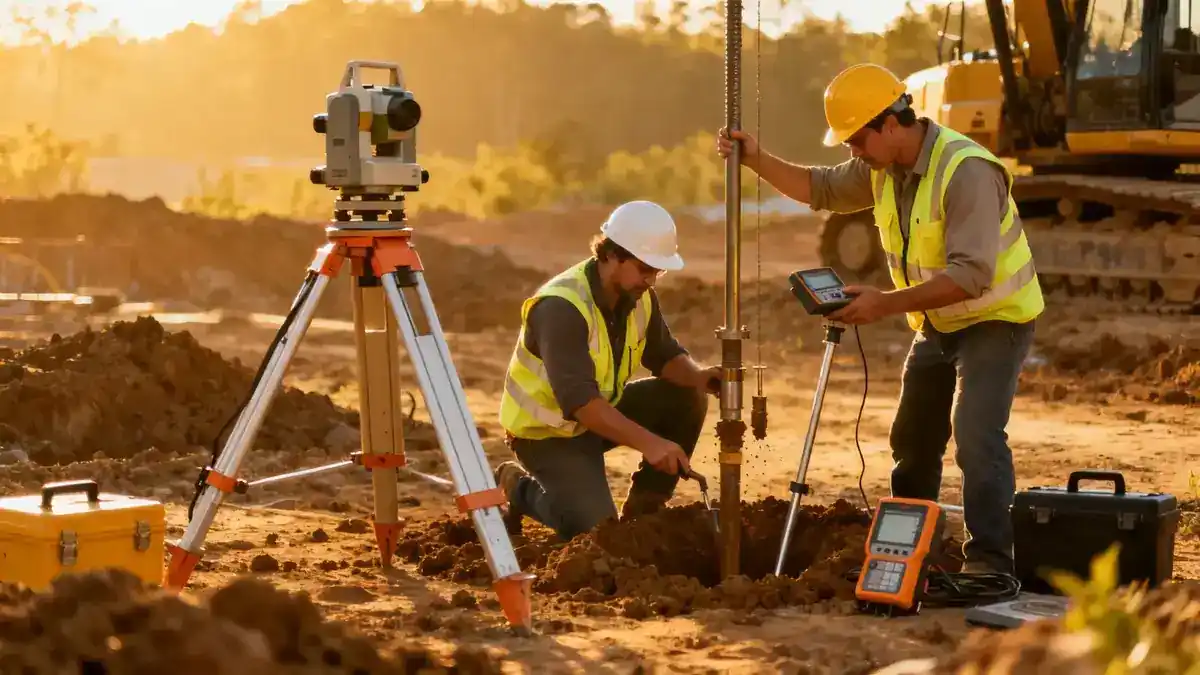
Our methodology for geotechnical engineering in Denver integrates site-specific exploration, laboratory testing, and analysis. We begin with a thorough review of existing geological data and then conduct field investigations, including spt boring to characterize soil strata and groundwater conditions. In the soil mechanics laboratory, we perform index and strength tests to determine engineering properties. This data informs our recommendations for foundations, earthworks, and slope stability, all tailored to Denver's regulatory framework and local geology.
Reference Technical Parameters
| Parameter | Reference Value |
|---|---|
| Predominant soil type | Clayey sands (SC) and silty sands (SM) with gravels |
| Maximum seismic acceleration (PGA) | 0.20g to 0.30g (IBC 2021, Site Class D) |
| Typical groundwater level | 10 to 30 feet below ground surface, variable with season |
| Bedrock depth | 50 to 200 feet (Denver Formation) |
| Typical N60 range | 5 to 30 blows per foot (ASTM D1586) |
Local Considerations — Denver
Denver's geological conditions vary significantly across the metro area. The downtown core often features deep alluvial sands and gravels with groundwater at moderate depths, while suburban areas may encounter expansive clays derived from the Denver Formation, posing risks to slab-on-grade foundations. The western foothills present colluvial soils on slopes, requiring careful evaluation for stability. Seismic site classification per IBC 2021 typically results in Site Class D, with peak ground accelerations ranging from 0.20g to 0.30g. Our team addresses these factors through targeted exploration and analysis, as detailed in our slope stability services.
Request a Quote
Our team reviews your project and issues an initial report at no cost.
Or write us directly at [email protected]
Services in Denver
Locations covered in Denver
Applicable Standards
- IBC 2021 (International Building Code)
- ASCE 7-16 (Minimum Design Loads and Associated Criteria)
- ASTM D1586 (Standard Test Method for Standard Penetration Test)
- Denver Revised Municipal Code, Chapter 27 (Building Regulations)
Frequently Asked Questions
What are the typical soil types encountered in Denver?
Denver's soils are predominantly clayey sands (SC) and silty sands (SM), often with gravels. In areas underlain by the Denver Formation, expansive clays are common, requiring special foundation design to mitigate volume changes.
How does seismic hazard affect geotechnical engineering in Denver?
Denver has a moderate seismic hazard, with PGA values up to 0.30g per IBC 2021. Site classification typically falls into Site Class D, necessitating site-specific response analysis for critical structures and compliance with ASCE 7 provisions.
Are geotechnical studies mandatory for construction in Denver?
Yes, Denver's building code requires a geotechnical investigation for most new structures, especially those with deep foundations, slopes, or expansive soils. The study must address soil bearing capacity, settlement, seismic design, and groundwater conditions.