Methodology
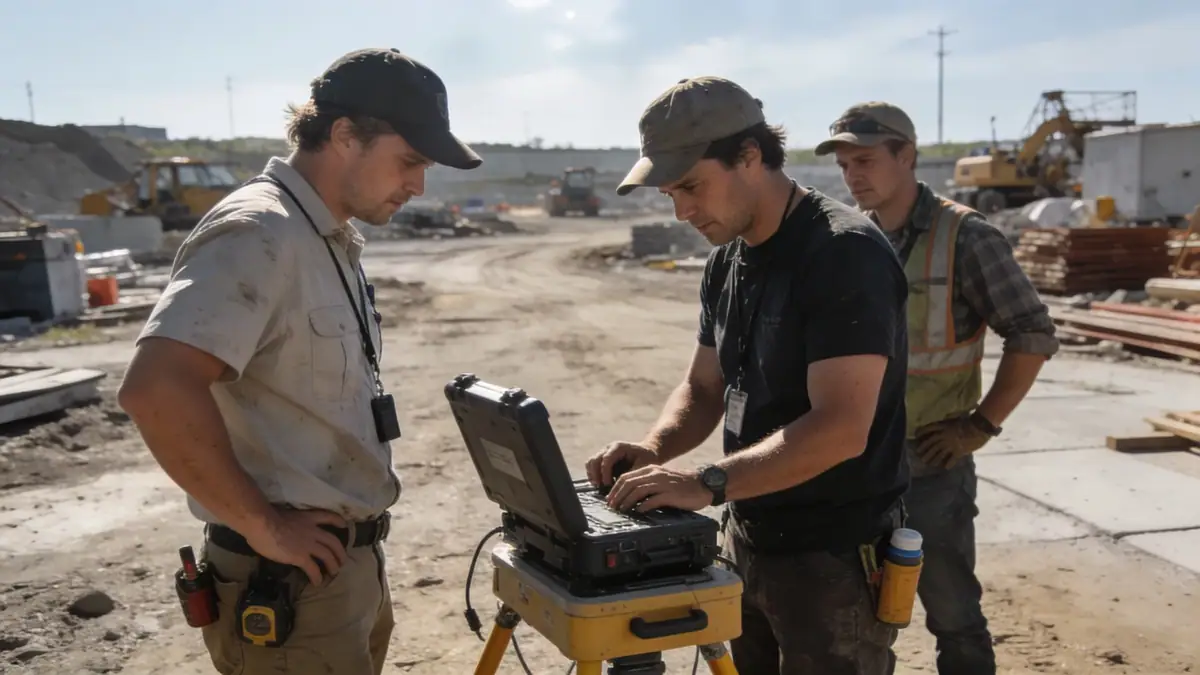
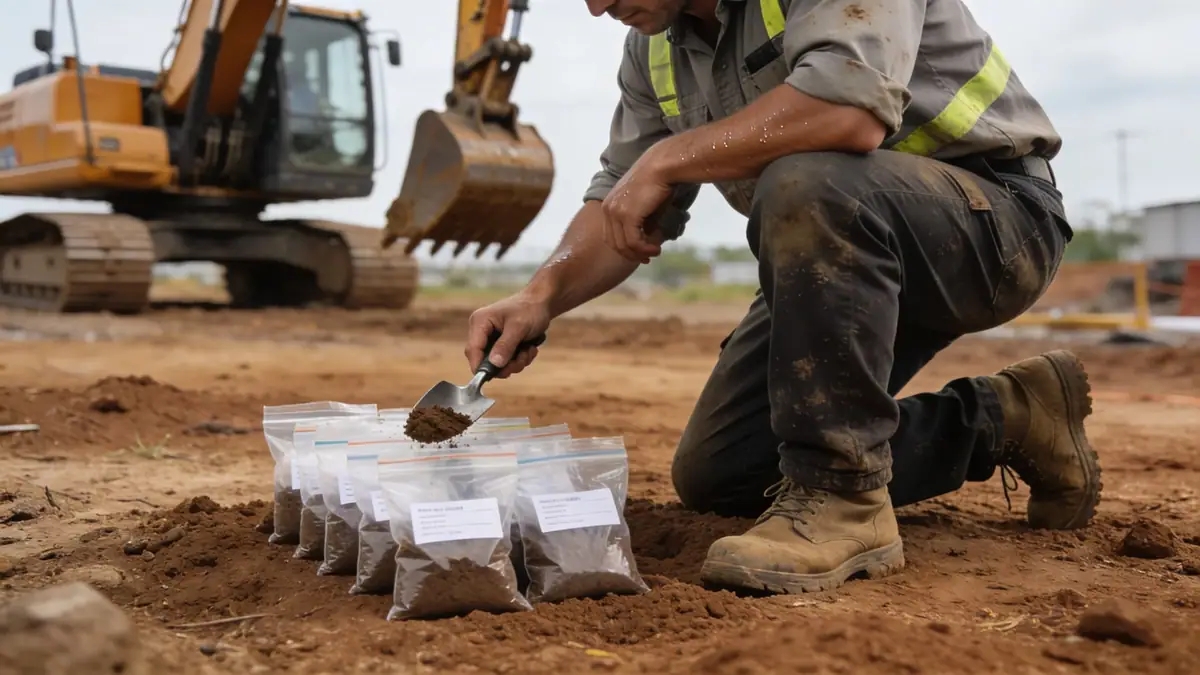
Our methodology for geotechnical investigations in West Valley City integrates standard penetration testing (SPT) per ASTM D1586, continuous soil sampling, and laboratory analysis in our soil mechanics laboratory. We employ a phased approach: initial reconnaissance to identify geologic hazards, followed by borings typically advanced to depths of 15–30 meters depending on structural loads. Soil classification, consolidation, and shear strength tests are conducted to parameterize bearing capacity and settlement. Advanced seismic hazard analyses incorporate site-specific acceleration spectra per ASCE 7, with liquefaction potential evaluated using cyclic stress ratios. This systematic process ensures that our findings directly inform foundation and earthwork design.
Reference Technical Parameters
| Parameter | Reference Value |
|---|---|
| Predominant Soil Type | Silty sands and gravels with interbedded clays |
| Maximum Seismic Acceleration (PGA) | 0.4g (Site Class D, per ASCE 7) |
| Typical Groundwater Level | 3–6 meters below ground surface |
| Bedrock Depth | >30 meters (deep alluvial basin) |
| Typical N60 Range | 10–30 blows/0.3m (variable with depth) |
Local Considerations — West Valley City
West Valley City lies within the Salt Lake Valley, characterized by deep alluvial deposits from the Jordan River and nearby mountain fronts. The subsurface profile typically consists of interbedded sands, silts, and clays, with occasional gravel lenses. Groundwater levels fluctuate seasonally and are often encountered at depths of 3–6 meters, necessitating dewatering considerations for excavations. Seismically, the region is influenced by the Wasatch Fault Zone, with design accelerations up to 0.4g requiring liquefaction assessment for loose granular soils. Our team has extensive experience navigating these conditions, from residential subdivisions to commercial developments, ensuring compliance with local geotechnical ordinances. For regional context, our geotechnical engineering in Denver provides a benchmark for intermountain basin projects.
Request a Quote
Our team reviews your project and issues an initial report at no cost.
Or write us directly at [email protected]
Services in West Valley City
Applicable Standards
- ASCE 7-22 Minimum Design Loads for Buildings and Other Structures
- IBC 2021 International Building Code
- ASTM D1586 Standard Test Method for Standard Penetration Test
- ASTM D2487 Standard Practice for Classification of Soils
- UBC 1997 Uniform Building Code (for existing structures)
Frequently Asked Questions
What are the typical soil conditions in West Valley City?
Soils are predominantly alluvial sands, silts, and clays deposited by ancient Lake Bonneville and the Jordan River. Near-surface layers often exhibit variable compaction, with deeper strata becoming denser. Groundwater is typically shallow, requiring careful evaluation for basement construction and slope stability.
How does seismic activity affect foundation design in West Valley City?
The proximity to the Wasatch Fault Zone imposes high seismic demands. ASCE 7 Site Class D soils amplify ground motions, and liquefaction potential exists in loose, saturated sands. Foundations must be designed for peak ground accelerations of 0.4g, often requiring deep foundations or ground improvement.
Are geotechnical studies mandatory for construction in West Valley City?
Yes, the city requires a geotechnical report for most new structures and additions, particularly those in seismic design categories C and above. The report must include boring logs, soil classification, liquefaction analysis, and foundation recommendations per IBC and local amendments.