Methodology
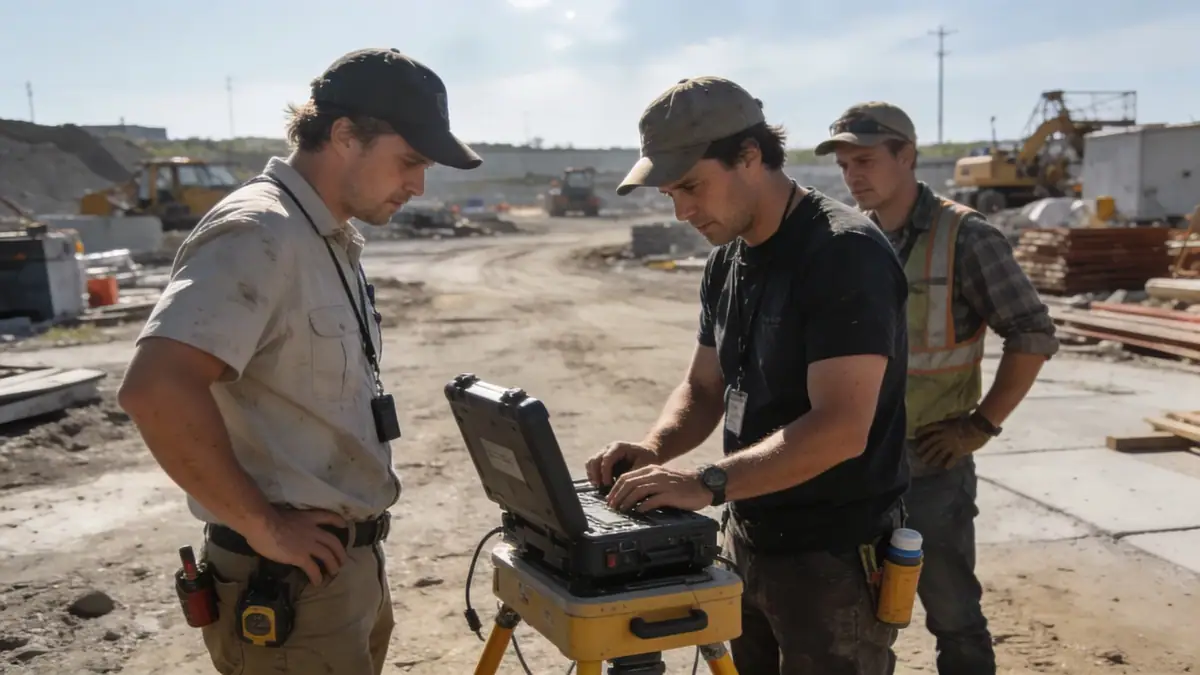
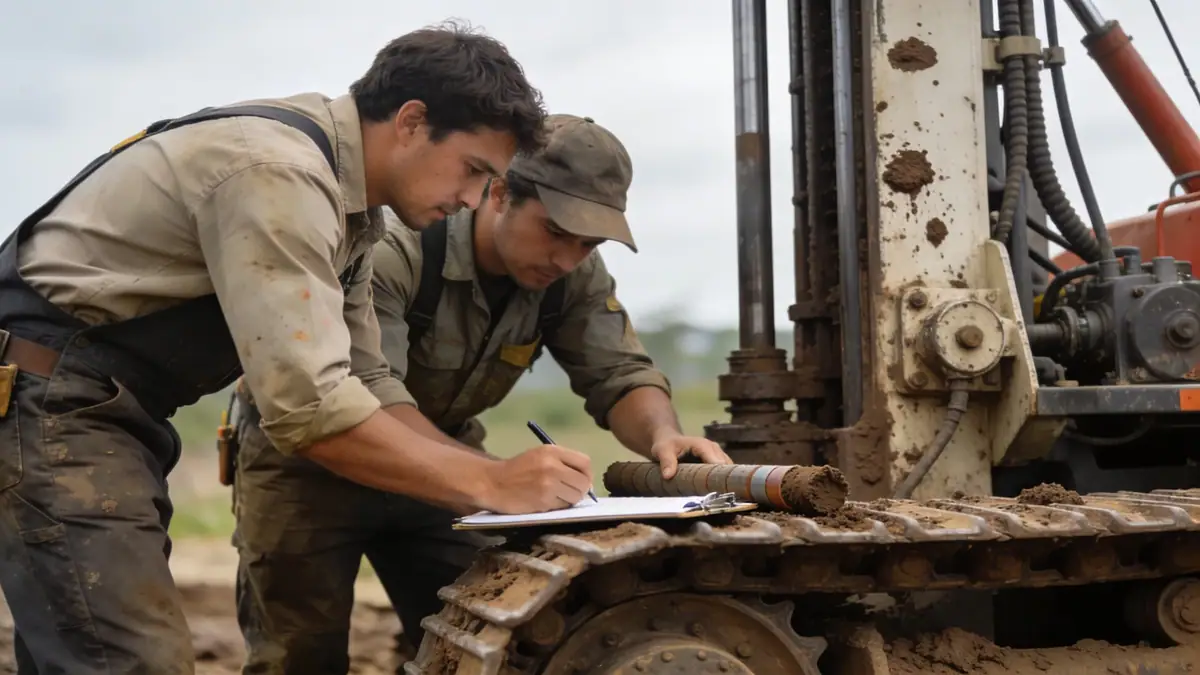
Our SPT Boring methodology strictly follows ASTM D1586-18. A 63.5 kg hammer is dropped 0.76 m to drive a split-barrel sampler into the soil. The number of blows required for each 0.15 m increment is recorded over a total penetration of 0.45 m, with the N-value being the sum of blows for the last 0.30 m. We use automatic hammers and calibrated catheads to ensure energy transfer efficiency. Boreholes are advanced using rotary wash or hollow-stem augers, with continuous sampling at 1.5 m intervals or at every change of stratum. Our field technicians log soil types, measure groundwater levels, and preserve samples for laboratory classification. This data is integrated with our Soil Mechanics Laboratory for comprehensive analysis.
Reference Technical Parameters
| Parameter | Reference Value |
|---|---|
| Hammer Weight | 63.5 kg (140 lb) |
| Drop Height | 0.76 m (30 in) |
| Sampler Dimensions | External Ø 50.8 mm, Internal Ø 34.9 mm |
| Standard Penetration Depth | 0.45 m (1.5 ft) per test |
| N-value Range (Typical) | 0 to 100+ blows/0.3 m |
Local Considerations — USA
The United States presents diverse geotechnical conditions that require adaptive SPT Boring approaches. In regions like Akron, Ohio, glacial till deposits demand careful handling of cobbles, while in Albuquerque, New Mexico, alluvial sands and silts require groundwater control measures. Allentown, Pennsylvania, features residual soils from shale and limestone that can affect sampler recovery. Our firm adjusts drilling methods, hammer energy corrections, and sampling intervals based on local geology. For instance, in seismic zones such as Anchorage, Alaska, we perform SPT at closer intervals for liquefaction analysis. This regional expertise ensures that N-values are representative and project-specific.
Request a Quote
Our team reviews your project and issues an initial report at no cost.
Or write us directly at [email protected]
Applicable Standards
- ASTM D1586-18
- ASTM D2488 (Visual Classification)
- ASCE 7 (Seismic Load Criteria)
- OSHA 29 CFR 1926 (Safety Regulations)
Frequently Asked Questions
What is the difference between SPT and CPT?
SPT (Standard Penetration Test) provides a discrete N-value from a hammer-driven sampler, while CPT (Cone Penetration Test) yields continuous profiles of tip resistance and friction. SPT is preferred for soil classification and retrieving samples, whereas CPT is faster and more repeatable in soft soils.
What is the typical depth range for SPT boring?
SPT boring depths typically range from 5 to 30 meters, depending on project requirements and subsurface conditions. For deep foundations or high-rise structures, depths can exceed 50 meters. Our equipment can drill up to 60 meters in most soil types.
How long does a standard SPT boring take?
A typical 15-meter SPT boring with sampling every 1.5 meters takes approximately 2 to 4 hours, including setup and demobilization. Complex sites with difficult access or obstructions may require additional time. We provide schedule estimates during project planning.
How much does SPT Boring cost in the USA?
SPT Boring costs typically range from $550 to $760 per test, depending on depth, accessibility, number of tests, and location. This range is a 2026 reference; we recommend requesting a detailed quote for your specific project. Contact our team for a tailored estimate.