
Methodology
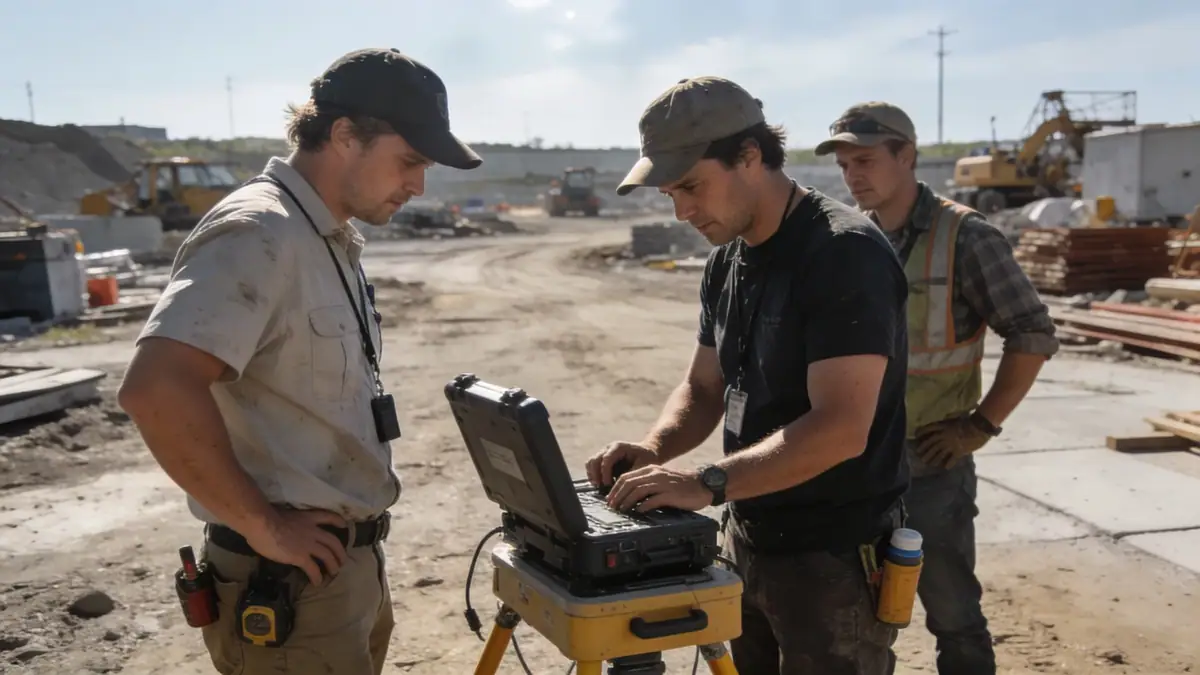
Our approach to geotechnical engineering in Colorado Springs begins with a thorough review of regional geologic maps and previous site data. We then conduct subsurface investigations tailored to the project scope, typically using spt boring to characterize soil stratification and strength. Field work follows ASTM D1586 standards, with sampling intervals adjusted based on site variability. Laboratory testing—including index properties, compaction, and shear strength—completes the picture. Our methodology emphasizes understanding the interaction between soil behavior and structural loads, especially in areas prone to expansive soils or seismic shaking. The result is a clear set of geotechnical recommendations that support safe and economical design.
Reference Technical Parameters
| Parameter | Reference Value |
|---|---|
| Predominant soil type | Clayey sand (SC) and lean clay (CL) with gravel layers |
| Maximum seismic acceleration (PGA) | 0.20g to 0.30g (ASCE 7-16) |
| Typical groundwater level | Variable; 10 to 25 ft below grade in most areas |
| Bedrock depth | Shallow (5–15 ft) along foothills; deeper (30–50 ft) on plains |
| Typical N60 range | 8–30 blows/ft in cohesionless soils; 4–15 blows/ft in clays |
Local Considerations — Colorado Springs
Colorado Springs sits at the transition between the Rocky Mountains and the High Plains, creating complex subsurface conditions. Our team addresses five key factors: 1) Expansive clay soils in the central and eastern areas require special foundation design per ASTM D4318. 2) Shallow bedrock along the west side can impact excavation and utility placement. 3) Groundwater levels fluctuate with seasonal precipitation and irrigation. 4) Seismic design follows ASCE 7-16 with PGA values up to 0.30g in some zones. 5) Alluvial deposits along Monument and Fountain Creeks present variable bearing capacities. As part of our regional expertise, we coordinate with our geotechnical engineering en Denver office for projects spanning the Front Range.
Request a Quote
Our team reviews your project and issues an initial report at no cost.
Or write us directly at [email protected]
Services in Colorado Springs
Applicable Standards
- ASTM D1586 – Standard Test Method for Standard Penetration Test (SPT)
- ASCE 7-16 – Minimum Design Loads and Associated Criteria for Buildings (Seismic)
- IBC 2021 – International Building Code (adopted by Colorado)
- ASTM D4318 – Standard Test Methods for Liquid Limit, Plastic Limit, and Plasticity Index of Soils
Frequently Asked Questions
What are the typical soil types encountered in Colorado Springs?
Colorado Springs soils vary from clayey sands and lean clays on the plains to sandy gravels and weathered bedrock near the mountains. Expansive clays are common in central and eastern areas, requiring careful moisture control and foundation design.
Is seismic design required for projects in Colorado Springs?
Yes, per ASCE 7-16 and the IBC 2021, seismic design is mandatory. Peak ground accelerations range from 0.20g to 0.30g depending on site location. Our team provides site-specific seismic hazard assessments to determine the appropriate design parameters.
Are geotechnical studies mandatory for residential construction in Colorado Springs?
While not always required by code for single-family homes, many local jurisdictions and lenders recommend or require a geotechnical study, especially on lots with known expansive soils, steep slopes, or fill. Our firm can advise on when a study is prudent.