Methodology
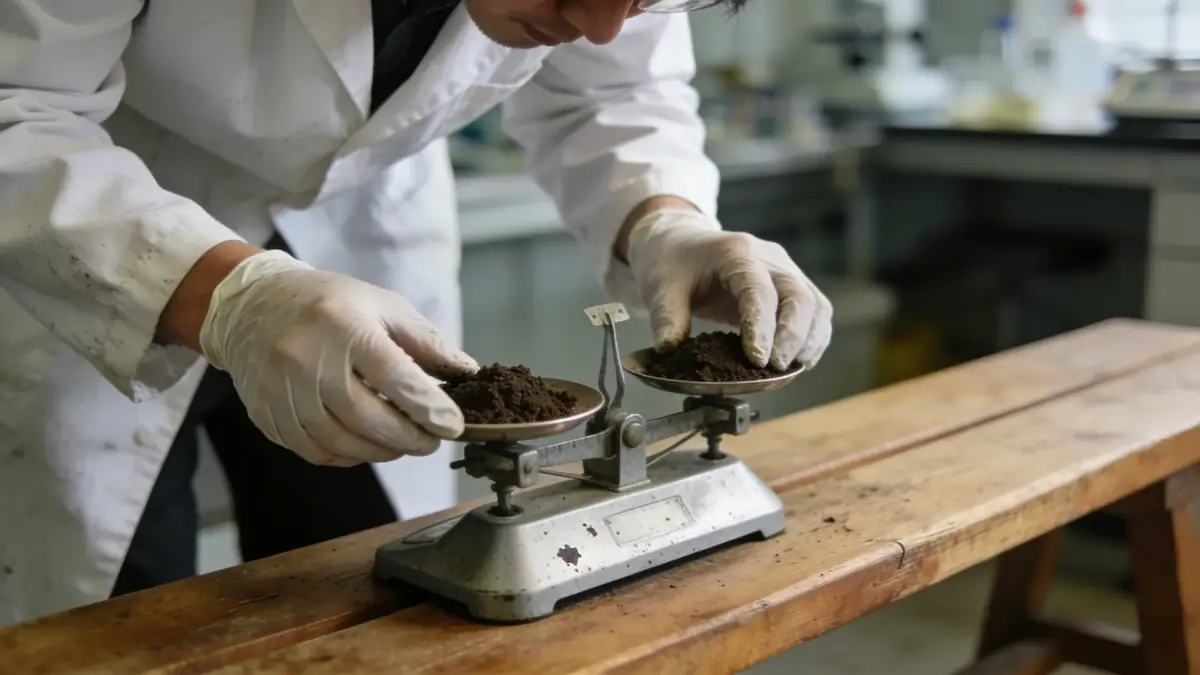
Our approach to geotechnical engineering in Seattle integrates comprehensive site characterization with advanced numerical modeling. We begin with a thorough review of existing geologic maps and historical data, followed by a subsurface exploration program tailored to the project scale. Typical methods include spt boring to obtain disturbed samples and N-values, and cone penetration testing for continuous stratigraphic profiling. In the laboratory, we perform index tests, strength testing, and consolidation tests to characterize soil behavior. For seismic design, we evaluate site class per ASCE 7 and conduct liquefaction hazard assessments using cyclic resistance ratios. Our reports provide clear recommendations for foundations, retaining walls, and slope stability, ensuring compliance with local building codes and standards.
Reference Technical Parameters
| Parameter | Reference Value |
|---|---|
| Predominant soil type | Glacial till (Vashon till), alluvium, fill |
| Maximum seismic acceleration (PGA) | 0.2g to 0.4g (ASCE 7 risk-targeted MCE) |
| Typical groundwater level | 1.5 to 6 m below grade (varies seasonally) |
| Bedrock depth | 10 to 60 m (sandstone/siltstone bedrock) |
| Typical N60 range | 10 to 50 blows/0.3 m (glacial till) |
Local Considerations — Seattle
Seattle's unique glacial geology presents distinct challenges for geotechnical engineering. The city is underlain by sequences of glacial till, outwash sands and gravels, and lacustrine clays from the Vashon Stade. In the downtown area, thick artificial fill over soft alluvial soils poses settlement and liquefaction risks. Steep hillsides in Queen Anne and Capitol Hill require careful slope stability analysis. The Seattle Fault zone, capable of M 7+ earthquakes, demands site-specific seismic hazard assessments. Shallow groundwater (<3 m) in many neighborhoods complicates excavation and foundation design. Our team tailors exploration and testing to these conditions, verifying soil parameters through laboratory testing and in-situ methods.
Request a Quote
Our team reviews your project and issues an initial report at no cost.
Or write us directly at [email protected]
Services in Seattle
Locations covered in Seattle
Applicable Standards
- ASCE 7 (Minimum Design Loads for Buildings and Other Structures)
- Seattle Building Code (SBC, based on IBC)
- ASTM D1586 (Standard Test Method for SPT)
- ASTM D2487 (Unified Soil Classification System)
Frequently Asked Questions
What are the typical soil conditions in Seattle?
Seattle's soils are predominantly glacial till (dense, low compressibility), with local deposits of alluvial sands, silts, and clays. Fill soils are common in the waterfront and industrial areas. Groundwater is typically shallow, ranging from 1.5 to 6 m depth.
Do I need a geotechnical study for a small residential project in Seattle?
Yes, the Seattle Building Code requires a geotechnical report for most new construction and major additions, especially in areas prone to liquefaction or landslides. Even small projects benefit from a study to ensure safe foundation design and comply with local regulations.
How does the Seattle Fault affect geotechnical design?
The Seattle Fault zone can produce strong ground motions and surface rupture. Geotechnical designs must incorporate site-specific seismic hazard analysis, including peak ground acceleration (PGA) and liquefaction potential. ASCE 7 provides design spectra, but local fault proximity may require higher seismic coefficients.