
Methodology
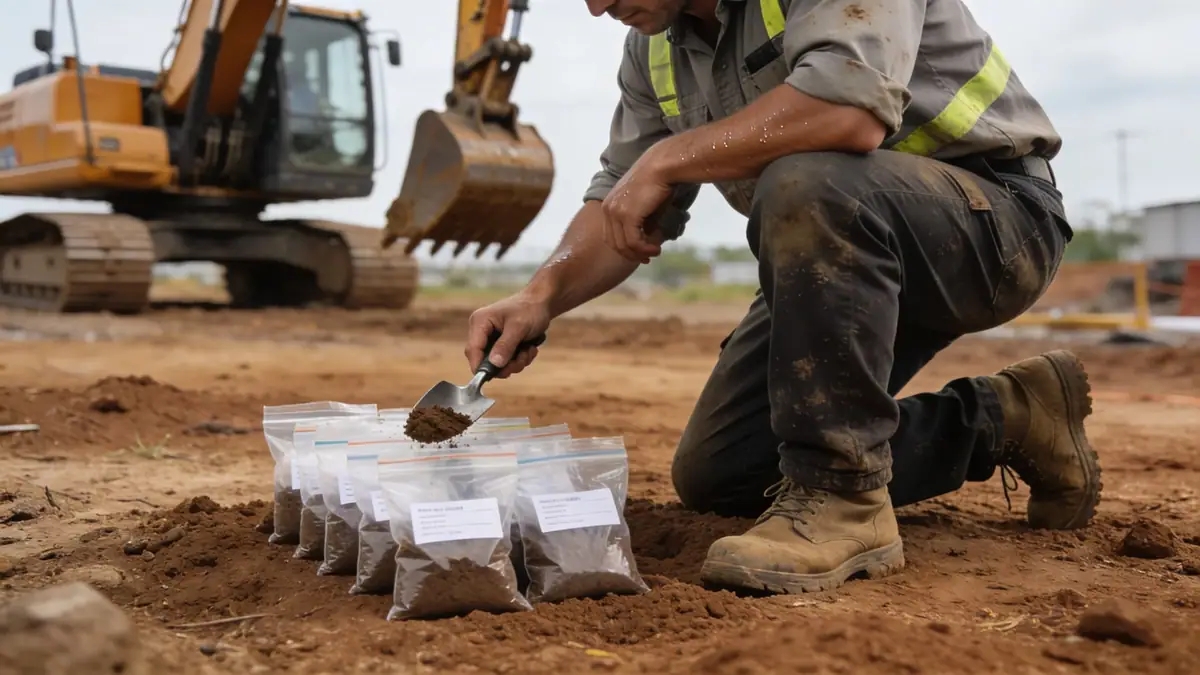
Our methodology for geotechnical engineering in Lubbock integrates field and laboratory programs tailored to the local geology. We begin with a review of existing geological maps and site history, followed by subsurface exploration using spt boring to obtain soil samples at depth intervals of 1.5 m per ASTM D1586. Laboratory testing includes classification, strength, and consolidation tests to characterize the typical alluvial and eolian deposits. This data informs our analyses for foundation bearing capacity, settlement, and seismic site response.
Reference Technical Parameters
| Parameter | Reference Value |
|---|---|
| Predominant soil type | Silty clay and sand (alluvial/eolian) |
| Maximum seismic acceleration (PGA) | 0.1g to 0.2g (ASCE 7 Site Class D) |
| Typical groundwater level | 10 to 30 m below ground surface |
| Bedrock depth | >100 m (deep sedimentary basin) |
| Typical N60 range | 5 to 30 blows/0.3 m |
Local Considerations — Lubbock
Lubbock's geology consists of deep alluvial and eolian deposits over the Ogallala Formation, with silty clay and sand layers extending to great depths. The water table is typically deep (10–30 m), reducing liquefaction potential but requiring consideration for deep foundations in some areas. Seismic hazard is moderate, with ASCE 7 Site Class D typical. Notable soil issues include expansive clays in some parts of the city, which necessitate specialized foundation design. For a broader perspective, our team also provides geotechnical engineering in Denver.
Request a Quote
Our team reviews your project and issues an initial report at no cost.
Or write us directly at [email protected]
Services in Lubbock
Applicable Standards
- ASTM D1586
- ASCE 7
- International Building Code (IBC)
- ASTM D2487 (USCS)
Frequently Asked Questions
What are the typical soil conditions in Lubbock for geotechnical engineering?
Soils in Lubbock are predominantly silty clays and sands from alluvial and eolian processes, with the Ogallala Formation at depth. Groundwater is generally deep, and expansive clays may be present in localized areas, requiring careful assessment for foundation design.
How do seismic codes affect geotechnical engineering in Lubbock?
Lubbock falls under ASCE 7 seismic design categories with a PGA of 0.1g to 0.2g. Site Class D is common due to deep soil profiles. Geotechnical reports must include site-specific seismic response analyses per IBC requirements to ensure structural safety.
Is a geotechnical study mandatory for construction in Lubbock?
While not always mandatory for all projects, most building permits in Lubbock require a geotechnical report per IBC Chapter 18, especially for commercial and multi-family structures. Local practice strongly recommends studies for any project to mitigate soil-related risks.