Methodology
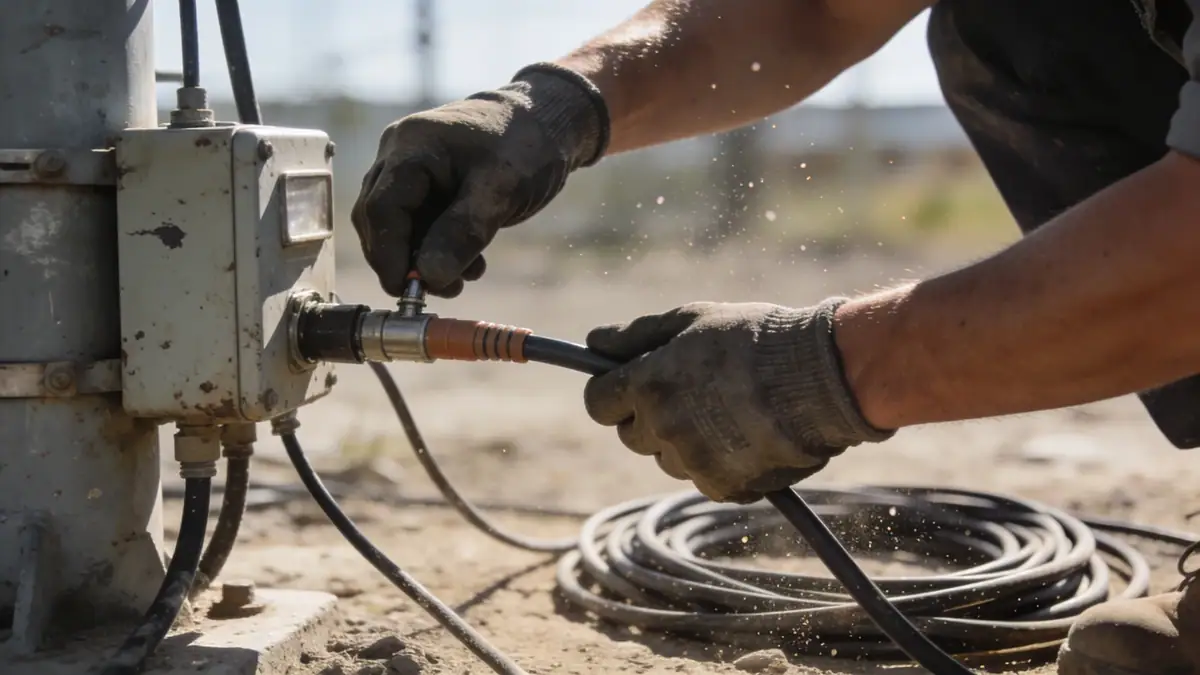
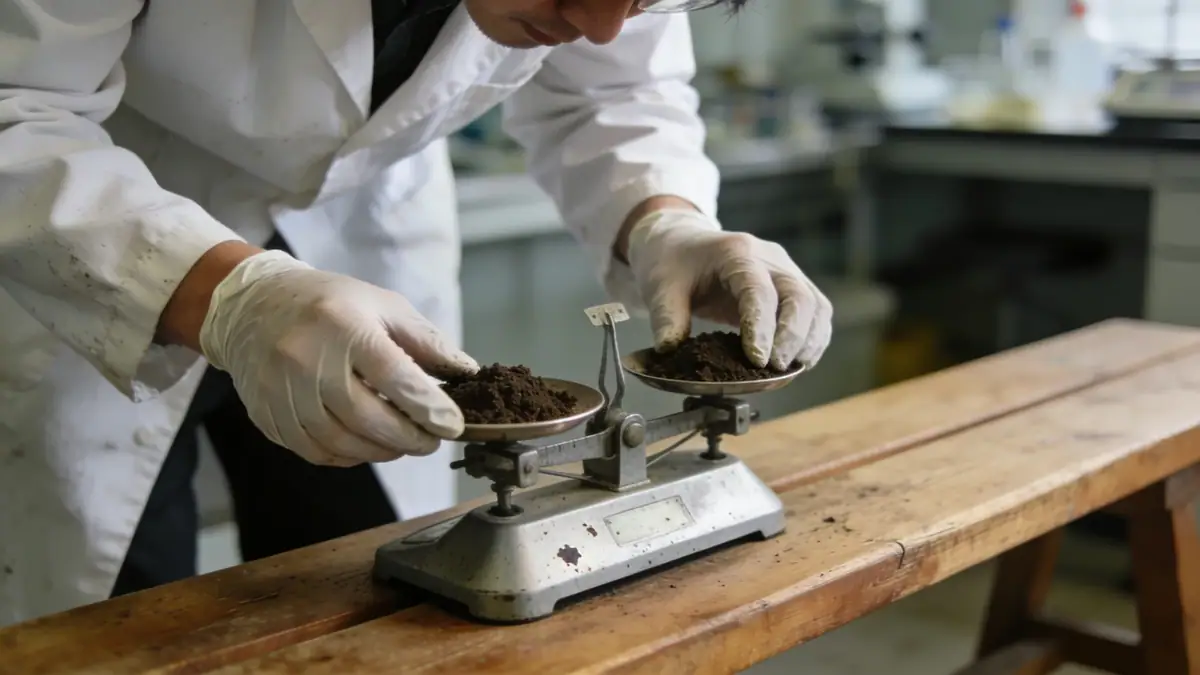
Our approach to geotechnical engineering in Salt Lake City integrates field investigations, laboratory testing, and analytical modeling. We conduct spt boring at strategic intervals to characterize soil stratigraphy and strength, following ASTM D1586 protocols. Sampling and in-situ testing are tailored to the Wasatch Front geology, where interbedded sands, silts, and clays require careful interpretation. Laboratory programs include index properties, consolidation, and shear strength tests to inform foundation design and slope stability assessments. All work adheres to recognized standards to produce reliable parameters for engineering decisions.
Reference Technical Parameters
| Parameter | Reference Value |
|---|---|
| Predominant Soil Type | Lacustrine clay, alluvial sand, gravel |
| Maximum Seismic Acceleration (PGA) | 0.4–0.6 g (Site Class D typical) |
| Typical Groundwater Level | 3–10 m below grade |
| Bedrock Depth | 30–100 m (sedimentary basin fill) |
| Typical N60 Range | 5–15 (clay), 20–40 (sand) |
Local Considerations — Salt Lake City
Salt Lake City lies within the seismically active Wasatch fault zone, where ground motions are amplified by deep basin sediments. The city’s soil profile includes compressible lacustrine clays (e.g., Bonneville formation) prone to settlement and liquefaction. Downtown areas often feature shallow groundwater, requiring dewatering and buoyancy considerations. In contrast, bench areas near the mountains have stiffer alluvial soils and lower water tables. Our geotechnical engineering in Salt Lake City addresses these contrasts through site-specific exploration and analysis, referencing soil mechanics laboratory testing for accurate soil characterization. We also coordinate with the broader geotechnical engineering en Denver to align regional practices.
Request a Quote
Our team reviews your project and issues an initial report at no cost.
Or write us directly at [email protected]
Services in Salt Lake City
Applicable Standards
- ASTM D1586 (Standard Penetration Test)
- ASCE 7 (Minimum Design Loads for Buildings)
- IBC 2021 (International Building Code)
- Utah Seismic Safety Commission Guidelines
Frequently Asked Questions
What are the common soil types encountered in Salt Lake City?
Soils vary from soft lacustrine clays and silts in the valley floor to stiff alluvial sands and gravels near the mountain fronts. The deep basin fill includes interbedded deposits from ancient Lake Bonneville, often with high compressibility and variable strength.
How does seismic hazard affect geotechnical design in Salt Lake City?
The Wasatch fault zone poses a significant seismic threat. Peak ground accelerations can exceed 0.4 g. Geotechnical studies must evaluate liquefaction potential, site amplification, and fault rupture hazards per ASCE 7 and local codes.
Are geotechnical studies mandatory for all projects in Salt Lake City?
Yes, most building permits require a geotechnical report per IBC and local amendments. The scope depends on project size and site conditions, but subsurface exploration and laboratory testing are typically required for foundation and earthwork design.