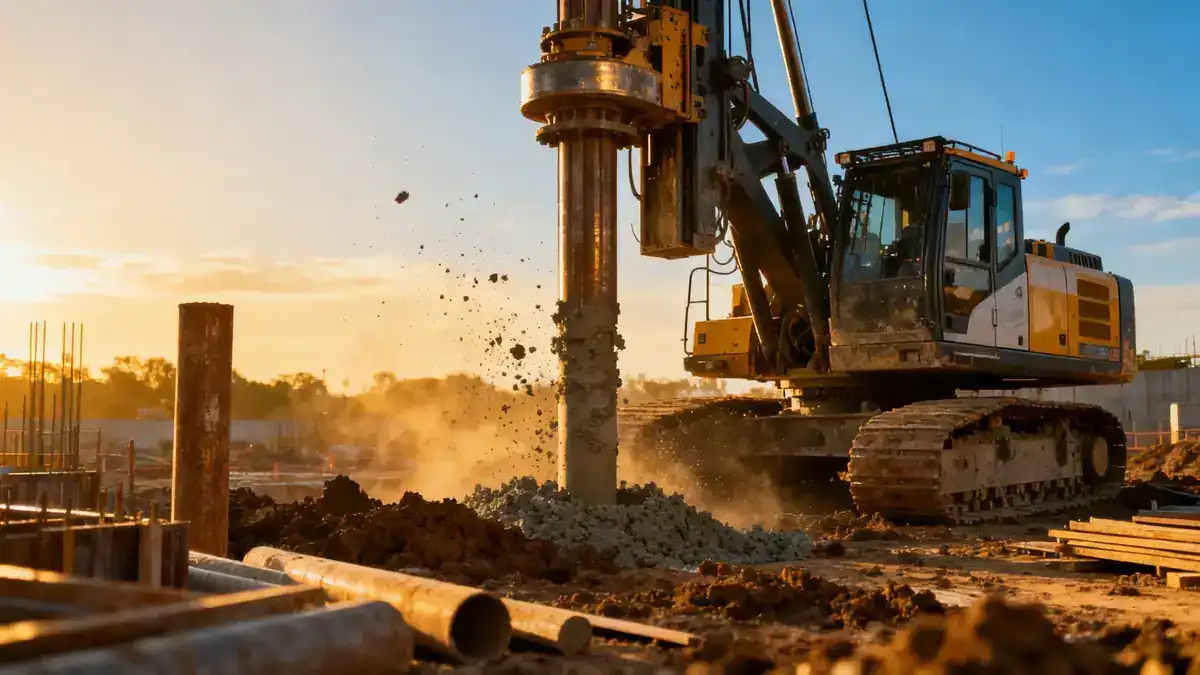
Methodology
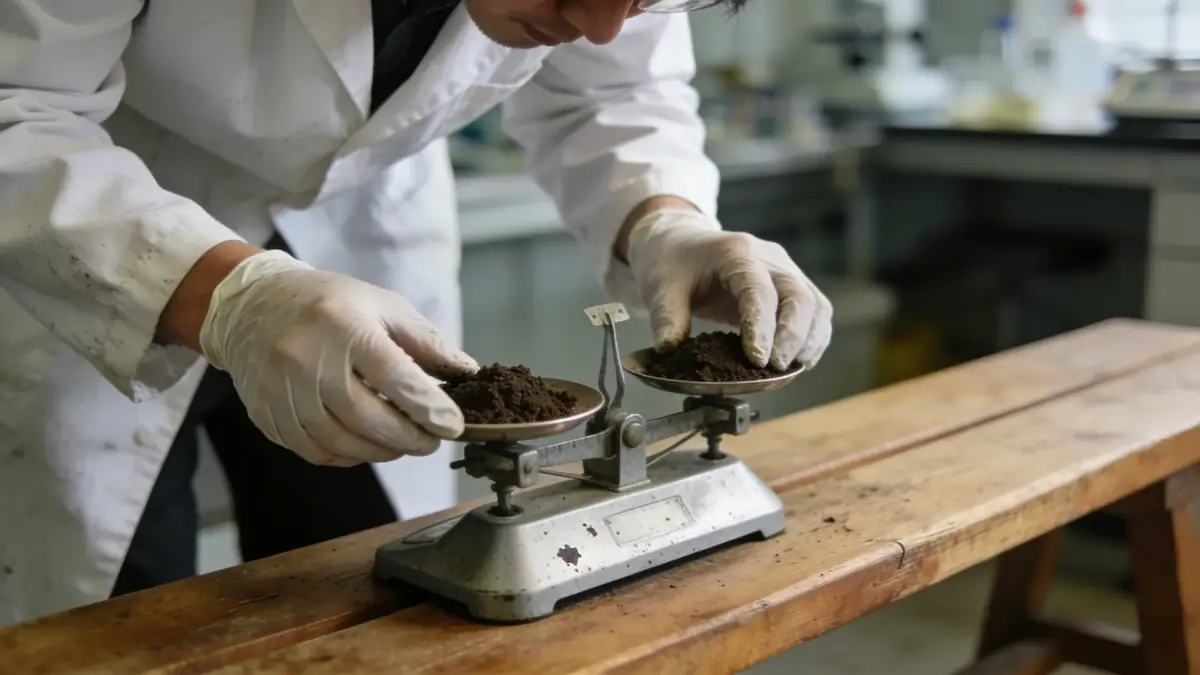
Our methodology for geotechnical engineering in Casper Wyoming integrates site-specific field investigations and laboratory testing. We conduct standard penetration tests (SPT) per ASTM D1586 at intervals of 1.0 to 1.5 meters to characterize soil strata. Soil samples are retrieved for laboratory classification, including grain size analysis (ASTM D6913) and Atterberg limits (ASTM D4318). Our team also performs spt boring to obtain undisturbed samples for strength and consolidation testing. Data analysis incorporates local seismic parameters and groundwater levels to develop foundation recommendations.
Reference Technical Parameters
| Parameter | Reference Value |
|---|---|
| Predominant soil type | Alluvial sands, gravels, and silty clays |
| Maximum seismic acceleration (PGA) | 0.15g (per ASCE 7, Site Class D) |
| Typical groundwater level | 2-5 m below ground surface |
| Bedrock depth | 10-25 m (shale/sandstone) |
| Typical N60 range (SPT) | 10-40 blows/0.3 m |
Local Considerations — Casper Wyoming
Casper's geology is characterized by alluvial deposits from the North Platte River, with interbedded sand, gravel, and clay layers. Groundwater levels fluctuate seasonally, typically encountered at depths of 2-5 meters. Seismic hazard is moderate, with a PGA of 0.15g per ASCE 7-16, requiring site-specific response analysis for critical structures. Older neighborhoods near the river may have loose sands susceptible to liquefaction, while areas on the bench exhibit stiff clays. Our team incorporates these factors into geotechnical engineering in Casper Wyoming, ensuring designs account for local variability. For specialized analysis, we offer soil mechanics laboratory testing to refine soil parameters.
Request a Quote
Our team reviews your project and issues an initial report at no cost.
Or write us directly at [email protected]
Services in Casper Wyoming
Applicable Standards
- ASTM D1586 (Standard Penetration Test)
- ASTM D6913 (Particle Size Distribution)
- ASCE 7-16 (Minimum Design Loads for Buildings)
- IBC 2021 (International Building Code)
Frequently Asked Questions
What soil types are common in Casper, Wyoming?
Casper's soils are primarily alluvial sands, gravels, and silty clays deposited by the North Platte River. Deeper layers include shale and sandstone bedrock. These materials require careful evaluation for foundation design due to variable density and plasticity.
What seismic design criteria apply in Casper?
Casper falls under Seismic Design Category C per ASCE 7-16, with a mapped maximum considered earthquake (MCE) spectral acceleration of 0.15g. Site-specific studies may be required for critical facilities to account for local soil amplification effects.
Are geotechnical investigations mandatory for new construction in Casper?
While not always required by local code for small residential projects, geotechnical investigations are strongly recommended for commercial, industrial, and multi-story buildings. IBC 2021 and local amendments often mandate subsurface exploration to ensure structural safety.