Methodology
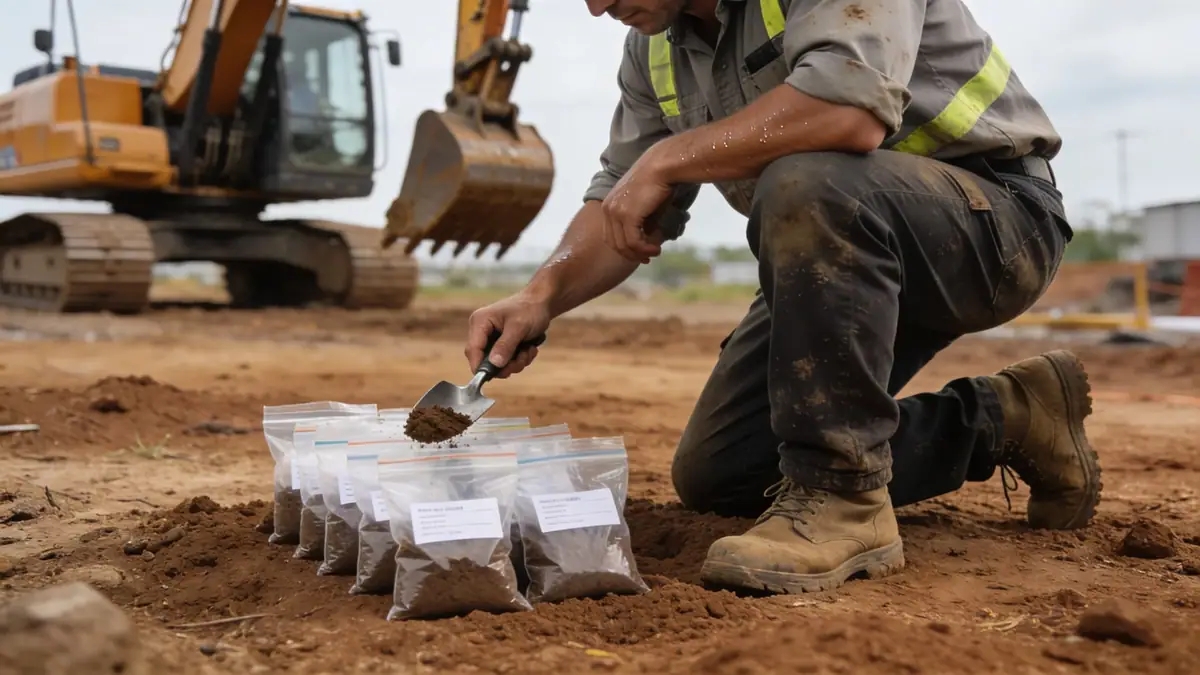
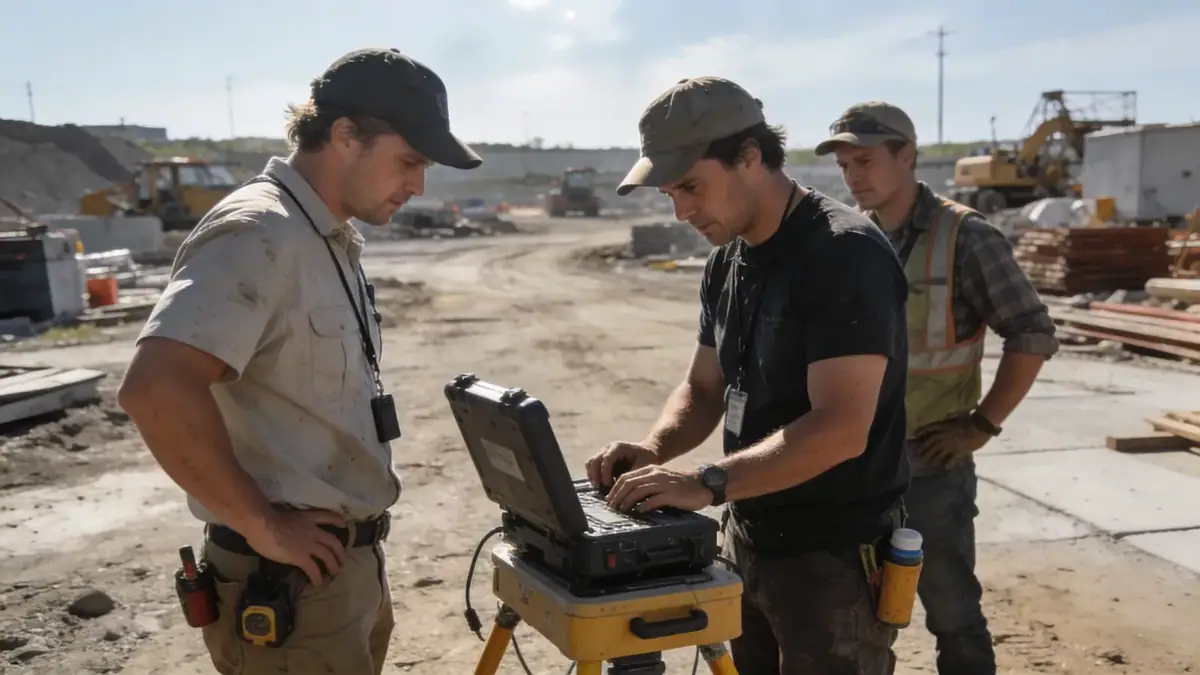
Our firm employs a systematic approach to geotechnical engineering in Tacoma, beginning with a thorough review of existing geological maps and historical data. We then conduct field investigations, including spt boring to obtain soil samples and measure resistance, supplemented by laboratory testing for classification and strength parameters. Analytical modeling is performed to evaluate bearing capacity, settlement, and slope stability, with particular attention to seismic demands per current codes. This methodology ensures that our recommendations are grounded in site-specific data and tailored to Tacoma's subsurface variability.
Reference Technical Parameters
| Parameter | Reference Value |
|---|---|
| Predominant Soil Type | Glacial till, alluvial sand, and clay |
| Maximum Seismic Acceleration (PGA) | 0.3g to 0.4g per ASCE 7-16 |
| Typical Groundwater Level | 5 to 15 feet below ground surface |
| Bedrock Depth | Variable; 50 to 200+ feet |
| Typical N60 Range (SPT) | 10 to 50 blows/ft |
Local Considerations — Tacoma
Tacoma's geotechnical considerations are shaped by its position within the Puget Lowland, with glacial deposits overlying Tertiary bedrock. The region is seismically active due to the Cascadia subduction zone and local crustal faults, requiring site-specific seismic hazard analyses per ASCE 7. Groundwater levels are typically shallow, especially near Commencement Bay and the Puyallup River, necessitating dewatering or drainage measures. Older fills and organic soils are common in industrial areas, posing settlement risks. Our firm integrates these factors into every project, leveraging local experience and tools like slope stability analysis for hillside developments.
Request a Quote
Our team reviews your project and issues an initial report at no cost.
Or write us directly at [email protected]
Services in Tacoma
Applicable Standards
- ASCE 7-16 Minimum Design Loads for Buildings
- IBC 2021 International Building Code
- ASTM D1586 Standard Test Method for SPT
- Washington State Department of Ecology Guidelines
- Local Tacoma Municipal Code for Grading and Excavation
Frequently Asked Questions
What soil conditions are typical for geotechnical engineering in Tacoma?
Tacoma's soils are predominantly glacial till, alluvial sands, and clays, with variable layers of silt and organic deposits. The subsurface can be heterogeneous, requiring careful investigation to characterize strength and compressibility. Groundwater is often encountered at shallow depths, influencing foundation and excavation design.
How does seismic activity affect geotechnical engineering in Tacoma?
Tacoma lies in a high-seismicity region due to the Cascadia subduction zone and crustal faults. Geotechnical evaluations must address liquefaction potential, lateral spreading, and seismic settlement. Site-specific response spectra are developed per ASCE 7 to ensure structures withstand design-level earthquakes.
Are geotechnical studies mandatory for construction in Tacoma?
Yes, the Tacoma Municipal Code and Washington State Building Code require geotechnical investigations for most new construction, additions, and grading activities. The scope depends on project size and site conditions, but typically includes subsurface exploration, laboratory testing, and foundation recommendations.