Methodology
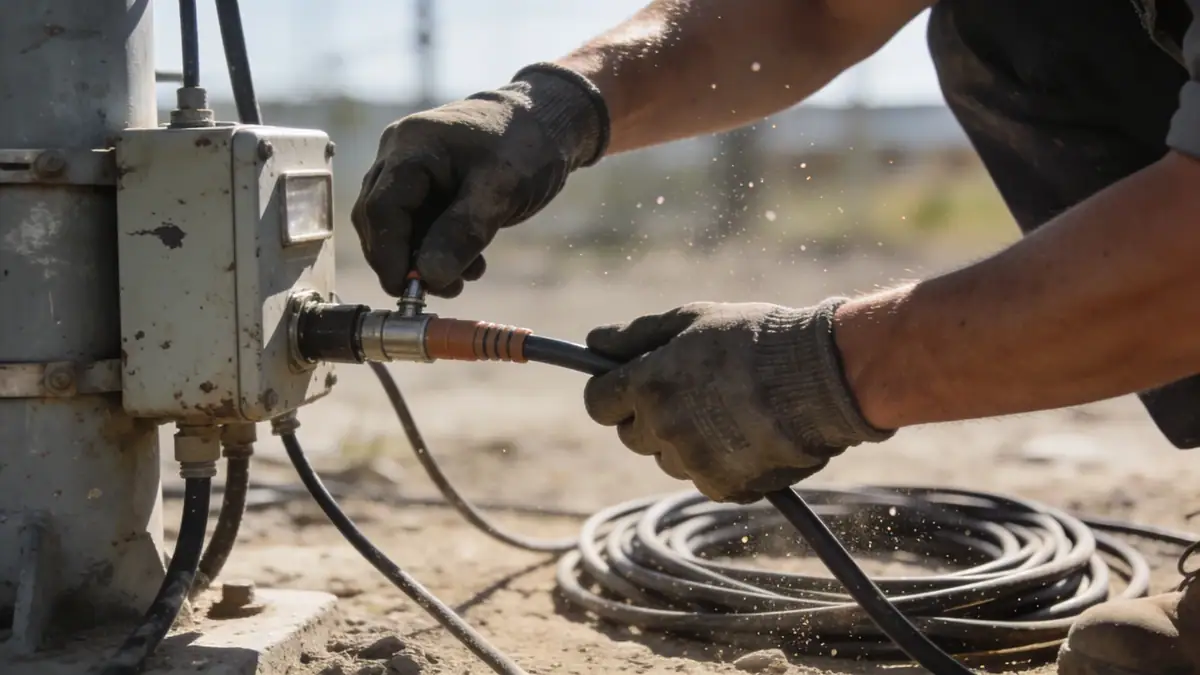
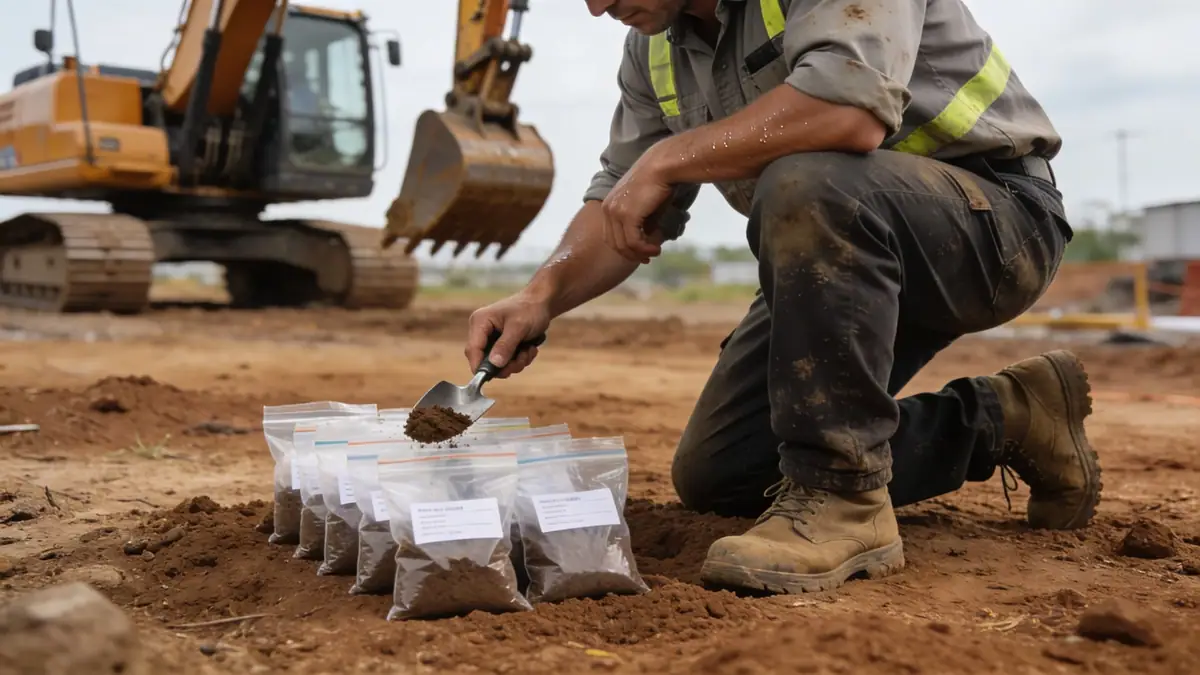
Our methodology for geotechnical engineering in Portland Oregon begins with a thorough review of existing geologic maps and borehole data from the Oregon Department of Geology and Mineral Industries. We then conduct field investigations, including standard penetration testing (SPT) per ASTM D1586, to characterize soil stratigraphy and strength. For soft soils common in the floodplain, we may employ cone penetration testing (CPT) for continuous profiling. Our laboratory program includes index properties, consolidation, and direct shear tests to support foundation and seismic design. All work adheres to the Oregon Structural Specialty Code and local jurisdiction requirements.
Reference Technical Parameters
| Parameter | Reference Value |
|---|---|
| Predominant soil type | Silty clay to sandy silt (Missoula flood deposits) |
| Maximum seismic acceleration (PGA) | 0.3 to 0.5 g (based on USGS seismic hazard maps) |
| Typical groundwater level | 3 to 10 m below ground surface |
| Bedrock depth | 10 to 50 m (Troutdale Formation basalt) |
| Typical N60 range | 5 to 30 blows/ft (variable with depth) |
Local Considerations — Portland Oregon
Portland Oregon’s geotechnical engineering must account for five key factors: (1) Missoula Flood silts with high compressibility and low strength, (2) shallow groundwater in the Willamette Valley, (3) high seismic hazard from the Cascadia subduction zone (M9+ events), (4) variable bedrock depth across the Portland Hills, and (5) liquefaction potential in loose saturated sands. For example, in the Pearl District, deep foundations are often required to bypass soft alluvium. Our team integrates these considerations into every project. For broader regional context, see our work in geotechnical engineering in Seattle.
Request a Quote
Our team reviews your project and issues an initial report at no cost.
Or write us directly at [email protected]
Services in Portland Oregon
Applicable Standards
- ASTM D1586 (Standard Penetration Test)
- ASCE 7-22 (Minimum Design Loads for Buildings)
- Oregon Structural Specialty Code (OSSC)
- USGS Seismic Hazard Maps for Oregon
- Portland City Code Title 24 (Building Regulations)
Frequently Asked Questions
What are the typical soil conditions in Portland Oregon?
Portland’s soils are dominated by Missoula Flood silts, which are fine-grained and compressible. Sandy and gravelly deposits exist along river terraces, while the Tualatin Mountains feature residual soils over basalt. Groundwater is generally shallow, requiring dewatering for excavations.
Is a geotechnical study required for building permits in Portland?
Yes, most new construction and significant alterations in Portland require a geotechnical report per the Oregon Structural Specialty Code. The report must address soil bearing capacity, settlement, seismic hazards, and groundwater conditions. Local jurisdictions may have additional requirements.
How does seismic risk affect geotechnical engineering in Portland?
Portland lies within the Cascadia subduction zone, capable of magnitude 9 earthquakes. Geotechnical engineers must evaluate liquefaction potential, lateral spreading, and site amplification. Design parameters include peak ground accelerations up to 0.5g, per ASCE 7 seismic maps.