Methodology
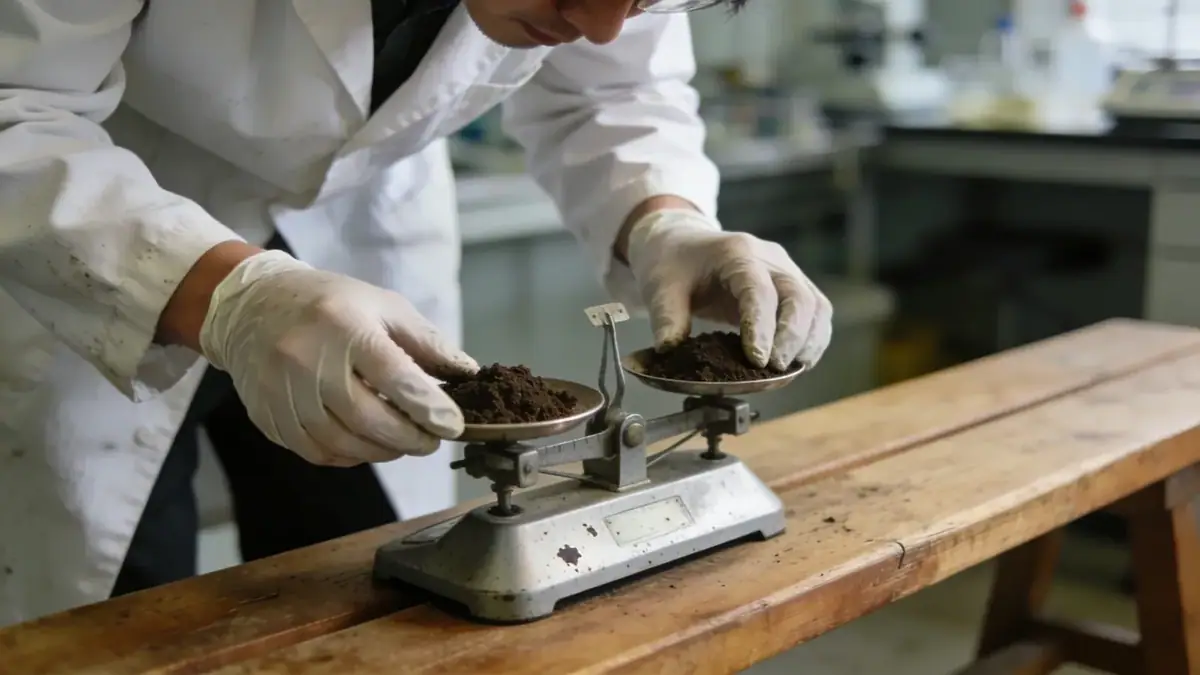
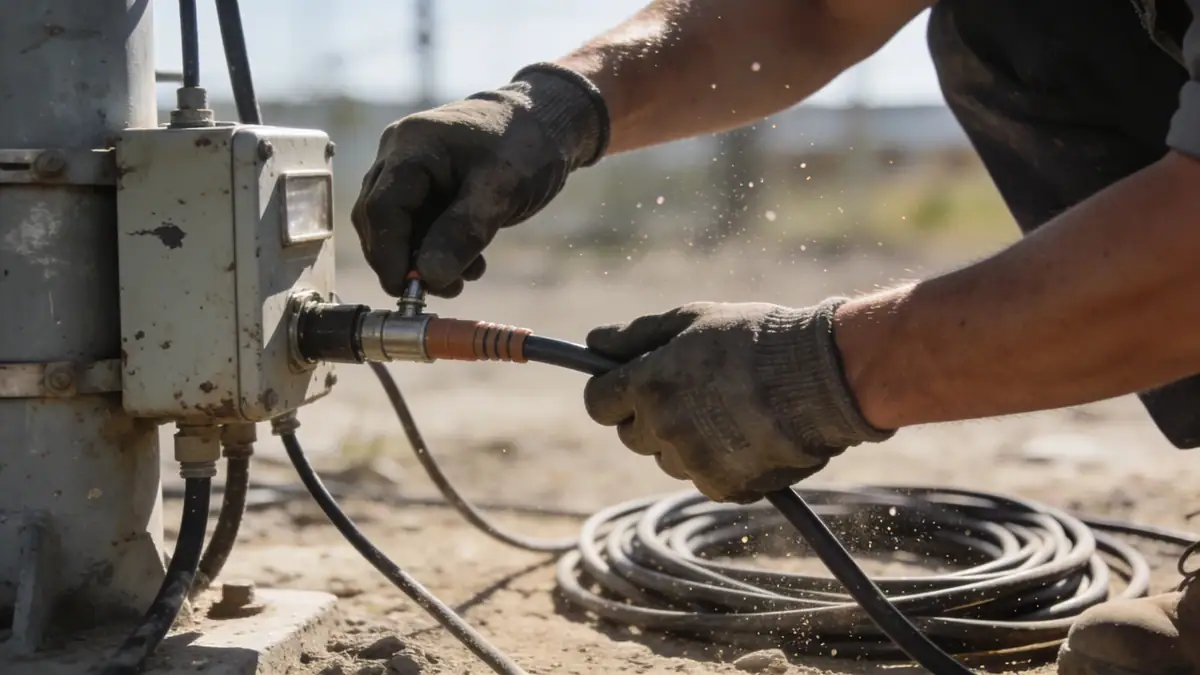
Our geotechnical engineering methodology in Boise Idaho begins with a thorough review of site geology and existing borehole data. We then conduct field investigations using techniques such as spt boring to characterize subsurface conditions. Laboratory testing follows, including soil classification and strength tests per ASTM D1586. Our team analyzes data to develop site-specific recommendations for foundations, earthworks, and seismic design. We adhere to IBC and ASCE 7 standards to mitigate risks associated with liquefaction and lateral spreading. Each project receives a detailed geotechnical report that guides design and construction, ensuring long-term stability and safety.
Reference Technical Parameters
| Parameter | Reference Value |
|---|---|
| Predominant soil type | Clayey silt and sand with gravel |
| Maximum seismic acceleration (PGA) | 0.2g to 0.3g (ASCE 7-16) |
| Typical groundwater level | 10–30 ft below ground surface |
| Bedrock depth | 50–100 ft (basalt and sedimentary rock) |
| Typical N60 range (SPT) | 10–50 blows/ft |
Local Considerations — Boise Idaho
Boise Idaho's geology is dominated by alluvial deposits from the Boise River and basalt flows from the Snake River Plain. Soil profiles often include interbedded sands, silts, and clays with varying densities. Shallow groundwater is common near the river, requiring dewatering considerations. Seismic hazard is moderate, with potential for liquefaction in loose saturated sands. The Foothills present colluvial soils and steep slopes, demanding careful slope stability analysis. Our team has addressed these challenges in numerous projects, including the Boise Airport expansion and mixed-use developments in the downtown core. For broader regional context, our geotechnical engineering en Seattle practice offers additional expertise.
Request a Quote
Our team reviews your project and issues an initial report at no cost.
Or write us directly at [email protected]
Services in Boise Idaho
Applicable Standards
- ASTM D1586 – Standard Test Method for Standard Penetration Test (SPT)
- ASCE 7-16 – Minimum Design Loads and Associated Criteria for Buildings and Other Structures
- IBC 2018 – International Building Code (adopted by Idaho)
- ASTM D2487 – Standard Practice for Classification of Soils for Engineering Purposes (Unified Soil Classification System)
- ASTM D422 – Standard Test Method for Particle-Size Analysis of Soils
Frequently Asked Questions
What are the typical soil conditions in Boise Idaho?
Boise soils are primarily alluvial and lacustrine deposits, including silty clays, sands, and gravels. The Boise River valley contains deeper alluvium, while the Foothills have shallow colluvium over basalt bedrock. Groundwater levels vary seasonally, influencing foundation design.
Does Boise Idaho require seismic geotechnical studies?
Yes. Boise is in Seismic Design Category C or D per IBC 2018, based on site-specific spectral accelerations. Geotechnical investigations must evaluate liquefaction potential, site class, and seismic settlement. Our reports comply with ASCE 7-16 for safe design.
Is a geotechnical report mandatory for construction in Boise?
While not always legally required for all projects, most commercial and multi-family developments in Boise Idaho require a geotechnical report. Local building officials often request it for permit approval, especially for sites with expansive soils or high seismic risk.