Methodology
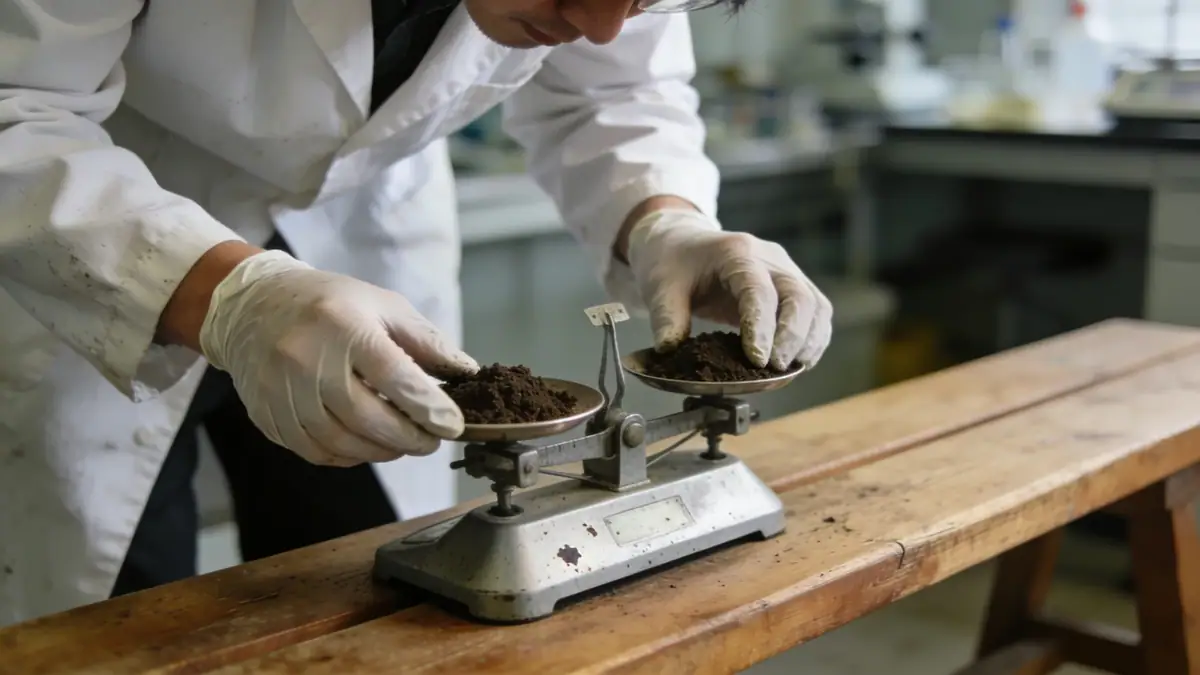
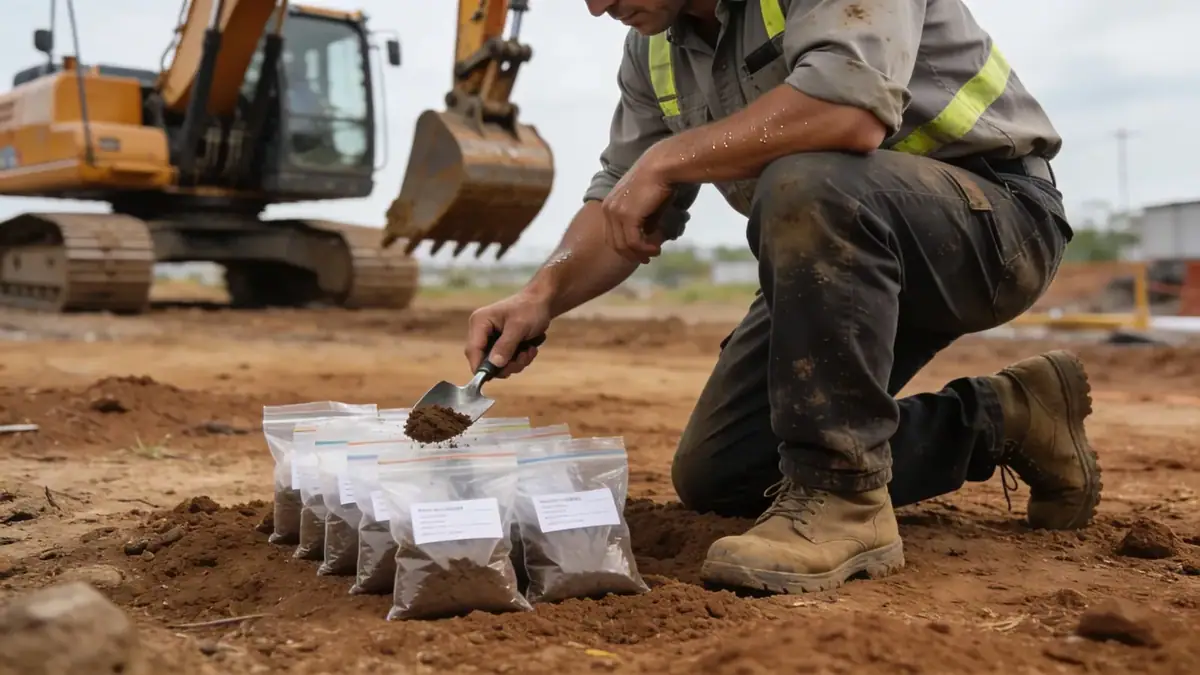
Our methodology in Washington DC follows a phased approach, starting with a comprehensive site reconnaissance and review of existing geological maps. We then conduct subsurface investigations using techniques such as spt boring to obtain soil samples and measure resistance. Laboratory testing, including index properties and strength tests, is performed per ASTM D1586 and ASTM D3080. Data are integrated into a geotechnical model that considers stratigraphy, groundwater, and seismic parameters. This model supports foundation design, slope stability assessments, and construction recommendations tailored to the local conditions.
Reference Technical Parameters
| Parameter | Reference Value |
|---|---|
| Predominant soil type | Sand, silt, clay (Atlantic Coastal Plain) |
| Typical groundwater depth | 2–8 m below grade |
| Maximum seismic acceleration (PGA) | 0.15–0.25 g (ASCE 7-16) |
| Bedrock depth | 50–200 m (crystalline basement) |
| Typical N60 range (SPT) | 5–30 blows/0.3 m |
Local Considerations — Washington Dc
Washington DC presents distinct geotechnical challenges: (1) the deep Coastal Plain deposits often require deep foundations or ground improvement; (2) a high water table in low-lying areas near the Potomac River demands dewatering and waterproofing; (3) moderate seismic hazard per ASCE 7-16 requires site-specific response analysis; (4) variable soil conditions across neighborhoods (e.g., clay-rich soils in Northwest vs. sandy fills in Southwest) necessitate detailed characterization; (5) historic fill and underground utilities in developed areas require careful utility coordination. Our team also leverages experience from our geotechnical engineering in Philadelphia hub to address similar urban challenges.
Request a Quote
Our team reviews your project and issues an initial report at no cost.
Or write us directly at [email protected]
Services in Washington Dc
Applicable Standards
- ASCE 7-16 (Minimum Design Loads for Buildings and Other Structures)
- ASTM D1586 (Standard Test Method for Standard Penetration Test)
- ASTM D3080 (Direct Shear Test)
- IBC 2021 (International Building Code)
- DC Construction Codes (Title 12A)
Frequently Asked Questions
What soil types are commonly found in Washington DC?
Washington DC is underlain by Atlantic Coastal Plain sediments, predominantly sands, silts, and clays. The Potomac Group includes varicolored clays and sands, while terrace deposits contain gravelly sands. Bedrock is deep, typically 50–200 m below surface.
Is seismic analysis required for geotechnical projects in Washington DC?
Yes, per ASCE 7-16, Washington DC has a moderate seismic hazard with PGA up to 0.25 g. Site-specific seismic analysis, including liquefaction assessment and response spectra, is required for important structures.
Are geotechnical studies mandatory for construction in Washington DC?
The DC Construction Codes require a geotechnical investigation for most building permits, especially for structures with deep foundations or in areas with known subsurface variability. A report documenting soil conditions and recommendations is typically needed.