Methodology
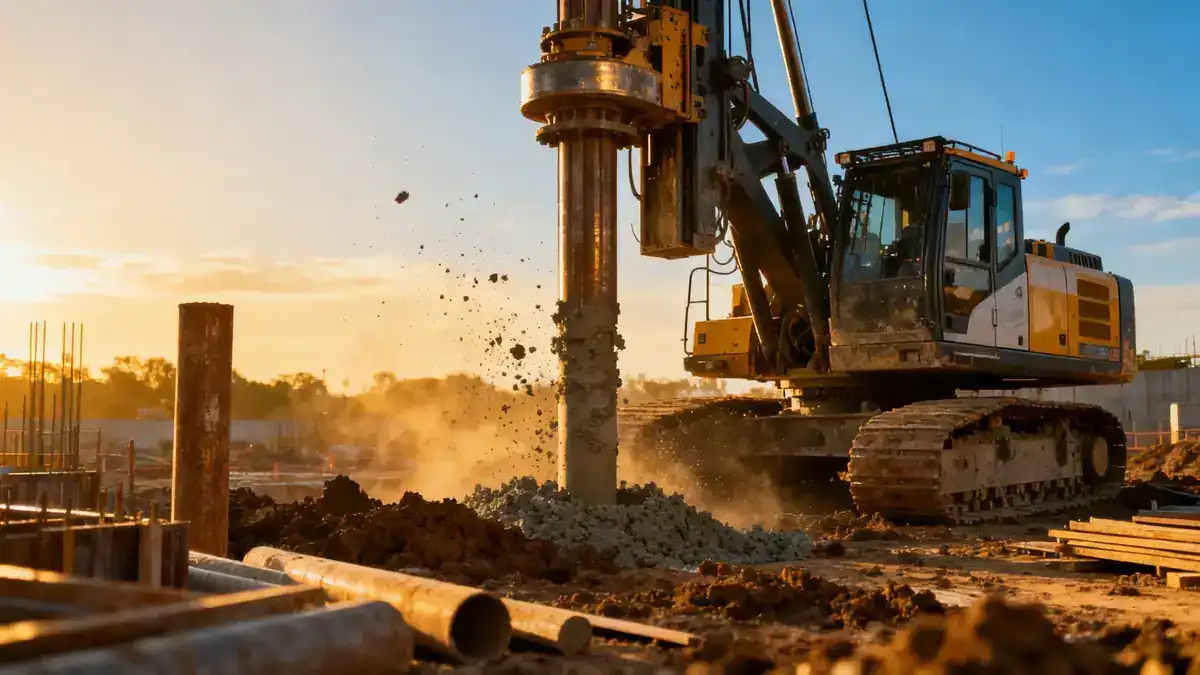
Our approach to geotechnical engineering in Visalia begins with a thorough review of existing geological maps and seismic hazard data. We then conduct field investigations, including spt boring to obtain soil samples and perform standard penetration tests at regular intervals. Laboratory testing on recovered samples follows ASTM D1586 procedures to determine soil classification, strength, and consolidation properties. This data is integrated with site-specific seismic parameters to evaluate liquefaction potential and bearing capacity. Our methodology ensures that all recommendations are tailored to the unique soil conditions of Visalia, providing clients with actionable insights for foundation design.
Reference Technical Parameters
| Parameter | Reference Value |
|---|---|
| Predominant soil type | Silty sand (SM) and lean clay (CL) |
| Maximum seismic acceleration (PGA) | 0.4g (ASCE 7-16) |
| Typical groundwater level | 3–6 m below grade |
| Bedrock depth | >100 m (deep alluvium) |
| Typical N60 range | 10–30 blows/ft |
Local Considerations — Visalia
Visalia's alluvial soils exhibit variable density and moisture content, requiring careful evaluation for foundation settlements. The high water table can necessitate dewatering for excavations deeper than 3 m. Seismic design must account for Site Class D (stiff soil) per ASCE 7, with a peak ground acceleration of 0.4g. Liquefaction potential is moderate to high in loose sands, particularly near the Kaweah River. Our firm has extensive experience with local conditions, and we recommend soil mechanics laboratory testing to accurately characterize these soils. For projects requiring regional context, refer to our geotechnical engineering en Los Angeles hub for broader California practices.
Request a Quote
Our team reviews your project and issues an initial report at no cost.
Or write us directly at [email protected]
Services in Visalia
Applicable Standards
- ASTM D1586 (Standard Penetration Test)
- ASCE 7-16 (Minimum Design Loads for Buildings)
- California Building Code (CBC 2022)
- ASTM D2487 (Unified Soil Classification System)
- ASTM D2435 (One-Dimensional Consolidation)
Frequently Asked Questions
What soil types are commonly encountered in Visalia?
Visalia's subsurface is dominated by alluvial deposits from the Sierra Nevada, consisting of silty sands (SM), lean clays (CL), and occasional gravel layers. These soils are typically medium stiff to dense, with variable groundwater levels between 3 and 6 meters.
Does Visalia have specific seismic design requirements?
Yes, Visalia is in Seismic Design Category D per ASCE 7-16, with a mapped PGA of 0.4g. The California Building Code mandates site-specific response spectra and liquefaction analysis for most structures, especially those on loose sands.
Are geotechnical investigations required for residential construction in Visalia?
While not always mandated for single-family homes, local building officials often require a geotechnical report for new foundations, particularly in areas with high groundwater or liquefaction risk. It is recommended to consult with our firm early in the design process.