Methodology
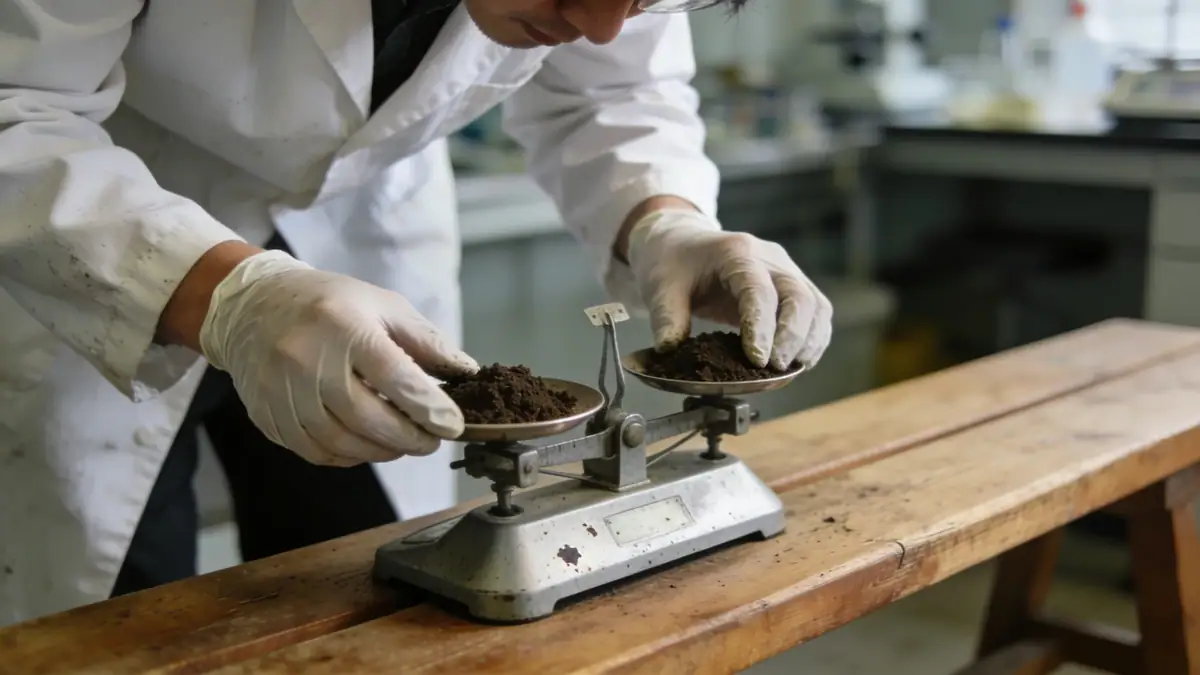
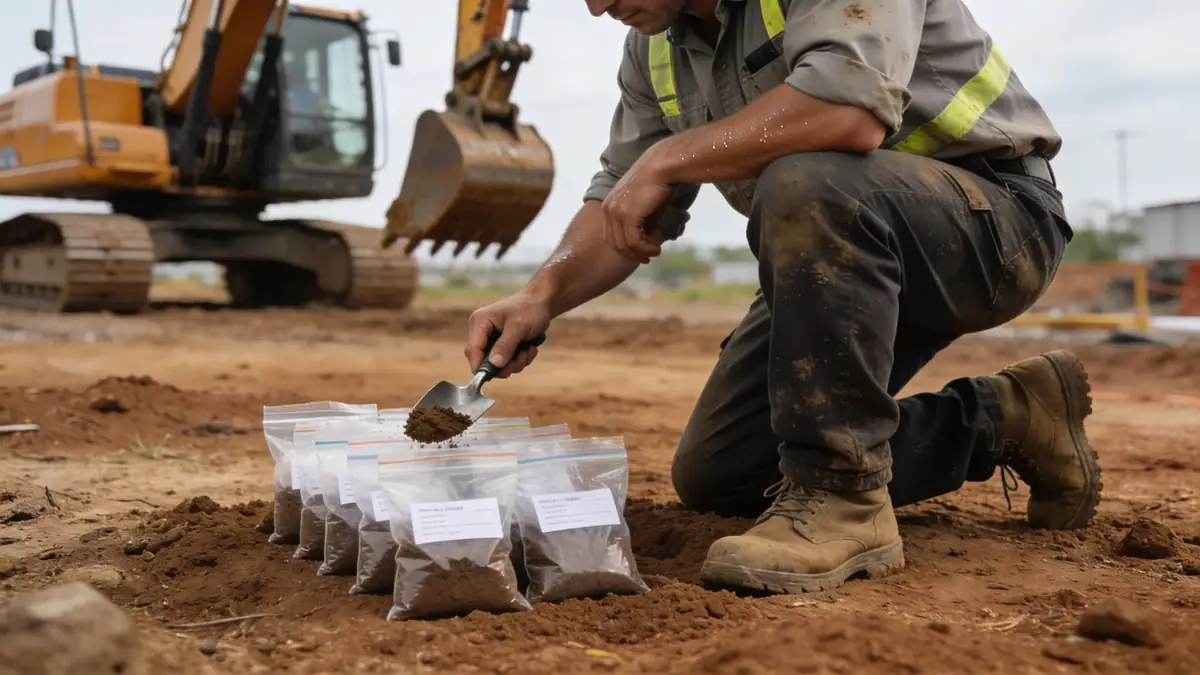
Our approach to geotechnical engineering in Tucson integrates field exploration, laboratory testing, and analytical modeling. We perform standard penetration tests (SPT) per ASTM D1586 at regular intervals to capture soil stratification and strength. Samples are analyzed in our soil mechanics laboratory for moisture content, Atterberg limits, and shear strength. This data supports slope stability analyses and retaining wall design, ensuring safe and economical solutions for every project.
Reference Technical Parameters
| Parameter | Reference Value |
|---|---|
| Predominant soil type | Alluvial sands, silts, and gravels; localized clay deposits |
| Maximum seismic acceleration (PGA) | 0.2–0.3 g per ASCE 7-16 |
| Typical groundwater level | 15–30 m in most areas; shallower near Santa Cruz River |
| Bedrock depth | 30–60 m in valley; shallower in foothills |
| Typical N60 range | 10–30 blows/ft for sands; 5–15 for clays |
Local Considerations — Tucson
Tucson's geology is dominated by basin-fill alluvium from the surrounding mountains. In the Catalina Foothills, cobbles and dense sands prevail, often requiring rock excavation. Downtown and south of the Santa Cruz River, expansive clays and shallow groundwater pose foundation challenges. Seismic site class typically ranges from C to D, influencing design spectra. For large-scale projects, our team coordinates with our geotechnical engineering in Phoenix office to leverage regional expertise. We also perform spt boring to characterize depth variability and soil mechanics laboratory tests to assess collapsible or expansive soils common in the area.
Request a Quote
Our team reviews your project and issues an initial report at no cost.
Or write us directly at [email protected]
Services in Tucson
Applicable Standards
- ASTM D1586 (Standard Penetration Test)
- ASCE 7-16 (Minimum Design Loads for Buildings)
- IBC 2021 (International Building Code)
- City of Tucson Grading and Drainage Ordinance
Frequently Asked Questions
What soil types are typical for geotechnical engineering in Tucson?
Tucson's soils are primarily alluvial sands, silts, and gravels derived from mountain erosion. In the Santa Cruz River valley, expansive clays and caliche layers are common. Collapsible soils may occur in certain areas, requiring careful laboratory testing per ASTM D6913 and D7928.
Is seismic design mandatory for projects in Tucson?
Yes, Tucson lies in a seismically active region. Per ASCE 7, seismic design is required for most structures. Site-specific ground motion analyses are recommended for critical facilities. Our team evaluates PGA and site class to ensure code compliance.
Do I need a geotechnical study for a residential project in Tucson?
While not always mandatory for single-family homes, we strongly recommend one. Variable soil conditions, such as expansive clays or shallow bedrock, can affect foundation performance. A study helps avoid costly repairs and ensures compliance with local grading ordinances.