Methodology
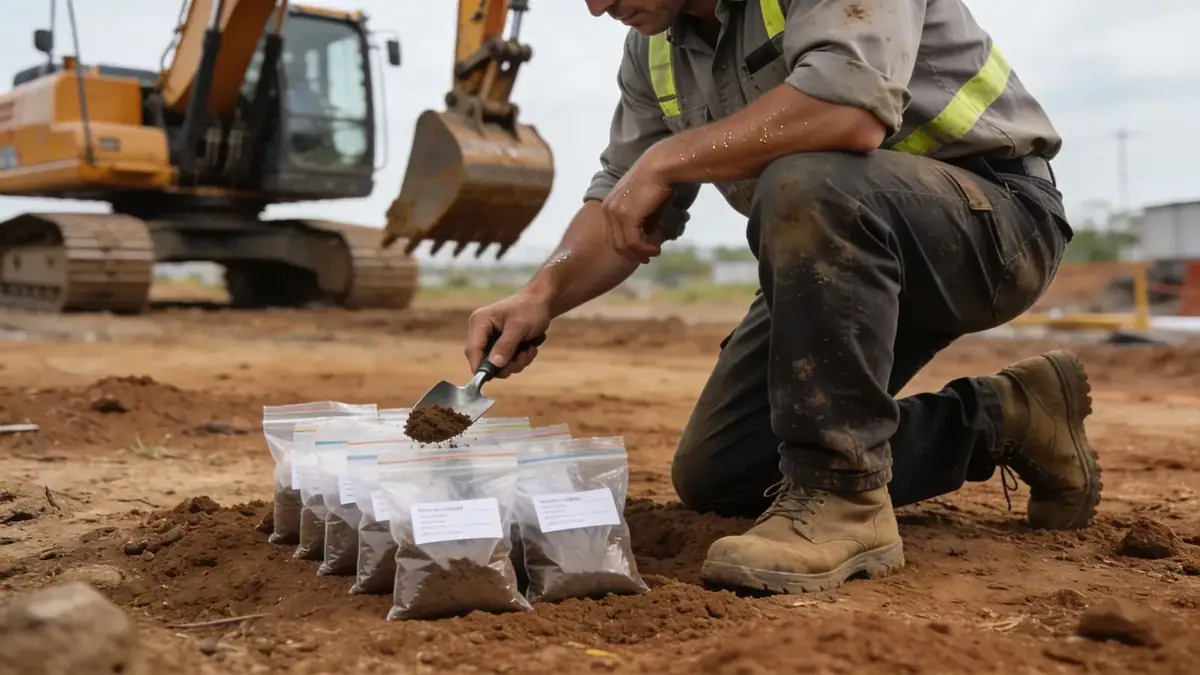
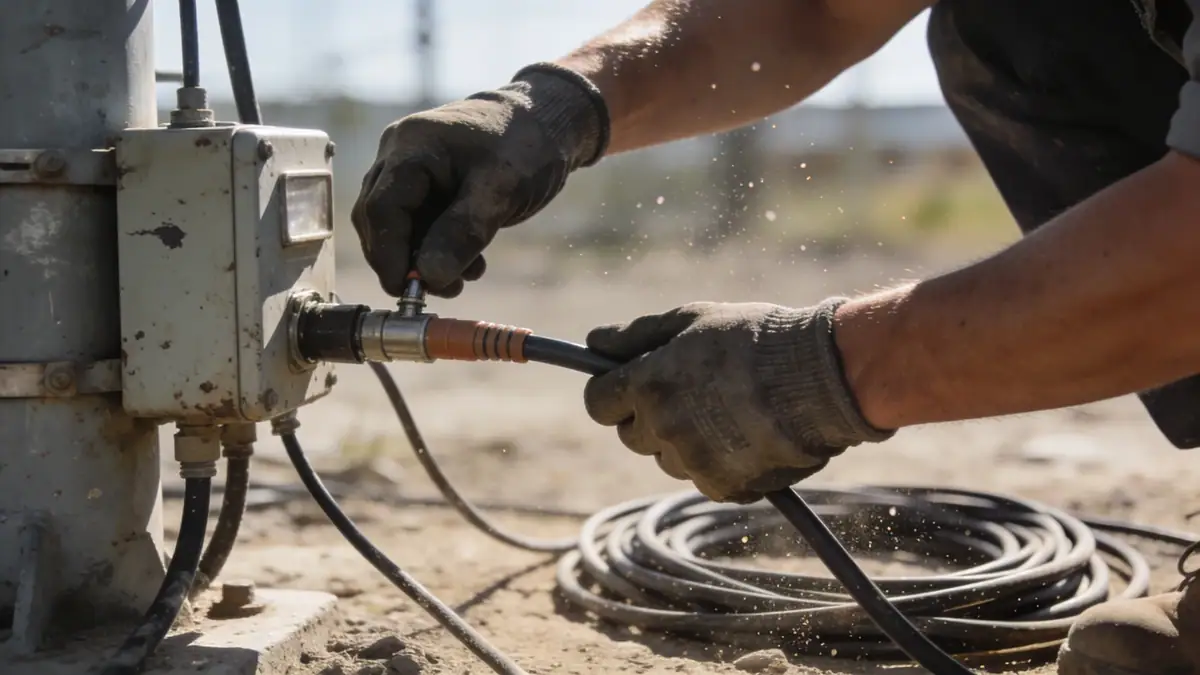
Our methodology for geotechnical engineering in Torrance begins with a thorough review of existing geologic maps and nearby project records. We then conduct subsurface explorations, including spt boring at strategic locations to characterize soil strata and groundwater conditions. Advanced laboratory testing on recovered samples provides parameters for settlement and bearing capacity analyses. All field and lab work follows ASTM D1586 for SPT and ASTM D6913 for grain size distribution. Our integrated approach ensures that design recommendations are tailored to the specific site conditions, reducing uncertainty and optimizing foundation performance.
Reference Technical Parameters
| Parameter | Reference Value |
|---|---|
| Predominant soil type | Alluvial sands, silts, and clays with interbedded gravels |
| Maximum seismic acceleration (PGA) | 0.4g to 0.6g (based on USGS seismic hazard maps) |
| Typical groundwater level | 3 to 6 meters below ground surface |
| Bedrock depth | 30 to 60 meters (deep, variable) |
| Typical N60 range | 4 to 30 blows per foot (soft to medium dense sands) |
Local Considerations — Torrance
Torrance lies within the Los Angeles Basin, underlain by deep alluvial deposits from the Los Angeles River and its tributaries. The soil profile typically consists of interbedded sands, silts, and clays, often with a shallow water table that can fluctuate seasonally. Seismic considerations are paramount: the city is in a high-hazard zone with potential for strong ground motion from nearby faults, including the Palos Verdes and Newport-Inglewood faults. Liquefaction susceptibility is moderate to high in areas with loose, saturated sands. Our team integrates these factors into every geotechnical study, referencing local building codes and the latest seismic design provisions. For broader regional context, see our geotechnical engineering services from Los Angeles. Additionally, we apply slope stability analyses where sites are adjacent to canyons or engineered fills.
Request a Quote
Our team reviews your project and issues an initial report at no cost.
Or write us directly at [email protected]
Services in Torrance
Applicable Standards
- ASTM D1586 (Standard Penetration Test)
- ASCE 7 (Minimum Design Loads and Associated Criteria for Buildings and Other Structures)
- California Building Code (CBC) Chapter 18
- City of Torrance Municipal Code – Grading and Excavation
Frequently Asked Questions
What types of soil are commonly found in Torrance?
Torrance's subsurface is dominated by alluvial deposits: interbedded sands, silts, and clays, often with gravel layers. These soils can vary significantly over short distances, making site-specific investigations essential for reliable foundation design.
How does seismic activity affect geotechnical design in Torrance?
Torrance is in a high seismic zone with PGA values up to 0.6g. Soils are susceptible to liquefaction and cyclic softening. Geotechnical reports must include site-specific seismic hazard analyses per ASCE 7 and CBC to mitigate these risks.
Are geotechnical studies mandatory for construction in Torrance?
Yes, the City of Torrance requires geotechnical reports for most new construction, additions, and grading projects. These studies ensure compliance with CBC Chapter 18 and local ordinances, protecting public safety and property.