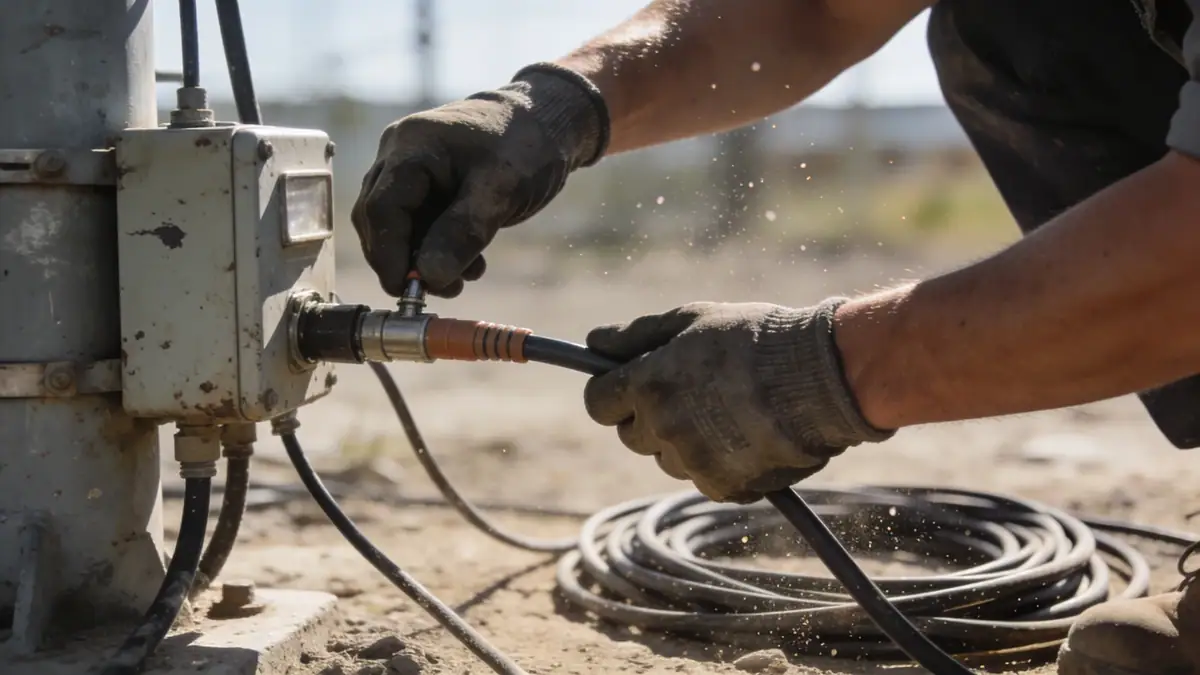
Methodology
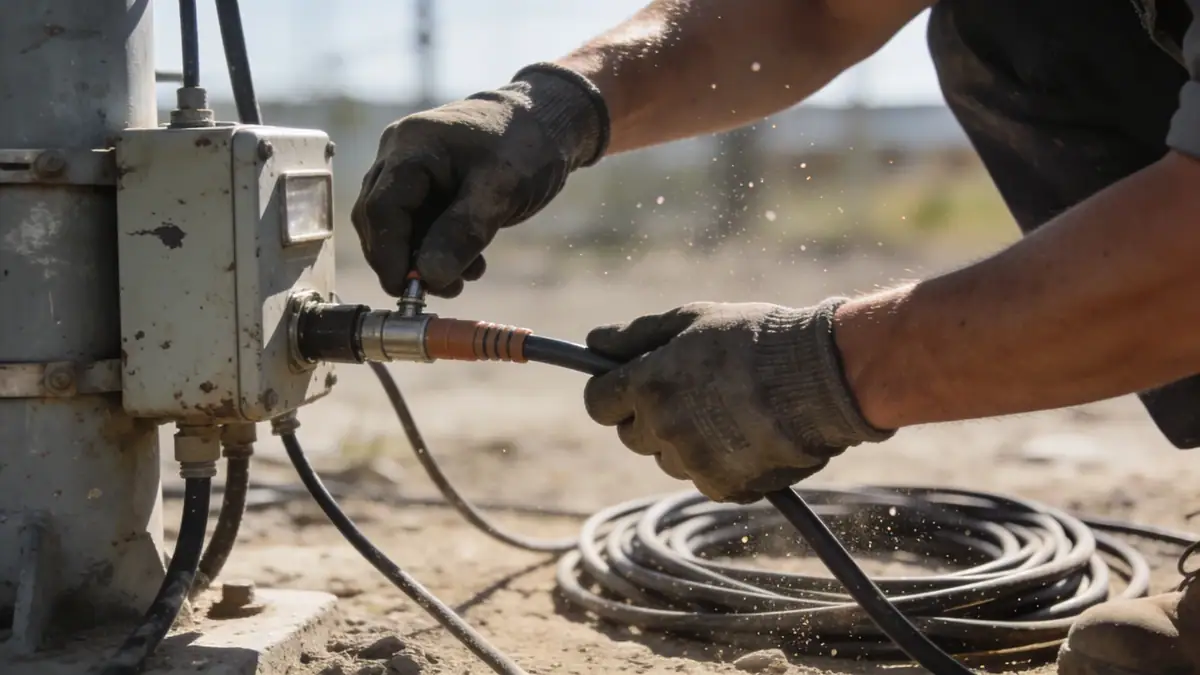
Our approach to geotechnical engineering in Santa Clarita integrates field exploration, laboratory testing, and site-specific analysis. For hillside sites, we emphasize detailed subsurface characterization using spt boring to capture variations in soil strength and bedrock depth. In valley areas, we focus on groundwater monitoring and soil compressibility. Our methodology follows ASTM D1586 for standard penetration tests and includes seismic hazard analysis per ASCE 7. This systematic process ensures reliable foundation recommendations and slope stability assessments tailored to Santa Clarita's unique geology.
Reference Technical Parameters
| Parameter | Reference Value |
|---|---|
| Predominant Soil Type | Alluvium (silty sand, clay) in valleys; colluvium/residual on slopes |
| Maximum Seismic Acceleration (PGA) | 0.4g to 0.6g (per seismic hazard maps) |
| Typical Groundwater Level | 5–15 m depth in valleys; variable in hillsides |
| Bedrock Depth | 10–30 m in valleys; 0–5 m on slopes |
| Typical N60 Range | 10–30 (valleys); 30–50 (dense colluvium/bedrock) |
Local Considerations — Santa Clarita
Santa Clarita's geology is shaped by its position along the San Gabriel Mountains. Valley areas feature deep alluvial deposits with occasional shallow groundwater, while hillside areas like Valencia and Castaic have shallow bedrock and colluvial soils prone to landslides. Seismic activity is a key consideration due to the nearby San Andreas Fault. Our geotechnical engineering in Santa Clarita addresses these factors through site-specific studies, including soil mechanics laboratory testing for expansive soils and seismic response analysis. Local experience is critical for navigating regulatory requirements and ensuring foundation stability across this varied terrain. For broader regional context, our team leverages expertise from our geotechnical engineering in Los Angeles office.
Request a Quote
Our team reviews your project and issues an initial report at no cost.
Or write us directly at [email protected]
Services in Santa Clarita
Applicable Standards
- ASTM D1586
- ASCE 7
- California Building Code (CBC)
Frequently Asked Questions
What types of soil are commonly found in Santa Clarita?
Santa Clarita's soils range from alluvial deposits (silts, sands, clays) in the valley floor to colluvial and residual soils on hillsides. Expansive clays are present in some areas, requiring specialized testing and foundation design.
How does seismic activity affect geotechnical engineering in Santa Clarita?
The region's proximity to the San Andreas Fault means high seismic hazard. Geotechnical engineering must account for peak ground accelerations up to 0.6g, liquefaction potential in sandy soils, and slope stability under seismic loading.
Are geotechnical investigations required for all construction projects in Santa Clarita?
Yes, most local jurisdictions require soil reports for new construction, especially in hillside areas. Investigations help determine foundation type, slope stability, and compliance with the California Building Code.