Methodology
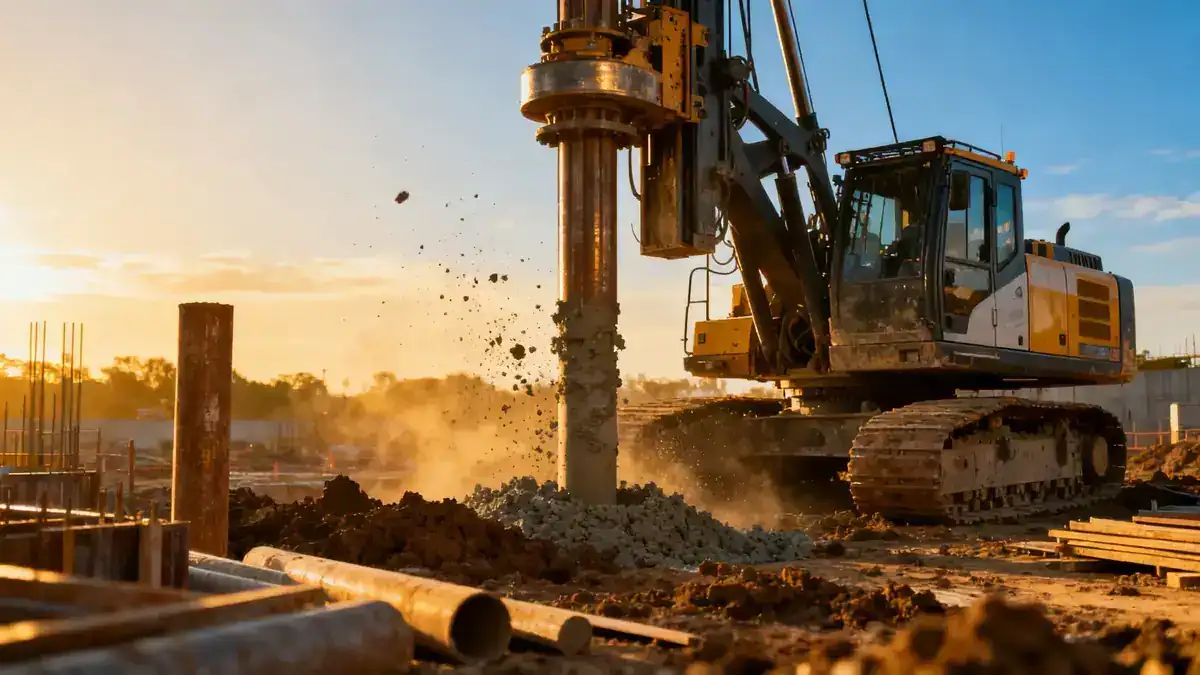
Our methodology for geotechnical engineering in San Francisco begins with a thorough review of existing geologic maps and historical data from the California Geological Survey. We then conduct subsurface investigations using methods such as spt boring in accordance with ASTM D1586 to assess soil density and strength. Field work is supplemented by laboratory testing of soil samples to determine index properties, shear strength, and consolidation characteristics. Seismic hazard analysis follows ASCE 7 guidelines to evaluate ground motion parameters, including peak ground acceleration and site class effects. All data is synthesized into a comprehensive geotechnical report that addresses foundation recommendations, slope stability, and earth retention requirements for safe and code-compliant design.
Reference Technical Parameters
| Parameter | Reference Value |
|---|---|
| Predominant soil type | Young Bay Mud, Colma Formation, Franciscan Complex |
| Maximum seismic acceleration (PGA) | 0.6g to 0.8g (ASCE 7 Site Class D) |
| Typical groundwater level | 2 to 10 feet below ground surface (varies seasonally) |
| Bedrock depth | 50 to 200 feet (Franciscan Complex) |
| Typical N60 range (SPT) | 5 to 50 blows/foot (soft to dense sands/clays) |
Local Considerations — San Francisco
San Francisco's geotechnical landscape is shaped by its hills, bay fill, and seismic setting. The city can be divided into five distinct zones: (1) bedrock hills (Nob Hill, Twin Peaks) with stable Franciscan Complex; (2) sandy marine terraces (Sunset, Richmond) with potential for liquefaction; (3) former marshlands (Mission Bay, SoMa) underlain by deep Young Bay Mud; (4) artificial fill along the Embarcadero and Treasure Island, prone to liquefaction and settlement; and (5) steep slopes in Pacific Heights and Potrero Hill, requiring careful slope stability analysis. Typical foundation solutions include deep piles through bay mud or post-tensioned slabs on stable sands. Our team has extensive experience addressing these conditions, and we also offer soil mechanics laboratory services to support local projects. For clients requiring services in Southern California, we provide geotechnical engineering en Los Angeles with the same rigorous standards.
Request a Quote
Our team reviews your project and issues an initial report at no cost.
Or write us directly at [email protected]
Services in San Francisco
Applicable Standards
- ASTM D1586 (Standard Penetration Test)
- ASCE 7 (Minimum Design Loads for Buildings)
- California Building Code (CBC) Chapter 18
- San Francisco Building Code (SFBC) – Seismic Design
- Eurocode 7 (for international projects)
Frequently Asked Questions
What are the typical soil types encountered in San Francisco?
San Francisco has three main soil types: Young Bay Mud (soft, compressible clay) in low-lying areas, Colma Formation (dense sand and gravel) on the western side, and Franciscan Complex (bedrock) in the hills. Each requires different foundation approaches.
Is a geotechnical study mandatory for construction in San Francisco?
Yes, the San Francisco Building Code requires a geotechnical investigation for most new construction and significant alterations, especially in seismic hazard zones. The study must address liquefaction, slope stability, and foundation design per ASCE 7 and CBC.
How does seismic activity affect geotechnical design in San Francisco?
San Francisco lies near the San Andreas and Hayward faults, resulting in high seismic risk. Geotechnical design must account for peak ground accelerations up to 0.8g, potential liquefaction in sandy soils, and lateral spreading near the bay. Site-specific response analysis is often required.