
Methodology
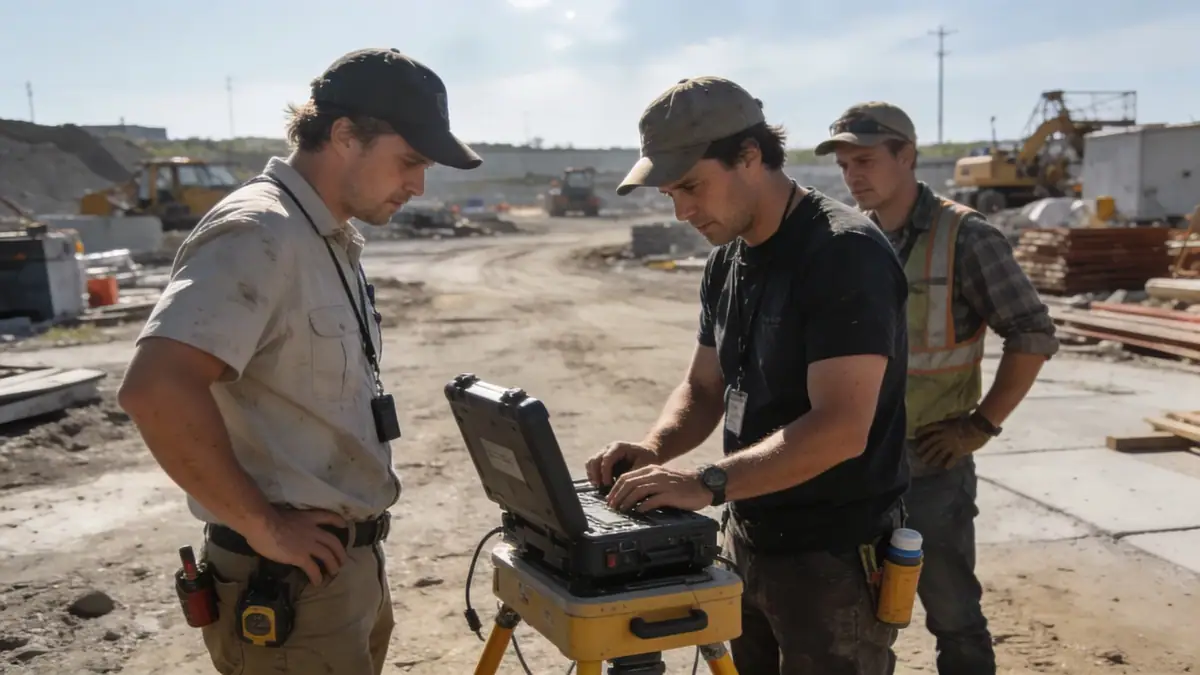
Our methodology for geotechnical engineering in San Antonio follows a systematic approach beginning with a thorough review of existing geologic maps and records. We then conduct field investigations, including spt boring to obtain soil samples and measure penetration resistance. Laboratory testing under ASTM D1586 and ASTM D4318 standards provides key parameters such as grain size distribution and Atterberg limits. Seismic hazard analysis per ASCE 7 is performed for projects requiring earthquake considerations. All data are integrated into a geotechnical report that includes foundation recommendations, slope stability evaluations, and construction considerations. Our approach ensures compliance with local building codes and regulatory requirements.
Reference Technical Parameters
| Parameter | Reference Value |
|---|---|
| Predominant soil type | Clay and limestone residuum |
| Maximum seismic acceleration (PGA) | 0.15g (ASCE 7-16) |
| Typical groundwater level | 5–15 m depth |
| Bedrock depth | 1–10 m (Edwards Limestone) |
| Typical N60 range | 10–50 blows/0.3 m |
Local Considerations — San Antonio
San Antonio lies within the Edwards Plateau, underlain by Cretaceous limestone with interbedded marl and clay. The northern area features shallow bedrock and expansive clay soils, posing risks for foundation movement. Southern zones have deeper alluvial deposits and higher groundwater, requiring dewatering considerations. Seismic hazard is moderate (PGA ~0.15g). Our firm integrates these factors into every project, often recommending deep foundations in the north and slab-on-grade with moisture control in the south. For broader regional context, we coordinate with our geotechnical engineering en Houston team to leverage statewide expertise.
Request a Quote
Our team reviews your project and issues an initial report at no cost.
Or write us directly at [email protected]
Services in San Antonio
Applicable Standards
- ASTM D1586 (Standard Penetration Test)
- ASCE 7 (Minimum Design Loads for Buildings)
- IBC (International Building Code)
- City of San Antonio Building Code
Frequently Asked Questions
What are the typical soil conditions in San Antonio?
Soils in San Antonio vary from thin, rocky soils over limestone in the north to deep clay and alluvial deposits in the south. Expansive clays are common, requiring careful foundation design to mitigate swelling and shrinkage.
Does San Antonio have seismic design requirements?
Yes, San Antonio is in Seismic Design Category B per ASCE 7, with a maximum considered earthquake spectral response acceleration of 0.15g. Structures must comply with IBC seismic provisions, though the risk is moderate compared to coastal Texas.
Are geotechnical studies mandatory for construction in San Antonio?
While not universally mandated, most commercial and multi-family projects require a geotechnical report for building permit approval. Single-family homes often benefit from soil testing to address expansive clay risks, though it is not always legally required.