Methodology
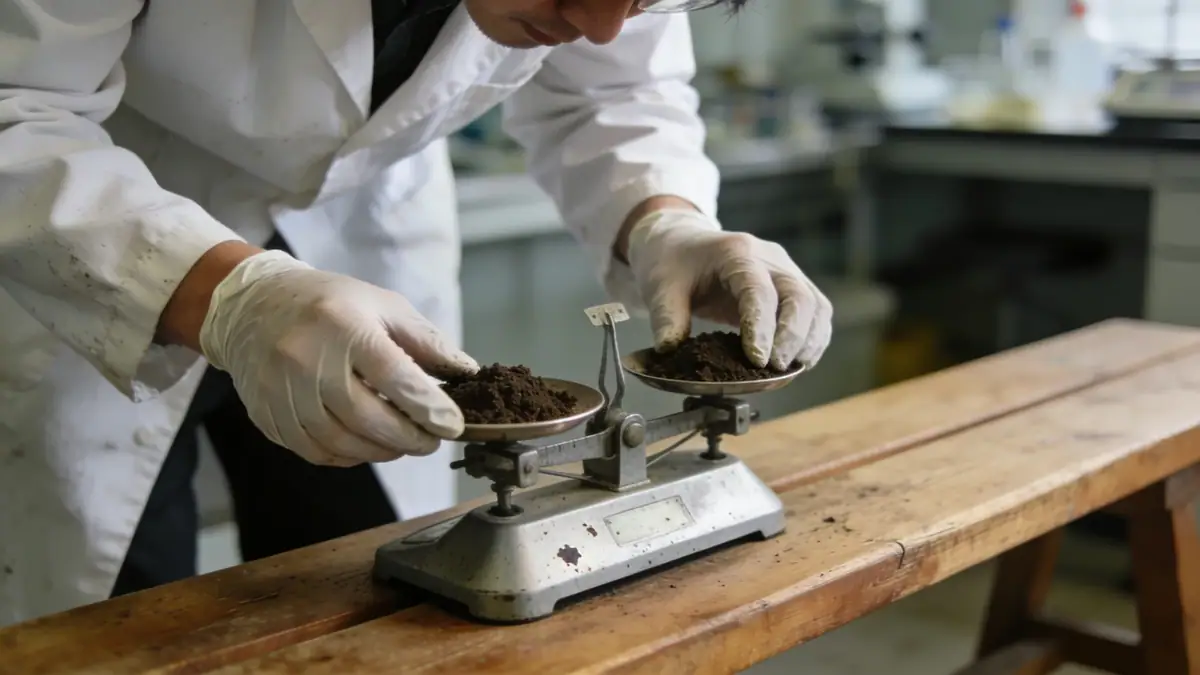
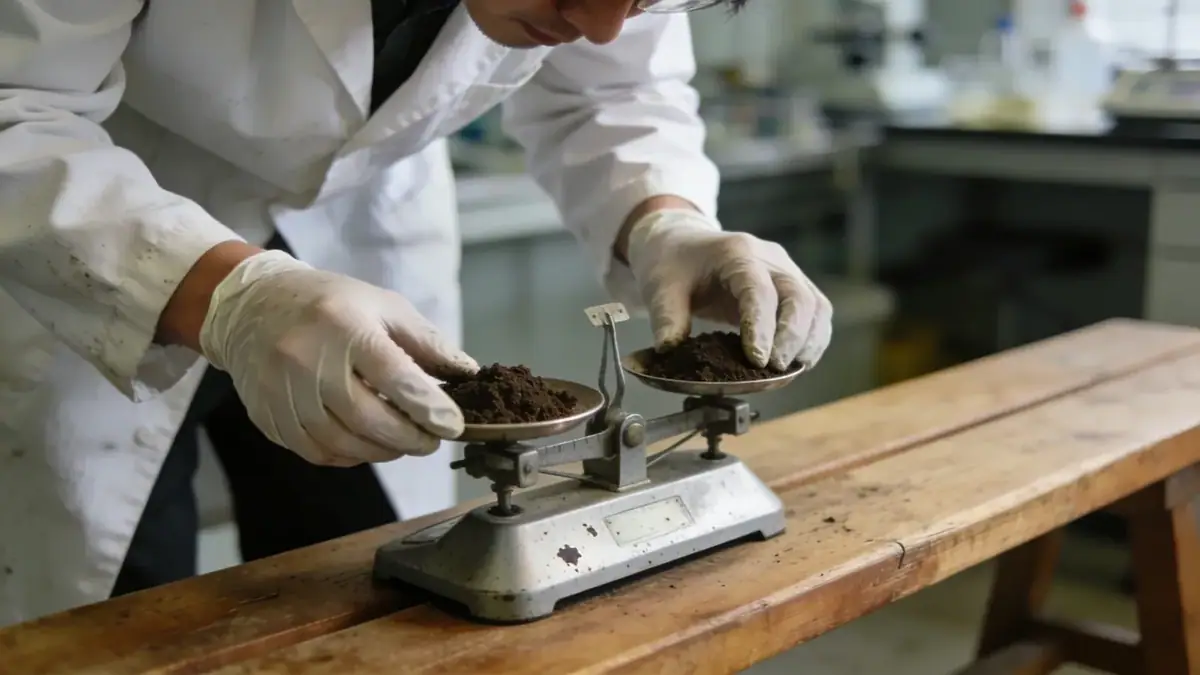
Our methodology for geotechnical engineering in Sacramento follows a systematic approach. We begin with a thorough review of existing geologic maps and historical data, then conduct field investigations using methods such as spt boring to characterize subsurface conditions. Samples are retrieved at intervals of 1.0 to 1.5 meters per ASTM D1586, and we perform standard penetration tests to measure N60 values. Laboratory testing on retrieved samples includes grain size analysis, Atterberg limits, and direct shear tests to classify soils and determine shear strength parameters. All data is interpreted with consideration of Sacramento's seismic environment, including fault rupture and liquefaction potential. Our reports provide clear recommendations for foundation design, slope stability, and earthwork.
Reference Technical Parameters
| Parameter | Reference Value |
|---|---|
| Predominant soil type | Alluvial sand, silt, and clay with gravel layers |
| Maximum seismic acceleration (PGA) | 0.4g (ASCE 7-16, Site Class D) |
| Typical groundwater level | 3 to 10 meters below ground surface |
| Bedrock depth | Greater than 30 meters in most areas |
| Typical N60 range | 10 to 40 blows per foot (varies with depth) |
Local Considerations — Sacramento
Sacramento's geology is dominated by alluvial deposits from the American and Sacramento Rivers, leading to interbedded sands, silts, and clays. Groundwater levels fluctuate with seasonal precipitation and river stages, often requiring dewatering during excavation. The region is seismically active due to nearby faults such as the Foothills Fault System, with a PGA of 0.4g per ASCE 7. Liquefaction potential is moderate in areas with loose, saturated sands, particularly near rivers. Older neighborhoods may have undocumented fill, while newer developments often require deep foundations. Our team has extensive experience navigating these conditions. For broader regional context, see our work in geotechnical engineering en Los Angeles.
Request a Quote
Our team reviews your project and issues an initial report at no cost.
Or write us directly at [email protected]
Services in Sacramento
Applicable Standards
- ASTM D1586
- ASCE 7-16
- California Building Code (CBC)
- Sacramento County Grading Ordinance
- Eurocode 7 (reference)
Frequently Asked Questions
What soil types are typical in Sacramento?
Sacramento soils are primarily alluvial, consisting of interbedded sands, silts, and clays. These deposits originate from the American and Sacramento Rivers, resulting in variable density and compressibility. Understanding these conditions is critical for foundation design.
How does seismic activity affect geotechnical engineering in Sacramento?
Sacramento lies in a seismically active region with a peak ground acceleration of 0.4g. Soil liquefaction and fault rupture are key concerns. Our analyses incorporate site-specific seismic parameters per ASCE 7 to design foundations that withstand earthquake forces.
Are geotechnical studies mandatory for construction in Sacramento?
Yes, the California Building Code requires a geotechnical investigation for most new structures, especially in areas with poor soil or high seismic risk. Local ordinances also mandate reports for grading and foundation permits. We ensure compliance with all regulations.