Methodology
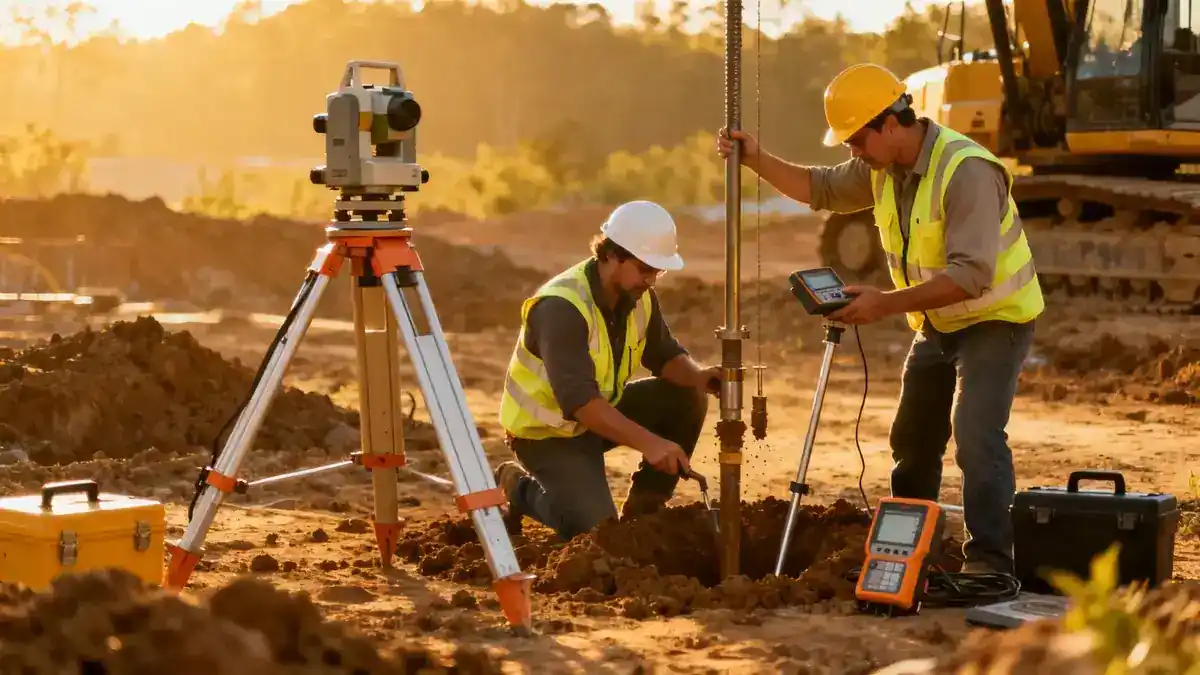
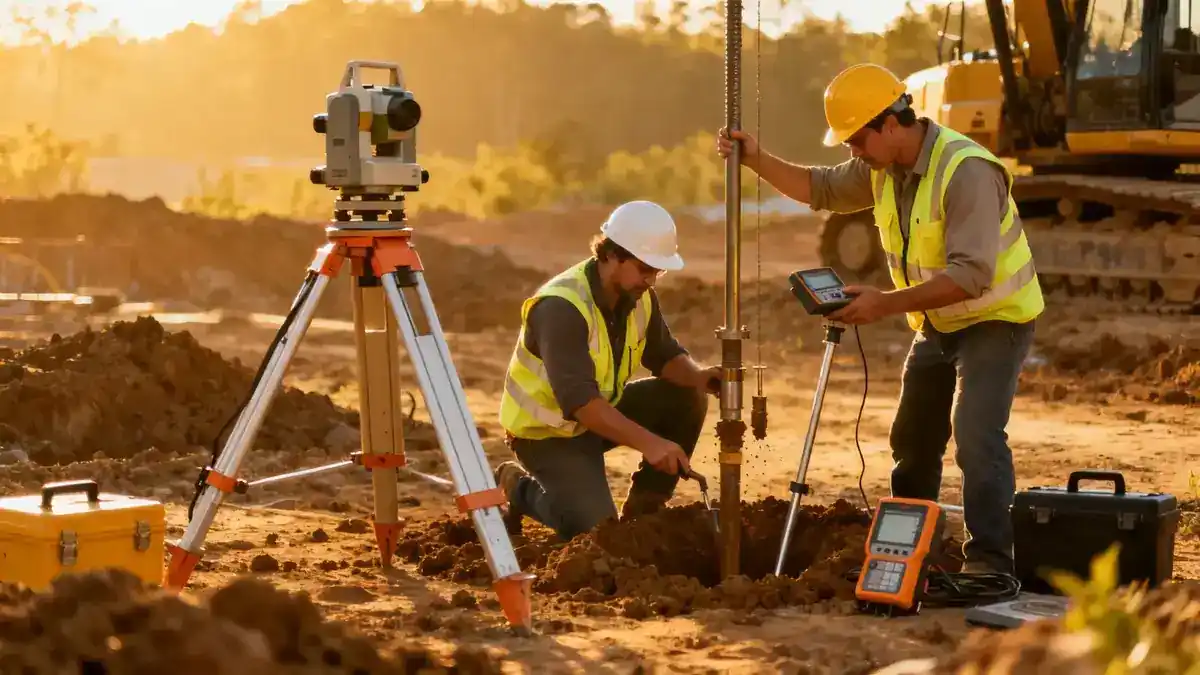
Our approach to geotechnical engineering in Rochester integrates field exploration, laboratory testing, and advanced analysis. We typically begin with spt boring using ASTM D1586 methods to assess soil stratification and strength. Samples are retrieved at 1.0 to 1.5 m intervals to capture vertical variability. In sensitive areas near the Genesee River or lakefront, we supplement with cone penetration testing for continuous profiling. Laboratory tests, including grain size distribution (ASTM D6913) and Atterberg limits, classify soils and inform bearing capacity calculations. All data is synthesized into a comprehensive report that addresses foundation recommendations, slope stability, and earth retention, tailored to Rochester's regulatory framework.
Reference Technical Parameters
| Parameter | Reference Value |
|---|---|
| Predominant soil type | Glacial till and lacustrine clay/silt |
| Maximum seismic acceleration (PGA) | 0.15–0.25 g (ASCE 7-22) |
| Typical groundwater level | 1.5–4.5 m below surface |
| Bedrock depth | 10–30 m (shallow in southeast Rochester) |
| Typical N60 range (SPT) | 4–20 blows/0.3 m in till; 2–8 in clay |
Local Considerations — Rochester
Rochester's geology is dominated by glacial till, lacustrine clay, and silt deposited by ancient Lake Iroquois. The water table is generally high, especially near the lake and rivers, requiring dewatering or waterproofing in excavations. Seismic hazard is moderate, with PGA values up to 0.25g per ASCE 7-22, necessitating site-specific response analysis. The city's urban renewal projects often encounter buried utilities and old foundations, complicating subsurface exploration. Our team coordinates with local agencies to address these challenges. For broader context, our geotechnical engineering en Philadelphia office applies similar rigorous methods to complex urban environments.
Request a Quote
Our team reviews your project and issues an initial report at no cost.
Or write us directly at [email protected]
Services in Rochester
Applicable Standards
- ASTM D1586 (Standard Penetration Test)
- ASCE 7-22 (Minimum Design Loads for Buildings)
- New York State Building Code
- ASTM D2487 (Unified Soil Classification System)
Frequently Asked Questions
What soil types are most common in Rochester?
Rochester's subsurface primarily consists of glacial till (a dense mixture of clay, silt, sand, and gravel) and lacustrine deposits (soft clays and silts). These soils vary significantly in thickness and strength, requiring site-specific investigation for reliable foundation design.
Is seismic design required for buildings in Rochester?
Yes, Rochester is in a moderate seismic zone per ASCE 7-22, with mapped PGA values up to 0.25g. Site class and soil amplification effects must be considered. Geotechnical reports should include seismic site classification and liquefaction potential analysis for critical structures.
Are geotechnical studies mandatory for residential projects in Rochester?
The New York State Building Code requires a geotechnical investigation for most new structures, especially those with deep foundations or in areas with known soil issues. Local municipalities may have additional requirements. Our team ensures compliance with all relevant regulations.