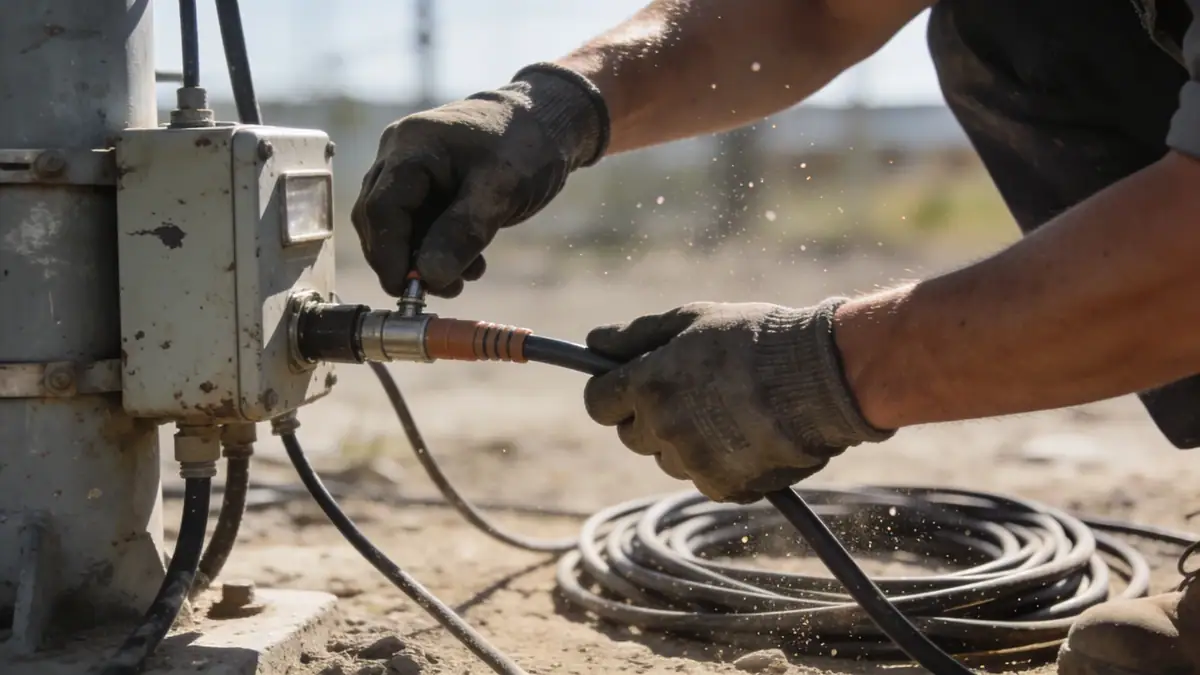
Methodology
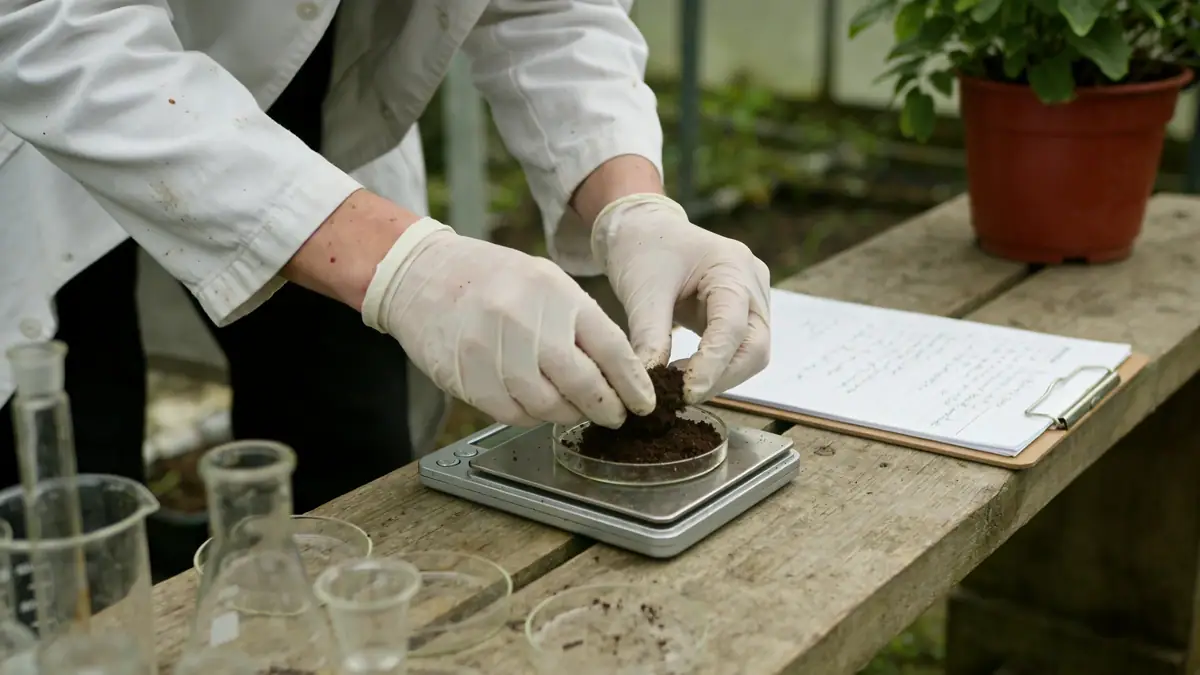
Our methodology for geotechnical engineering in Raleigh integrates site-specific exploration with advanced laboratory testing. We perform spt boring to obtain soil samples and measure N-values at 1.5 m intervals per ASTM D1586, supplemented by Cone Penetration Testing (CPT) for continuous profiles. Soil mechanics laboratory tests include sieve and hydrometer analysis (ASTM D6913, D7928), Atterberg limits, and Proctor compaction (ASTM D698). For slope stability and retaining wall design, we conduct direct shear and consolidation tests. This comprehensive approach ensures accurate characterization of Raleigh's Piedmont soils.
Reference Technical Parameters
| Parameter | Reference Value |
|---|---|
| Predominant soil type | Residual sandy silt and clay (Piedmont saprolite) |
| Maximum seismic acceleration (PGA) | 0.15 g (ASCE 7-16, Site Class C/D) |
| Typical groundwater level | 3–6 m below grade, seasonal variation |
| Bedrock depth | 5–15 m (deepening westward) |
| Typical N60 range (SPT) | 10–30 blows/ft (saprolite), 30–50 (weathered rock) |
Local Considerations — Raleigh
Raleigh's geology is dominated by Piedmont residual soils, which are highly variable due to differential weathering of underlying granite and gneiss. Shallow groundwater levels, particularly near Crabtree Creek and the Neuse River, require careful dewatering planning. Seismic site classification per ASCE 7 typically falls into Site Class C or D, with peak ground accelerations of 0.15 g. Our team understands the contrast between downtown's deeper soils and suburban areas with shallow bedrock, advising on foundation options to mitigate differential settlement. For complex projects, our soil mechanics laboratory provides site-specific strength and consolidation parameters. For broader regional context, our geotechnical engineering in Philadelphia office applies similar methodologies to varied subsurface conditions.
Request a Quote
Our team reviews your project and issues an initial report at no cost.
Or write us directly at [email protected]
Services in Raleigh
Applicable Standards
- ASTM D1586 (Standard Penetration Test)
- ASCE 7-16 (Minimum Design Loads for Buildings)
- IBC 2021 (International Building Code)
- NC Building Code (based on IBC)
- ASTM D2487 (Unified Soil Classification System)
Frequently Asked Questions
What are the typical soil conditions in Raleigh?
Raleigh's soils are primarily residual from weathered granite and gneiss, forming sandy silts, clays, and saprolite. The depth to bedrock varies from 5 to 15 m, and groundwater is typically encountered at 3–6 m. These conditions influence foundation design and require site-specific testing.
Is seismic design required in Raleigh?
Yes, per ASCE 7 and the NC Building Code, seismic design is required. The peak ground acceleration (PGA) for Raleigh is approximately 0.15 g, corresponding to Seismic Design Category B or C depending on site class. Our geotechnical reports provide site-specific seismic parameters.
Are geotechnical studies mandatory for construction in Raleigh?
While not always legally required for single-family homes, geotechnical studies are strongly recommended and often mandated by lenders or engineers for commercial and multi-story projects. The City of Raleigh may require soil reports for certain permits, especially in areas with known soil variability.