Methodology
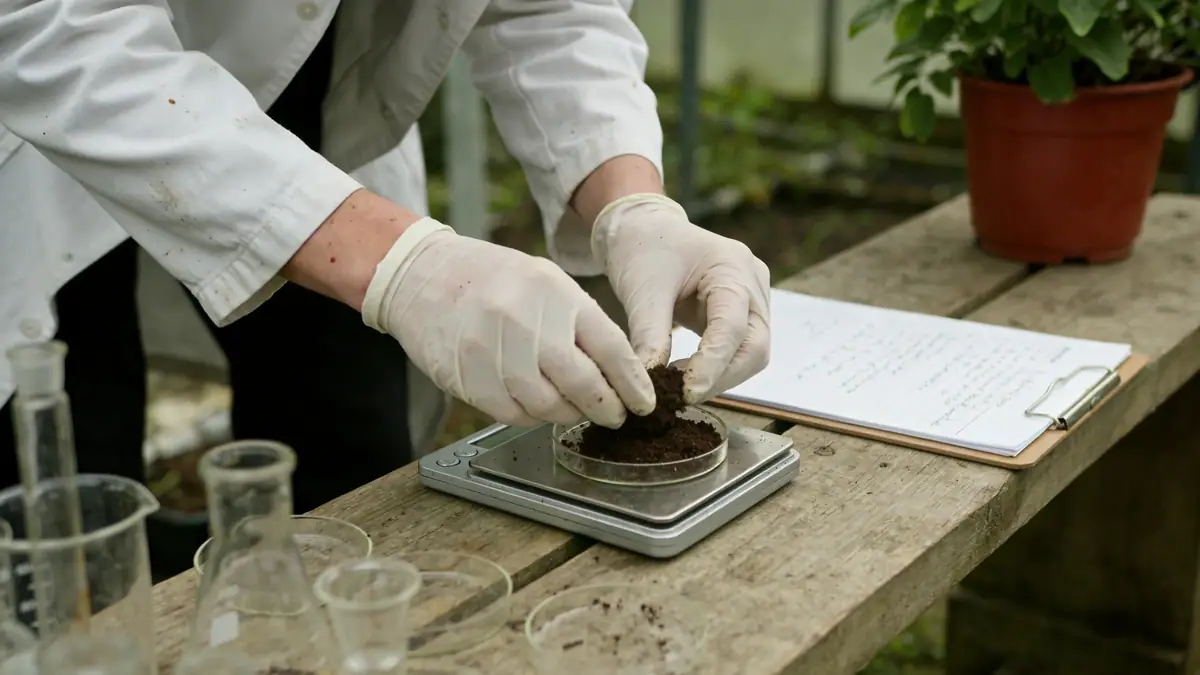
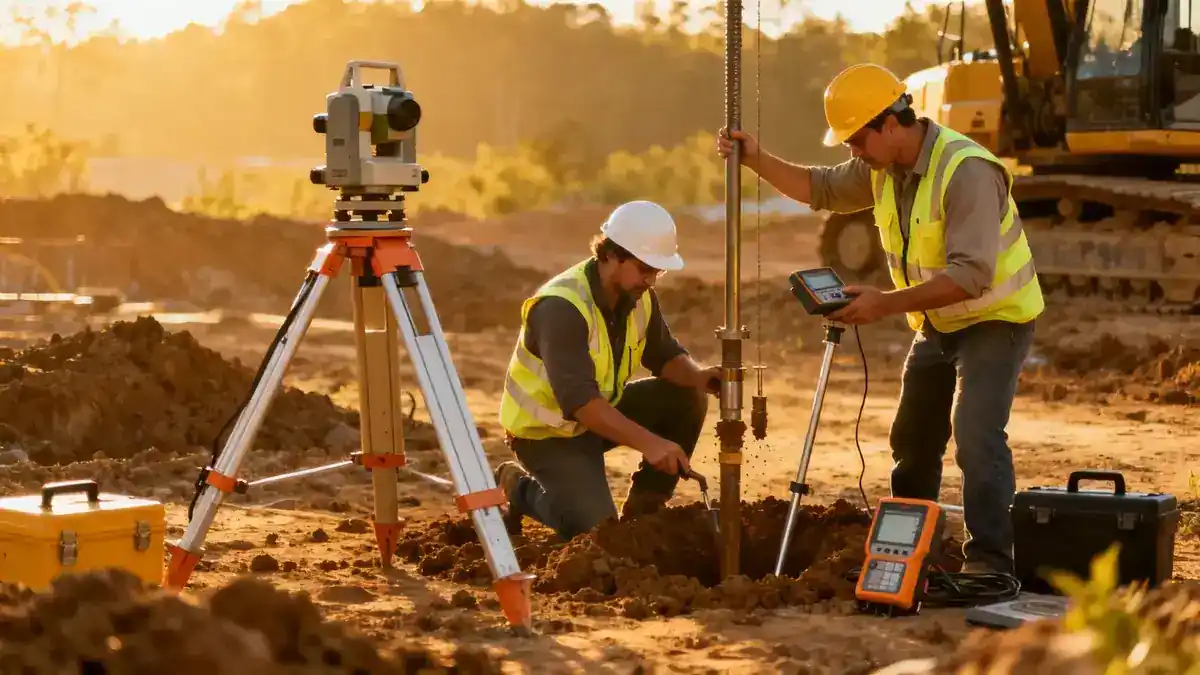
Our approach to geotechnical engineering in Pomona begins with a thorough review of existing geological maps and historical data. We then conduct field exploration programs, including spt boring to obtain soil samples and measure penetration resistance. Laboratory testing follows, using ASTM standards to determine soil classification, strength, and consolidation properties. For seismic evaluations, we perform site-specific response analyses in accordance with ASCE 7. Our methodology integrates these results to develop geotechnical parameters and design recommendations tailored to the site conditions. We also assess groundwater levels and potential liquefaction hazards, ensuring that foundations are designed to withstand both static and dynamic loads.
Reference Technical Parameters
| Parameter | Reference Value |
|---|---|
| Predominant soil type | Alluvial sands and silty clays |
| Maximum seismic acceleration (PGA) | 0.4g to 0.6g (ASCE 7) |
| Typical groundwater level | 5 to 15 meters below ground surface |
| Bedrock depth | Variable; 10 to 30 meters in most areas |
| Typical N60 range | 10 to 40 blows per foot |
Local Considerations — Pomona
Pomona's geology is shaped by its location at the base of the San Gabriel Mountains, with alluvial fans and fluvial deposits dominating the northern areas. These soils are generally granular but can contain layers of silt and clay. In contrast, the southern parts of Pomona feature older terrace deposits with denser sands and gravels. Groundwater levels are typically deep, but localized perched water may occur near irrigation channels. Seismic hazard is significant due to nearby faults, including the San Jose and Cucamonga faults. Our firm has extensive experience in Pomona, having completed numerous projects requiring slope stability analysis, foundation design, and liquefaction assessment. We also provide soil mechanics laboratory services to support site-specific evaluations. For broader regional context, refer to our geotechnical engineering en Los Angeles resources.
Request a Quote
Our team reviews your project and issues an initial report at no cost.
Or write us directly at [email protected]
Services in Pomona
Applicable Standards
- ASTM D1586
- ASCE 7
- California Building Code (CBC)
- Uniform Building Code (UBC)
Frequently Asked Questions
What are the typical soil conditions in Pomona?
Soils in Pomona vary from alluvial sands and silty clays in the north to denser terrace deposits in the south. Colluvium and weathered bedrock may be present near the foothills. A site-specific investigation is recommended to determine actual conditions.
Is a geotechnical study required for construction in Pomona?
Yes, most building permits require a geotechnical report, especially for projects in seismic zones or on sloping sites. The California Building Code mandates site-specific evaluations to address soil strength, settlement, and liquefaction potential.
How does seismic activity affect geotechnical design in Pomona?
Pomona is located in a seismically active region with several nearby faults. Design must consider peak ground accelerations up to 0.6g, potential liquefaction in saturated sands, and slope instability. Site-specific response analyses are often required per ASCE 7.