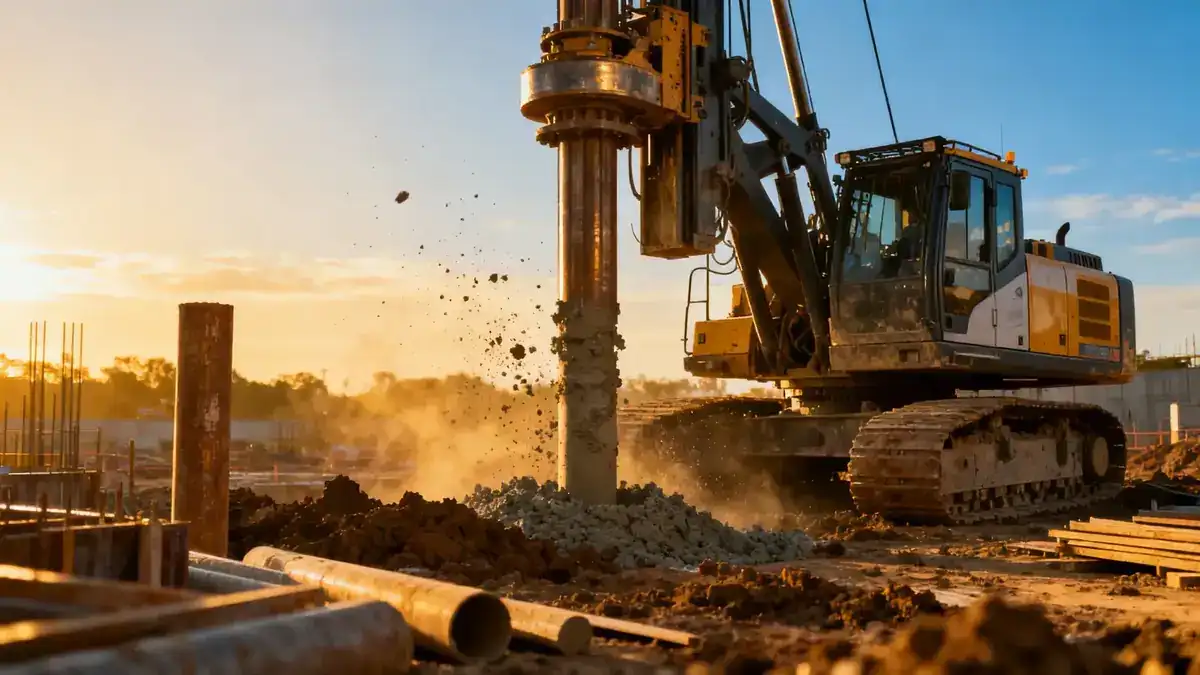
Methodology
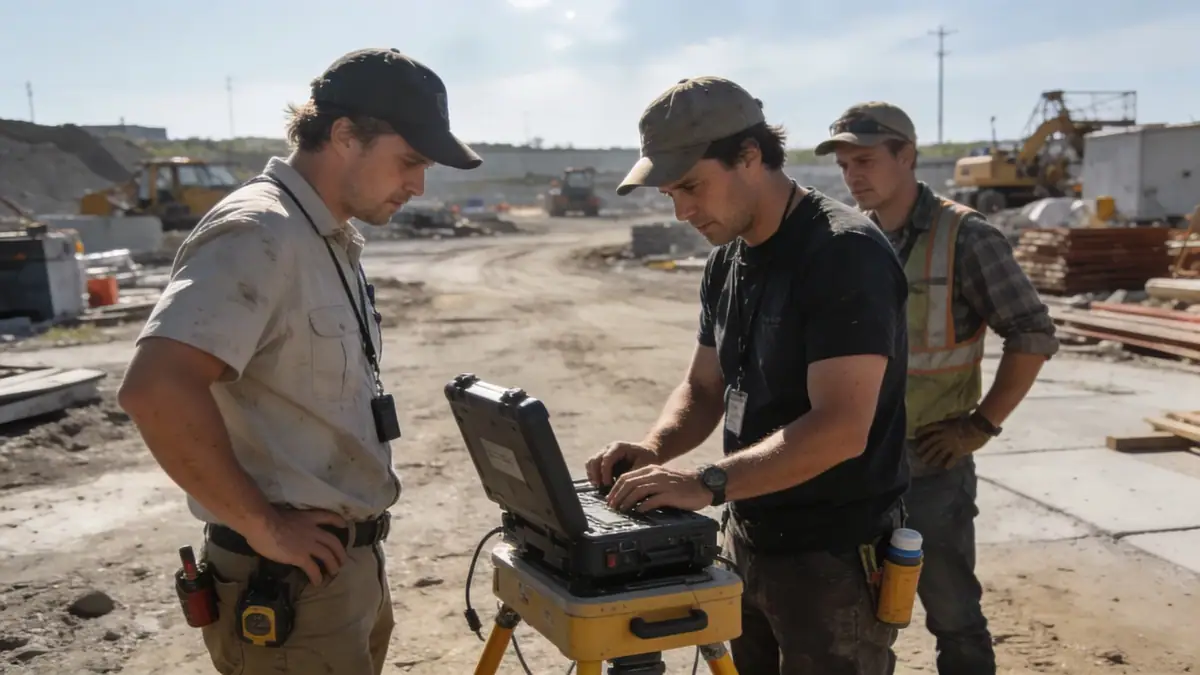
Our approach to geotechnical engineering in Pittsburgh begins with a thorough review of existing geologic maps and historical data. We then conduct field investigations, including spt boring and cone penetration testing, to characterize subsurface conditions. Laboratory testing on recovered samples follows ASTM standards to determine soil strength, consolidation, and permeability. For hillside developments, we perform slope stability analyses using limit equilibrium methods. All work is integrated into a geotechnical report that addresses foundation recommendations, earth retention, and seismic design parameters per ASCE 7.
Reference Technical Parameters
| Parameter | Reference Value |
|---|---|
| Predominant soil type | Glacial till, alluvial silts and sands, weathered claystone/shale |
| Maximum seismic acceleration (PGA) | 0.15–0.25 g (ASCE 7-16, Site Class C/D) |
| Typical groundwater level | 3–8 m below ground surface, varies seasonally |
| Bedrock depth | 5–15 m (Pennsylvanian sedimentary rock) |
| Typical N60 range (SPT) | 5–30 blows/0.3 m (granular soils); 10–50+ (glacial till) |
Local Considerations — Pittsburgh
Pittsburgh's geology is shaped by glacial and fluvial processes. The city lies on the Allegheny Plateau, underlain by Pennsylvanian-age sedimentary rocks—sandstone, limestone, and shale—often weathered near the surface. Glacial till deposits, dense and heterogeneous, dominate the northern and western suburbs. Alluvial terraces along the three rivers contain loose sands and silts with shallow groundwater. Hillside areas, such as Mount Washington, require careful slope stability evaluation due to colluvial soils and potential landslides. Our team integrates these local factors into every project. For clients with regional needs, we also offer geotechnical engineering en Philadelphia services.
Request a Quote
Our team reviews your project and issues an initial report at no cost.
Or write us directly at [email protected]
Services in Pittsburgh
Applicable Standards
- ASTM D1586 (Standard Test Method for SPT)
- ASCE 7-16 (Minimum Design Loads and Associated Criteria for Buildings)
- IBC 2018 (International Building Code)
- Pittsburgh Building Code (Chapter 18 – Soils and Foundations)
- ASTM D2487 (Classification of Soils for Engineering Purposes)
Frequently Asked Questions
What are the typical soil conditions in Pittsburgh for foundation design?
Soils in Pittsburgh vary from glacial tills (dense, low compressibility) to alluvial sands/silts (loose, high groundwater) and weathered shale. Foundation design must account for these variations, often requiring deep foundations in river valleys and spread footings on till or bedrock.
Does Pittsburgh have seismic design requirements?
Yes, Pittsburgh is in Seismic Design Category B per ASCE 7-16, with PGA values of 0.15–0.25 g. Seismic provisions apply to most structures, requiring site-specific response spectra and consideration of soil amplification effects.
Are geotechnical studies mandatory for building permits in Pittsburgh?
For commercial and multi-family projects, a geotechnical report is typically required by the Pittsburgh Building Code. For single-family homes, it depends on site conditions; however, our team recommends a study for hillside or riverfront properties.