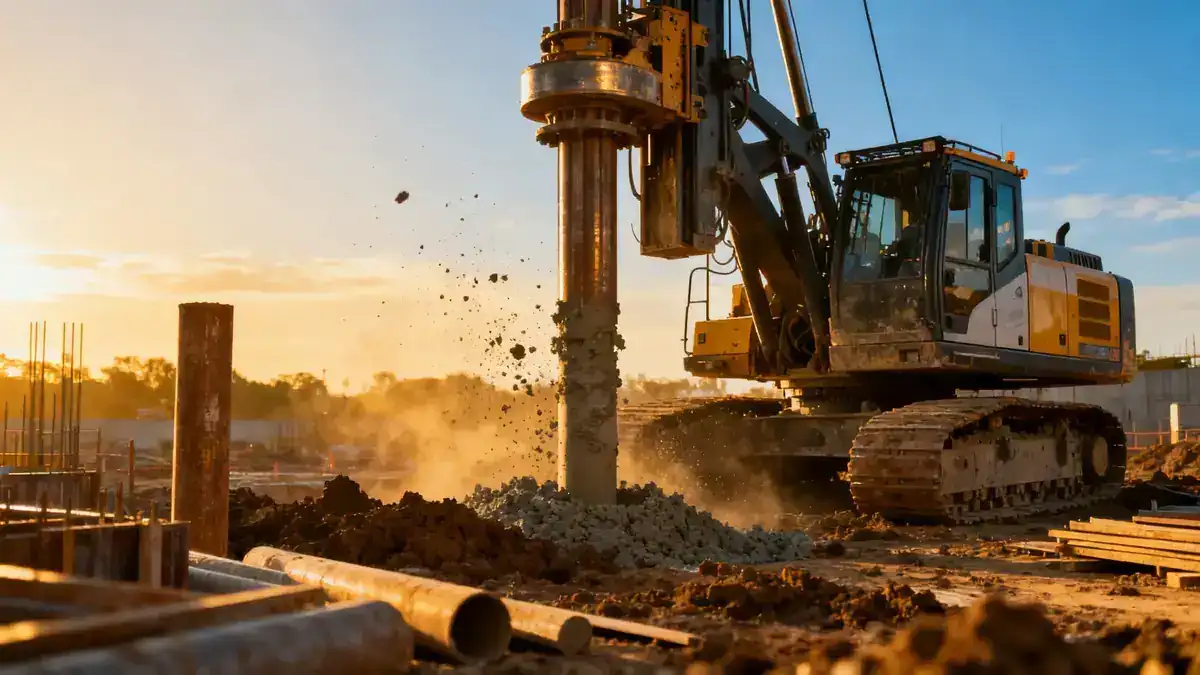
Methodology
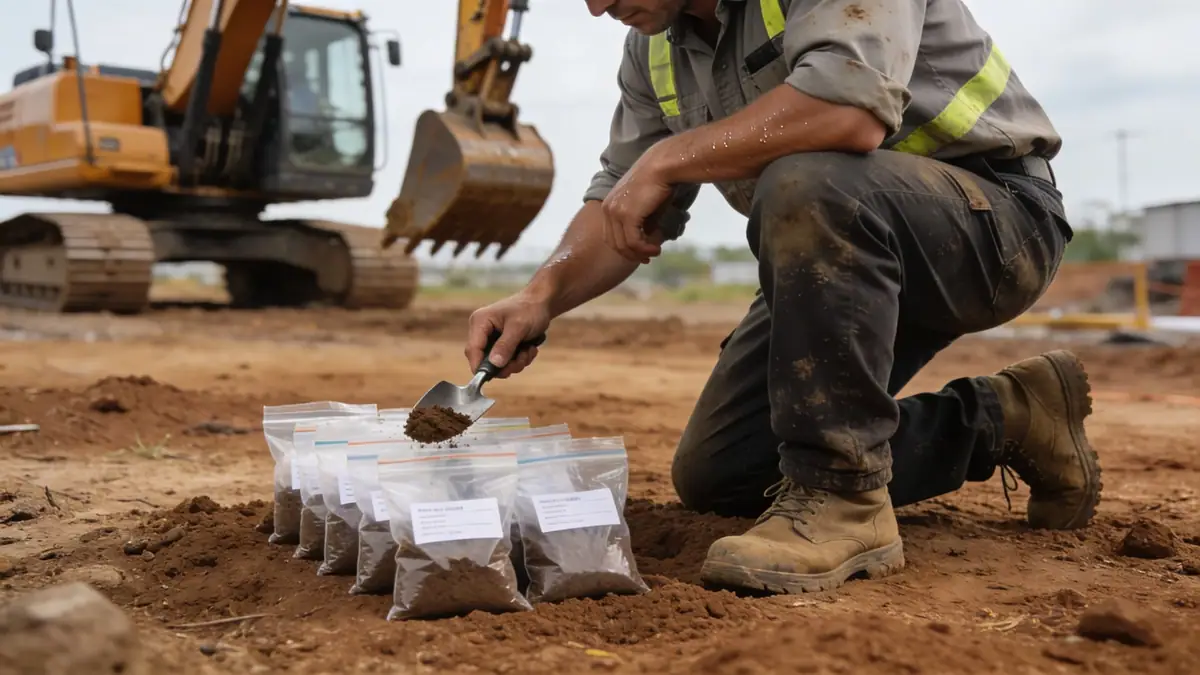
Our methodology for geotechnical engineering in Peoria Arizona integrates site-specific field investigations and laboratory testing. We conduct spt boring to recover disturbed and undisturbed samples, following ASTM D1586 for standard penetration tests. In our soil mechanics laboratory, we perform index property tests, consolidation, and direct shear to characterize soil behavior. This data informs our analysis of bearing capacity, settlement, and seismic site classification, all tailored to Peoria's unique subsurface conditions. Our approach ensures that design recommendations are both technically sound and compliant with local codes.
Reference Technical Parameters
| Parameter | Reference Value |
|---|---|
| Predominant soil type | Silty sands and sandy clays (alluvial deposits) |
| Maximum seismic acceleration (PGA) | 0.20g (ASCE 7-16) |
| Typical groundwater level | 10-30 m below ground surface |
| Bedrock depth | >100 m (deep sedimentary basin) |
| Typical N60 range | 10-30 blows/ft (variable) |
Local Considerations — Peoria Arizona
Peoria's subsurface consists of alluvial fan deposits from the White Tank Mountains, with interbedded sands, silts, and clays. Expansive soils are common in northern areas, requiring special foundation treatments. Groundwater is generally deep but can be locally elevated near irrigation canals. Seismic hazard is moderate (PGA 0.20g), with site class D typical. South Peoria shows denser soils from older alluvium, while northern areas have looser, collapsible deposits. Our firm integrates these factors into every study. For regional context, see our work via geotechnical engineering services from Phoenix, where we coordinate large-scale projects. Additionally, we apply slope stability analyses for hillside developments common in the area.
Request a Quote
Our team reviews your project and issues an initial report at no cost.
Or write us directly at [email protected]
Services in Peoria Arizona
Applicable Standards
- ASTM D1586 (Standard Penetration Test)
- ASCE 7-16 (Minimum Design Loads and Associated Criteria for Buildings and Other Structures)
- IBC 2021 (International Building Code)
- City of Peoria Geotechnical Report Guidelines
Frequently Asked Questions
What are the typical soil conditions in Peoria, Arizona?
Soils in Peoria are primarily alluvial sands, silts, and clays deposited by ancient floodplains. Expansive clays are common in northern areas, while southern regions have denser, older alluvium. Groundwater is generally deep, reducing liquefaction risk, but local variations exist near irrigation canals.
What seismic design requirements apply in Peoria?
Peoria falls under Seismic Design Category B or C per IBC 2021, with a peak ground acceleration (PGA) of 0.20g. Site class D is typical. ASCE 7-16 governs seismic load calculations, and geotechnical reports must provide site-specific response spectra for structural design.
Are geotechnical studies mandatory for construction in Peoria?
Yes, the City of Peoria requires a geotechnical investigation for most new structures, including residential, commercial, and public works. The report must address soil bearing capacity, settlement, expansive potential, and seismic site classification, following city guidelines and IBC standards.