Methodology
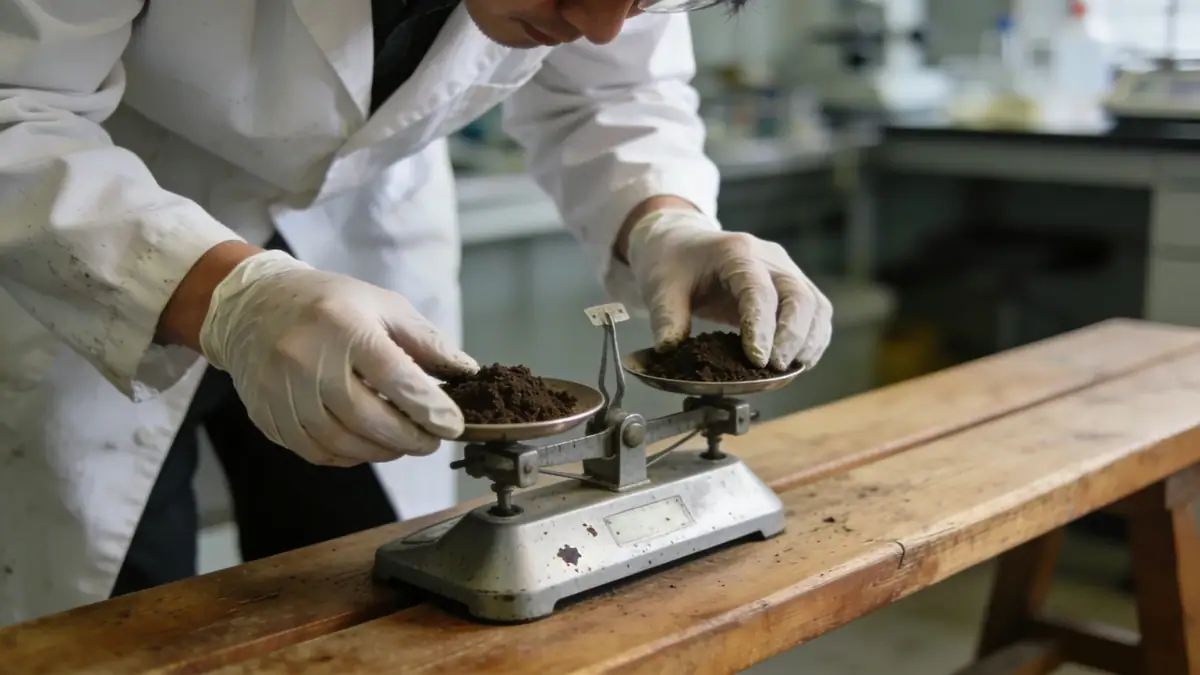
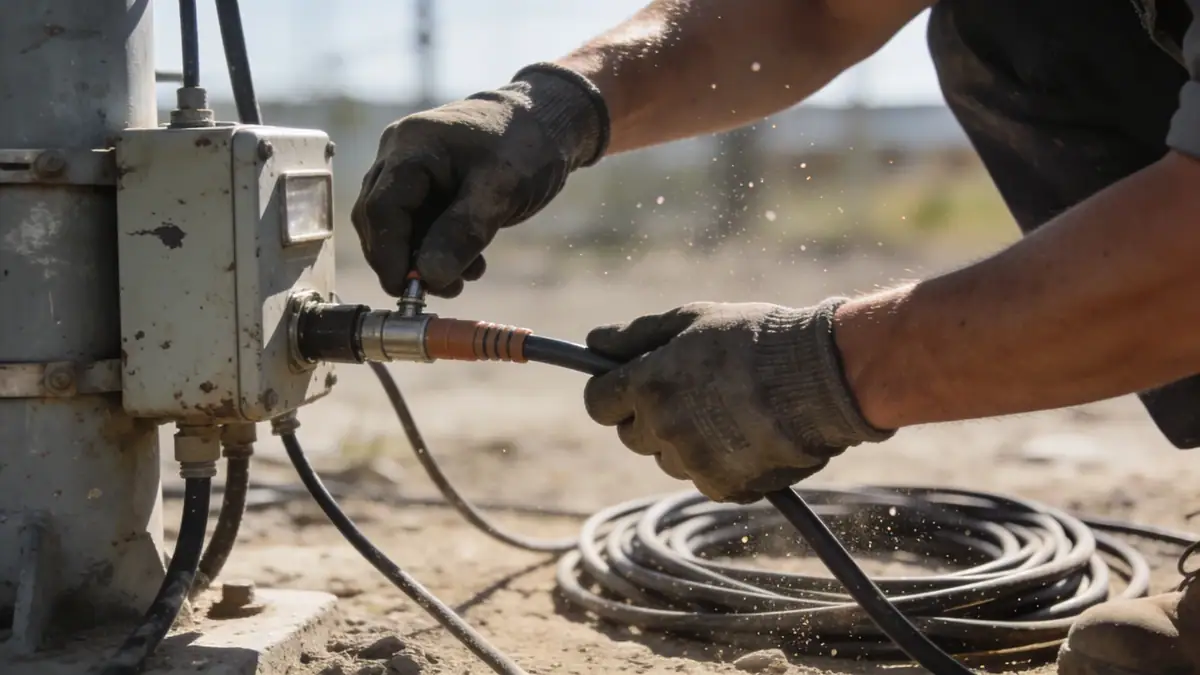
Our approach to geotechnical engineering in Oxnard integrates site-specific exploration with advanced laboratory testing, following ASTM D1586 for standard penetration testing (SPT). We typically conduct borings to depths of 10–15 m for residential projects and up to 30 m for industrial facilities, with sampling intervals of 1.0–1.5 m. Field data are complemented by soil classification, consolidation, and direct shear tests in our soil mechanics laboratory. This methodology allows us to characterize soil behavior under static and seismic loading, providing reliable parameters for foundation design and slope stability analysis.
Reference Technical Parameters
| Parameter | Reference Value |
|---|---|
| Predominant soil type | Alluvial sands, silts, and clays |
| Maximum seismic acceleration (PGA) | 0.4 g (ASCE 7 Seismic Design Category D) |
| Typical groundwater level | 1.5–3.0 m below ground surface |
| Bedrock depth | >30 m (deep alluvial basin) |
| Typical N60 range | 5–30 blows/0.3 m (variable) |
Local Considerations — Oxnard
Oxnard lies within the Ventura Basin, underlain by deep Quaternary alluvium. The shallow groundwater table (1.5–3 m) poses challenges for excavations and requires dewatering considerations. Seismic hazards are significant due to nearby active faults, including the San Andreas and Oak Ridge faults, with a PGA of 0.4 g per ASCE 7. Coastal areas are prone to liquefaction in loose sands, while inland clay layers may exhibit expansive behavior. Our team integrates these factors into site-specific recommendations, leveraging our experience from geotechnical engineering en Los Angeles to address Oxnard’s distinct conditions.
Request a Quote
Our team reviews your project and issues an initial report at no cost.
Or write us directly at [email protected]
Services in Oxnard
Applicable Standards
- ASTM D1586
- ASCE 7
- California Building Code (CBC)
- Seismic Design Category D
Frequently Asked Questions
What soil types are commonly found in Oxnard?
Oxnard’s subsurface consists primarily of alluvial sands, silts, and clays deposited by the Santa Clara River. Near the coast, loose sands dominate, while inland areas feature stiff clays and silts. Groundwater is typically shallow, at depths of 1.5 to 3 meters.
How does seismic activity affect geotechnical design in Oxnard?
Oxnard is in Seismic Design Category D per ASCE 7, with a PGA of 0.4 g. Soil liquefaction is a concern in coastal sandy areas. Geotechnical investigations must evaluate cyclic resistance and provide mitigation measures such as deep foundations or ground improvement.
Are geotechnical studies mandatory for construction in Oxnard?
Yes, the California Building Code requires geotechnical investigations for most new structures, especially in Seismic Design Category D. Local jurisdictions in Ventura County typically enforce these requirements to ensure public safety and code compliance.