Methodology
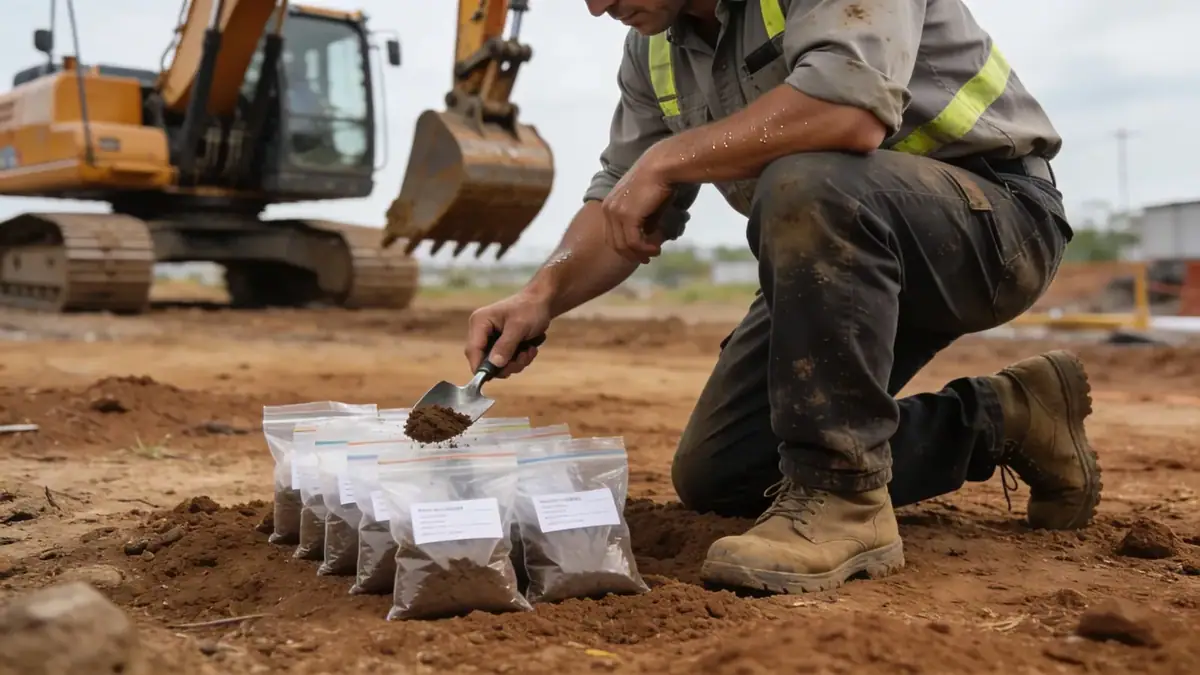
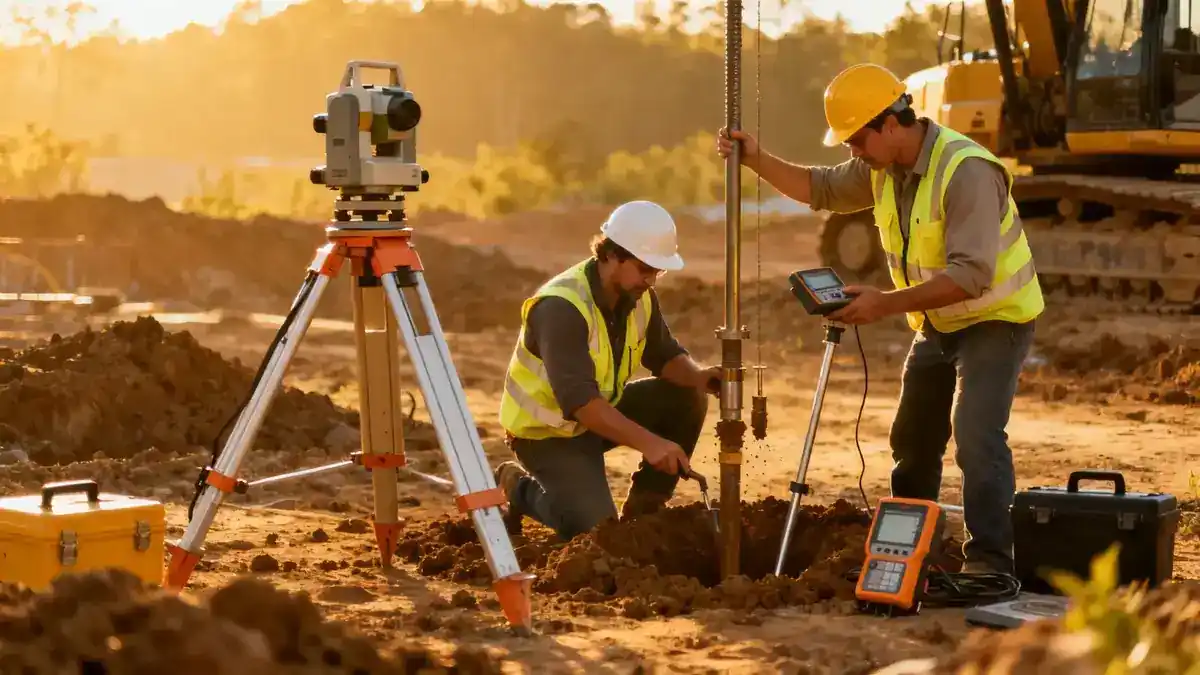
Our methodology in Orlando begins with a comprehensive desk study of regional geology, followed by field investigations using spt boring to characterize soil strata and groundwater conditions. We employ continuous sampling and standard penetration tests (SPT) per ASTM D1586, with boreholes typically extending 10–20 m to assess bearing strata. Laboratory testing on recovered samples determines grain size distribution, Atterberg limits, and shear strength parameters. This data informs foundation recommendations, including shallow footing capacities and deep foundation alternatives, while accounting for the high water table common in many areas of Orlando.
Reference Technical Parameters
| Parameter | Reference Value |
|---|---|
| Predominant soil type | Sands with varying silt and clay content; limestone layers at depth |
| Maximum seismic acceleration (PGA) | 0.05–0.10 g (low seismicity per ASCE 7-22) |
| Typical groundwater level | 1.5–3.0 m below ground surface |
| Bedrock depth | 10–30 m (limestone formation) |
| Typical N60 range (SPT) | 5–30 blows/ft; variable with density and moisture |
Local Considerations — Orlando
Orlando's geology is dominated by sandy soils of the Hawthorn Group, underlain by limestone. The high water table, often within 2 m of the surface, necessitates dewatering considerations and influences foundation design. Seismic hazard is low, with a PGA of 0.05–0.10 g per ASCE 7-22, but site-specific studies are required for critical structures. Our team has extensive experience with sinkhole assessments, a local concern due to karst topography. For projects requiring advanced analysis, refer to our slope stability services. We also coordinate with geotechnical engineering en Miami for regional consistency in high-profile developments.
Request a Quote
Our team reviews your project and issues an initial report at no cost.
Or write us directly at [email protected]
Services in Orlando
Applicable Standards
- ASTM D1586 (Standard Penetration Test)
- ASCE 7-22 (Minimum Design Loads and Associated Criteria for Buildings)
- Florida Building Code (FBC)
- ASTM D2487 (Classification of Soils for Engineering Purposes)
Frequently Asked Questions
What are the typical soil conditions in Orlando?
Soils are predominantly sands with variable fines, often loose to medium dense. Groundwater is shallow, typically 1.5–3 m deep. Limestone bedrock is present at depths of 10–30 m, creating potential for sinkholes in some areas.
Is seismic design required for buildings in Orlando?
Yes, but the seismic hazard is low. Per ASCE 7-22, the maximum considered earthquake spectral acceleration (S_s) is approximately 0.10 g, and site class effects are minimal. Most structures require only basic seismic detailing per the Florida Building Code.
Are geotechnical studies mandatory for construction in Orlando?
The Florida Building Code requires a geotechnical investigation for most new buildings, especially those with deep foundations or in areas prone to sinkholes. Our studies ensure compliance with local regulations and provide safe foundation designs.