Methodology
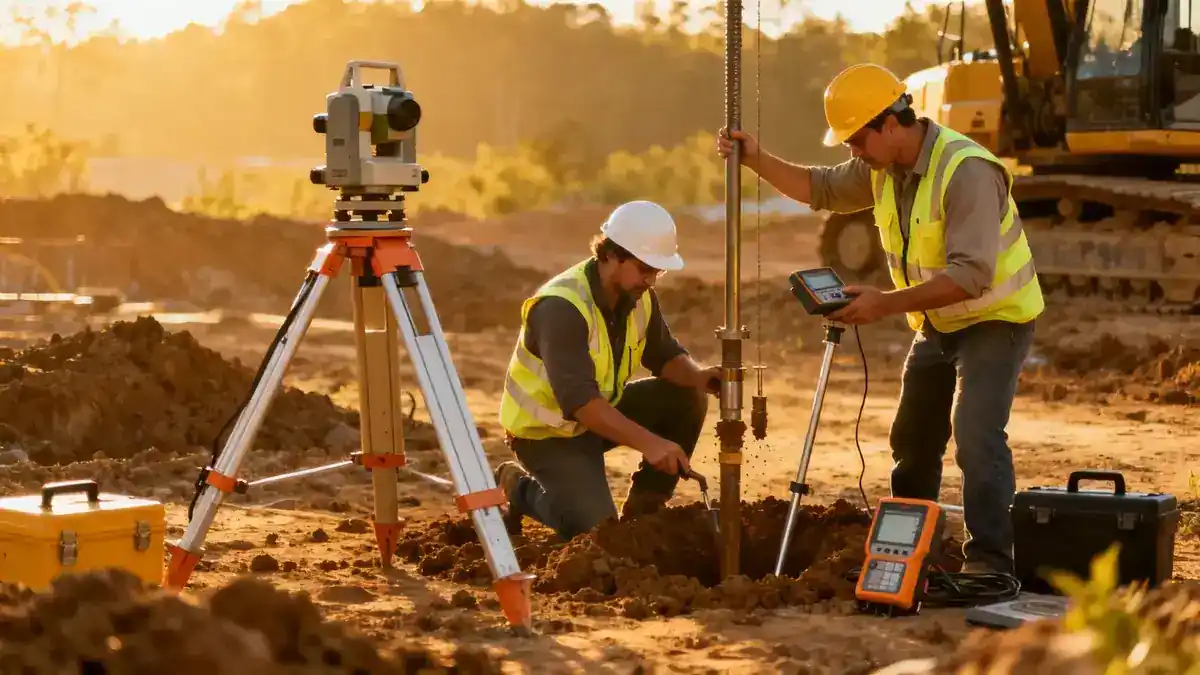
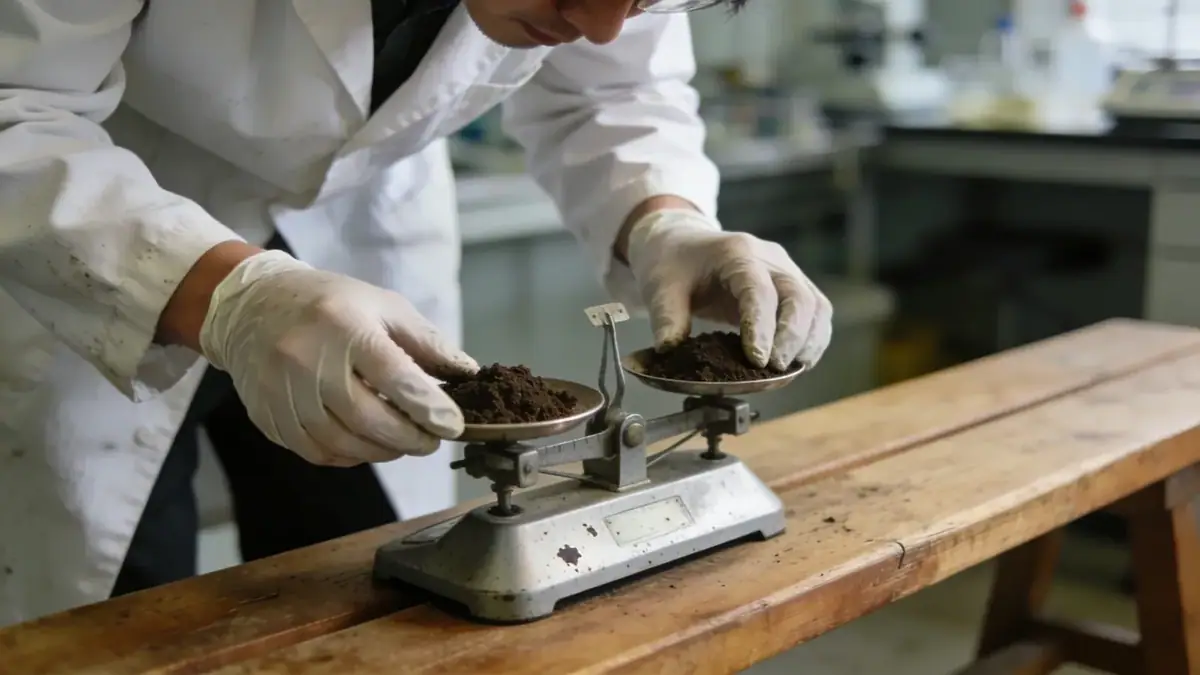
Our methodology for geotechnical engineering in Oakland begins with a thorough review of existing geological maps and seismic hazard data. We then execute a targeted field investigation program, including spt boring to obtain soil samples and measure blow counts at depth, supplemented by cone penetration testing (CPT) where continuous stratigraphic profiles are needed. In the laboratory, we classify soils per ASTM D2487 and perform index tests, consolidation, and direct shear testing to determine engineering parameters. For seismic design, we evaluate liquefaction potential using cyclic stress-based methods per ASCE 7-16 and compute site-specific response spectra. Our integrated approach ensures reliable input for foundation and earthwork design.
Reference Technical Parameters
| Parameter | Reference Value |
|---|---|
| Predominant soil type | Silty clay (CL) and clayey sand (SC) |
| Maximum seismic acceleration (PGA) | 0.6g (ASCE 7-16, Site Class D) |
| Typical groundwater level | 3 to 6 m below ground surface |
| Bedrock depth | 10 to 30 m (Franciscan Complex) |
| Typical N60 range | 5 to 30 blows/0.3 m (variable with depth) |
Local Considerations — Oakland
Oakland's geology is dominated by the Franciscan Complex, comprising sheared sandstone, shale, and mélange, overlain by younger alluvial deposits in the flatlands and colluvium on hillsides. The Oakland Hills present a risk of shallow landslides and debris flows during heavy rainfall, while liquefaction potential is high in the waterfront zone along the Oakland Estuary due to loose, saturated sandy fills. The San Andreas and Hayward faults generate significant seismic shaking, requiring site-specific ground motion analysis per ASCE 7-16. For projects in the hills, our team frequently recommends slope stability analysis and retaining wall design. In the flatlands, deep foundations or ground improvement may be necessary to mitigate liquefaction. Our practice integrates these local factors into every geotechnical study. For regional coordination, we work alongside our geotechnical engineering in Los Angeles team to share best practices.
Request a Quote
Our team reviews your project and issues an initial report at no cost.
Or write us directly at [email protected]
Services in Oakland
Applicable Standards
- ASTM D1586 (Standard Penetration Test)
- ASCE 7-16 (Minimum Design Loads and Associated Criteria for Buildings)
- California Building Code (CBC) 2022
- Caltrans Geotechnical Manual
Frequently Asked Questions
What are the typical soil conditions for geotechnical engineering in Oakland?
Oakland's subsurface conditions vary significantly. The flatlands feature soft to stiff silty clay and loose sand, while the hills contain colluvium over weathered Franciscan bedrock. Groundwater is shallow near the estuary, and liquefaction-prone zones exist along the coast. Site-specific investigation is critical to characterize these conditions.
How does seismic hazard affect foundation design in Oakland?
Oakland lies near the Hayward Fault, a major seismic source. ASCE 7-16 requires site-specific ground motion analysis, including evaluation of liquefaction, lateral spreading, and slope instability. Our firm incorporates these hazards into foundation recommendations, often specifying deep foundations or ground improvement for high-risk sites.
Is a geotechnical investigation mandatory for construction in Oakland?
While not always legally required for minor alterations, the California Building Code mandates geotechnical investigation for most new buildings and additions, especially in Seismic Design Categories D or E. Practical necessity also drives studies to avoid costly failures and ensure regulatory approval.