Methodology
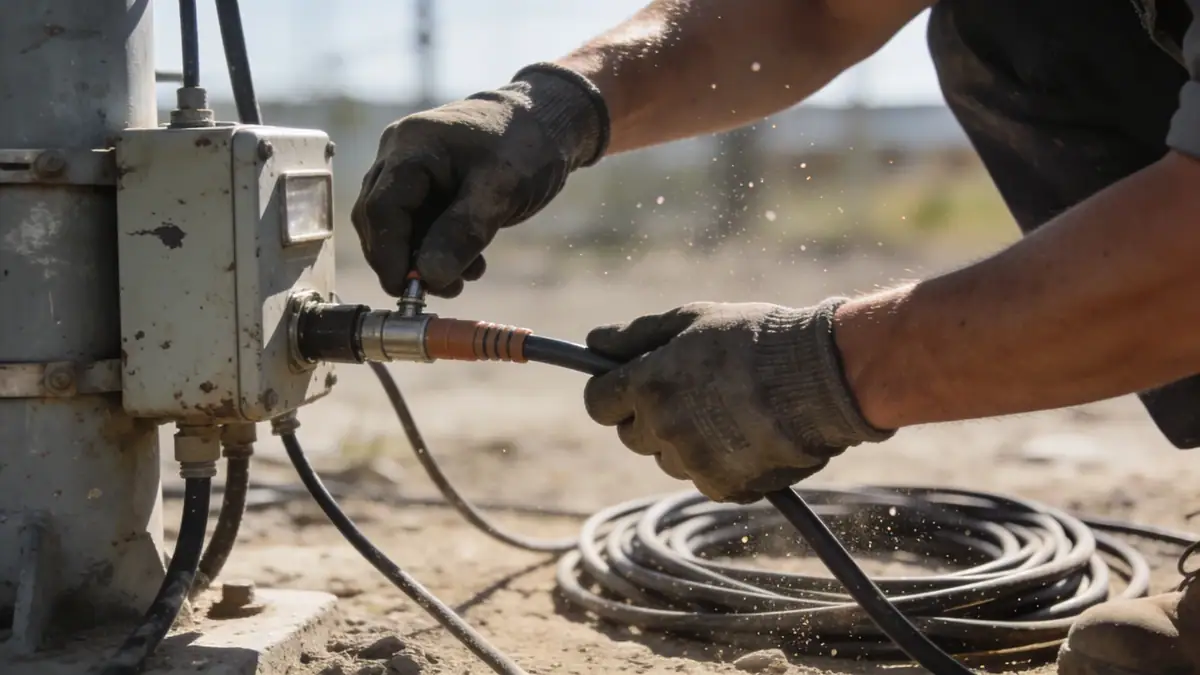
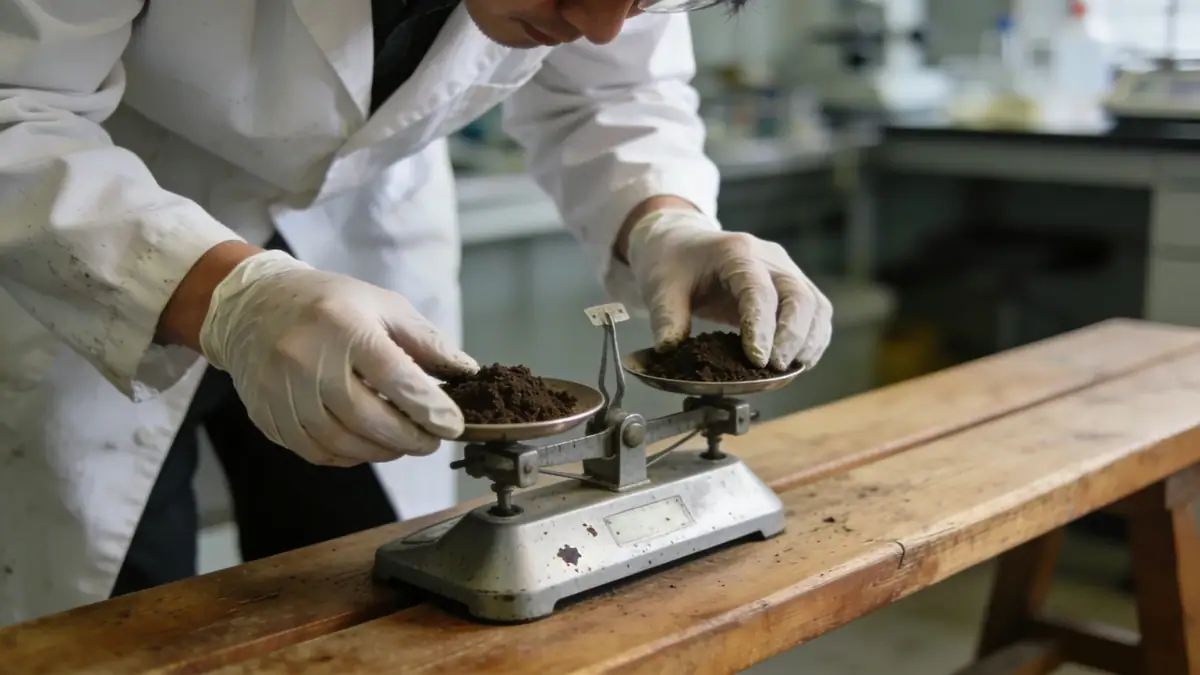
Our methodology in New Orleans integrates a phased approach to subsurface exploration, beginning with a detailed review of existing geological and hydrological data. We employ systematic spt boring programs following ASTM D1586 to characterize soil stratification and strength at depth. Field investigations are complemented by soil mechanics laboratory testing, including index properties, consolidation, and shear strength, to develop accurate design parameters. For each project, we tailor our scope to address specific concerns such as liquefaction potential, settlement, and groundwater control, ensuring compliance with local building codes and ASCE 7 seismic criteria.
Reference Technical Parameters
| Parameter | Reference Value |
|---|---|
| Predominant soil type | Soft clay and silt (Mississippi River alluvium) |
| Typical groundwater level | 1–3 m below ground surface |
| Maximum seismic acceleration (PGA) | 0.10–0.15 g (ASCE 7-16) |
| Bedrock depth | >100 m (deep sedimentary basin) |
| Typical N60 range (SPT) | 2–15 blows/ft (soft to firm clay) |
Local Considerations — New Orleans
New Orleans’ subsurface is dominated by the Mississippi River alluvial plain, with thick deposits of soft clay, silt, and organic peat, often interbedded with loose sand lenses. The shallow water table, typically 1–3 m deep, complicates excavation and requires dewatering or watertight cofferdams. Seismic hazard is moderate, with peak ground accelerations of 0.10–0.15 g per ASCE 7, necessitating liquefaction assessments in loose sands. Neighborhoods on natural levees (e.g., Uptown) contrast with back-swamp areas (e.g., Gentilly) with deeper soft soils. Land subsidence is a chronic issue, requiring pile foundations or ground improvement. Our geotechnical engineering en Houston team collaborates on deltaic projects, applying analogous expertise from the Gulf Coast.
Request a Quote
Our team reviews your project and issues an initial report at no cost.
Or write us directly at [email protected]
Services in New Orleans
Applicable Standards
- ASTM D1586 (Standard Penetration Test)
- ASCE 7-16 (Minimum Design Loads and Associated Criteria for Buildings and Other Structures)
- Eurocode 7 (Geotechnical Design – reference for international projects)
- Louisiana State Building Code (LSBC) with local amendments
Frequently Asked Questions
What are the primary soil challenges in New Orleans for construction?
The main challenges include very soft clays and silts that settle under load, a high water table requiring dewatering, and a risk of liquefaction during earthquakes. Peat layers can cause differential settlement, and subsidence is a long-term concern. Proper geotechnical investigation is essential to address these conditions.
Is a geotechnical study required for building permits in New Orleans?
Yes, the Louisiana State Building Code mandates a geotechnical investigation for most commercial and multi-family residential structures. For single-family homes, it is strongly recommended, especially in areas with soft soils or high groundwater. The study must include soil borings, laboratory testing, and foundation recommendations.
How deep are typical soil borings in New Orleans?
Boring depths vary by project type, but typically range from 10 to 30 m. For high-rise buildings, borings may extend to 40 m or more to reach competent bearing strata. In residential projects, 8–15 m is common. The depth is determined by anticipated loads and the presence of deep soft layers.