Methodology
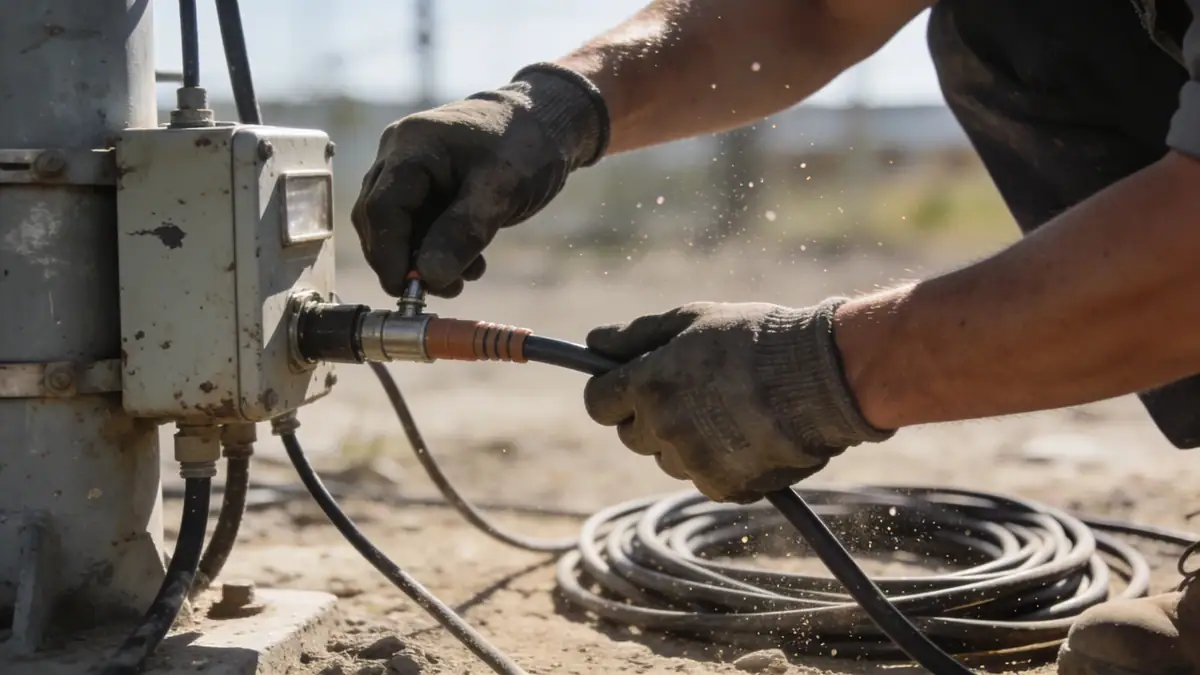
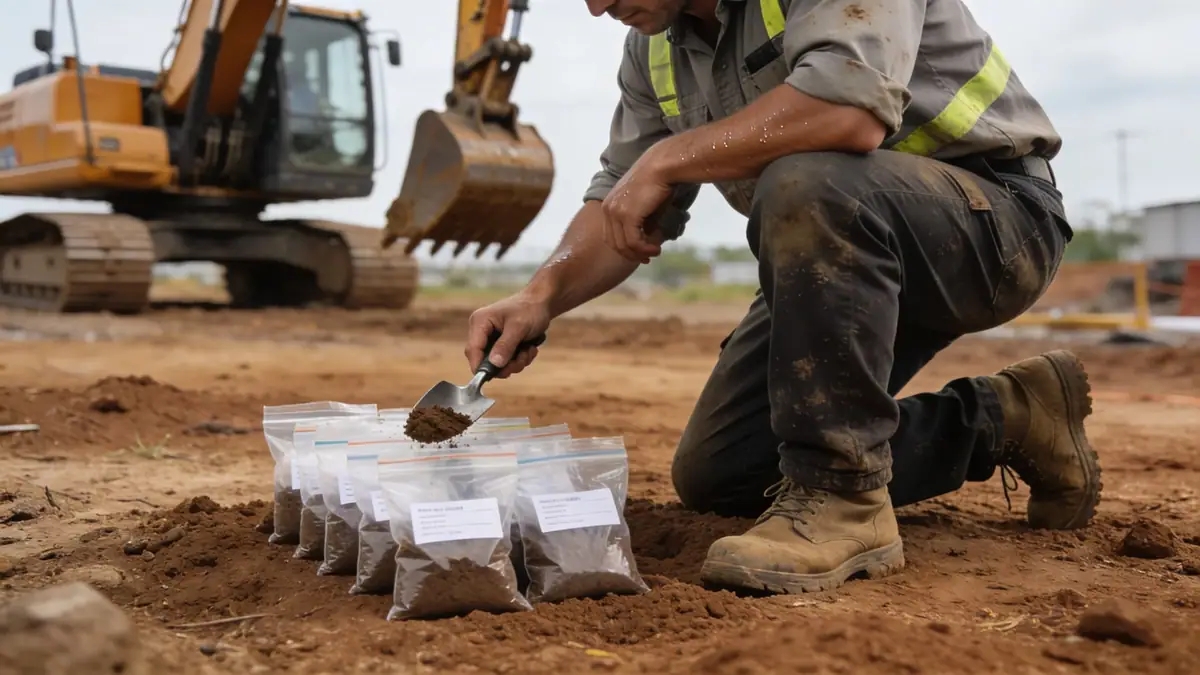
Our geotechnical approach in Murfreesboro follows a systematic methodology aligned with ASTM D1586 for standard penetration testing and ASTM D2487 for soil classification. Field programs include soil borings, cone penetration tests, and test pits to capture stratigraphic variability. Laboratory testing covers moisture-density relationships, Atterberg limits, and unconfined compression. We integrate geophysical surveys and seismic hazard analysis per ASCE 7 to evaluate liquefaction potential and ground motion amplification. Detailed spt boring profiles are correlated with local geologic maps to refine subsurface models for foundation recommendations.
Reference Technical Parameters
| Parameter | Reference Value |
|---|---|
| Predominant soil type | Clayey silt and lean clay (CL-ML, CL) |
| Maximum seismic acceleration (PGA) | 0.15–0.25 g (ASCE 7-16) |
| Typical groundwater level | 3–8 ft below ground surface |
| Bedrock depth | 50–120 ft (limestone/shale) |
| Typical N60 range (SPT) | 4–15 blows/ft (upper 20 ft) |
Local Considerations — Murfreesboro
Murfreesboro sits within the Nashville Basin, underlain by Ordovician limestone and shale. Residual soils from weathered bedrock form expansive clays that pose shrink-swell risks. Shallow groundwater is common, requiring dewatering or drainage measures. Seismic design follows ASCE 7 with a Site Class D default. Older downtown areas exhibit stiff clays, while newer subdivisions encounter softer alluvial deposits. Typical cases include slab-on-grade cracking from expansive soils and deep foundations for heavy structures. Our team in Murfreesboro coordinates with local authorities and references soil mechanics laboratory data to tailor solutions.
Request a Quote
Our team reviews your project and issues an initial report at no cost.
Or write us directly at [email protected]
Services in Murfreesboro
Applicable Standards
- ASTM D1586 (Standard Penetration Test)
- ASCE 7-16 (Minimum Design Loads and Associated Criteria for Buildings)
- International Building Code (IBC) 2021
- ASTM D2487 (Classification of Soils for Engineering Purposes)
- ASTM D4318 (Atterberg Limits)
Frequently Asked Questions
What are the predominant soil types found in Murfreesboro?
The predominant soils are clayey silts and lean clays (CL-ML, CL) derived from weathered limestone and shale. These expansive soils require careful moisture control and foundation design to mitigate shrink-swell movements.
What seismic design criteria apply to Murfreesboro?
Per ASCE 7-16, Murfreesboro falls within Seismic Design Category B with a maximum considered earthquake spectral response acceleration (S1) of 0.06–0.10 g. Site-specific geotechnical evaluations determine the appropriate Site Class and liquefaction potential.
Are geotechnical studies mandatory for new construction in Murfreesboro?
While not universally required, most building permits necessitate a geotechnical report per IBC 2021 for structures with unusual loads or expansive soils. Lenders and design professionals often mandate subsurface investigations to ensure foundation adequacy.