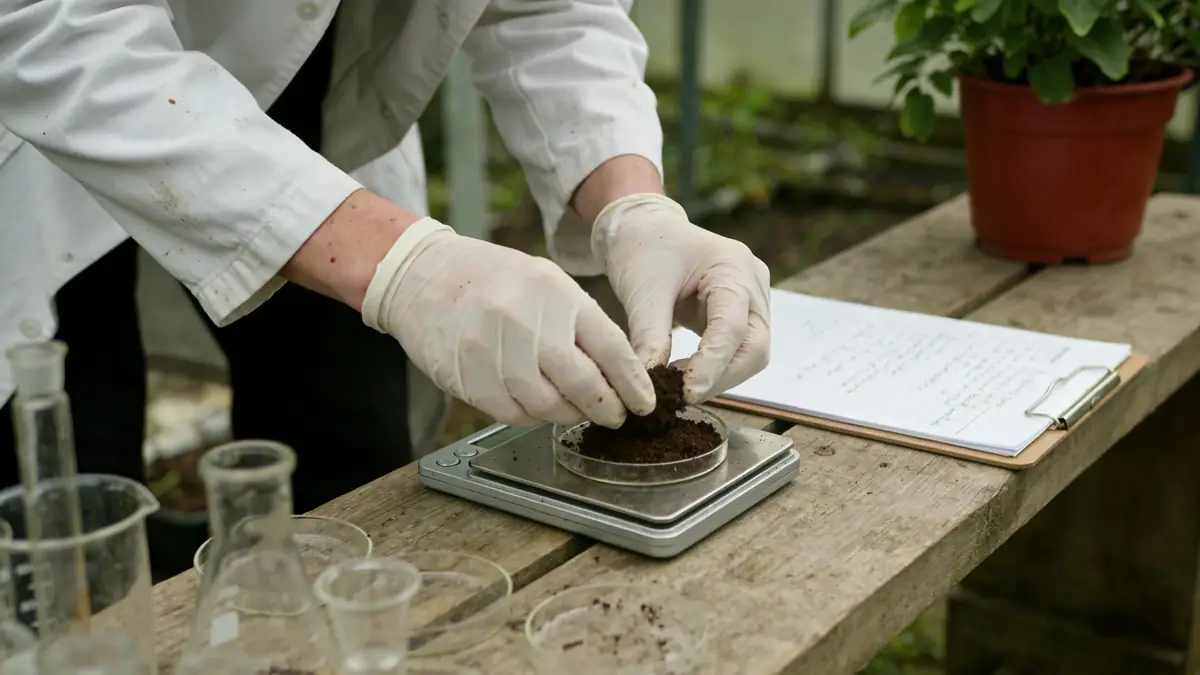
Methodology
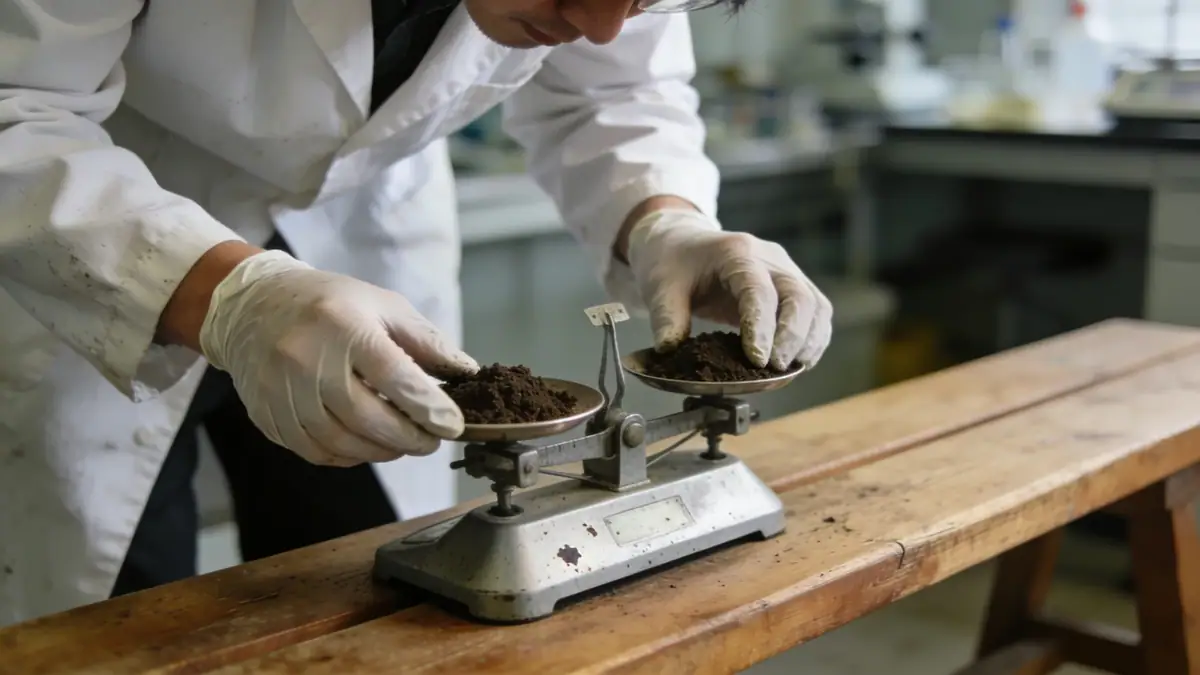
Our approach to geotechnical engineering in Moreno Valley begins with a comprehensive desktop study of existing geological maps and historical data, followed by field exploration using methods such as spt boring to recover disturbed and undisturbed samples. We conduct standard penetration tests (ASTM D1586) at 1.5 m intervals to measure N60 values, typically ranging from 10 to 40 blows per foot in the region's alluvial soils. Laboratory testing includes classification, strength, and consolidation tests on representative samples. The collected data inform our analysis of bearing capacity, settlement, slope stability, and seismic site response. Our methodology adheres to local building codes and international standards, providing a reliable foundation for design decisions in Moreno Valley.
Reference Technical Parameters
| Parameter | Reference Value |
|---|---|
| Predominant soil type | Alluvial silty sands and clays |
| Maximum seismic acceleration (PGA) | 0.4–0.6 g (ASCE 7-16) |
| Typical groundwater level | 5–15 m below ground surface |
| Bedrock depth | >30 m (deep alluvium) |
| Typical N60 range | 10–40 blows/ft (SPT) |
Local Considerations — Moreno Valley
Moreno Valley's geology is dominated by alluvial fans and fluvial deposits from the San Jacinto and Perris Valleys. Soils consist of interbedded silty sands, clays, and gravels with variable compaction. Groundwater is typically deep but can rise locally near the San Jacinto River. Seismic hazards are significant due to the San Jacinto Fault Zone, requiring site-specific response analysis per ASCE 7. The city's growth has led to development in areas with collapsible or expansive soils, necessitating careful evaluation. For a broader context, our geotechnical engineering en Los Angeles practice offers regional expertise that extends to Moreno Valley projects.
Request a Quote
Our team reviews your project and issues an initial report at no cost.
Or write us directly at [email protected]
Services in Moreno Valley
Applicable Standards
- ASTM D1586 (Standard Penetration Test)
- ASCE 7-16 (Minimum Design Loads for Buildings)
- California Building Code (CBC) Chapter 18
- International Building Code (IBC) 2018
Frequently Asked Questions
What are the typical soil conditions in Moreno Valley?
Soils are primarily alluvial silty sands and clays, with variable compaction and occasional gravel layers. Expansive clays are present in some areas, requiring special foundation design. Groundwater is generally deep but can be shallow near drainage channels.
How does seismic activity affect geotechnical engineering in Moreno Valley?
Moreno Valley is in a seismically active region due to the San Jacinto and Elsinore faults. Site-specific seismic hazard analysis is required per ASCE 7 to determine peak ground acceleration and liquefaction potential. Our studies incorporate these factors to ensure structural resilience.
Is a geotechnical investigation mandatory for construction in Moreno Valley?
Yes, the California Building Code requires a geotechnical investigation for most new constructions, including residential, commercial, and industrial projects. The report must address soil bearing capacity, settlement, seismic hazards, and groundwater conditions to obtain building permits.