Methodology
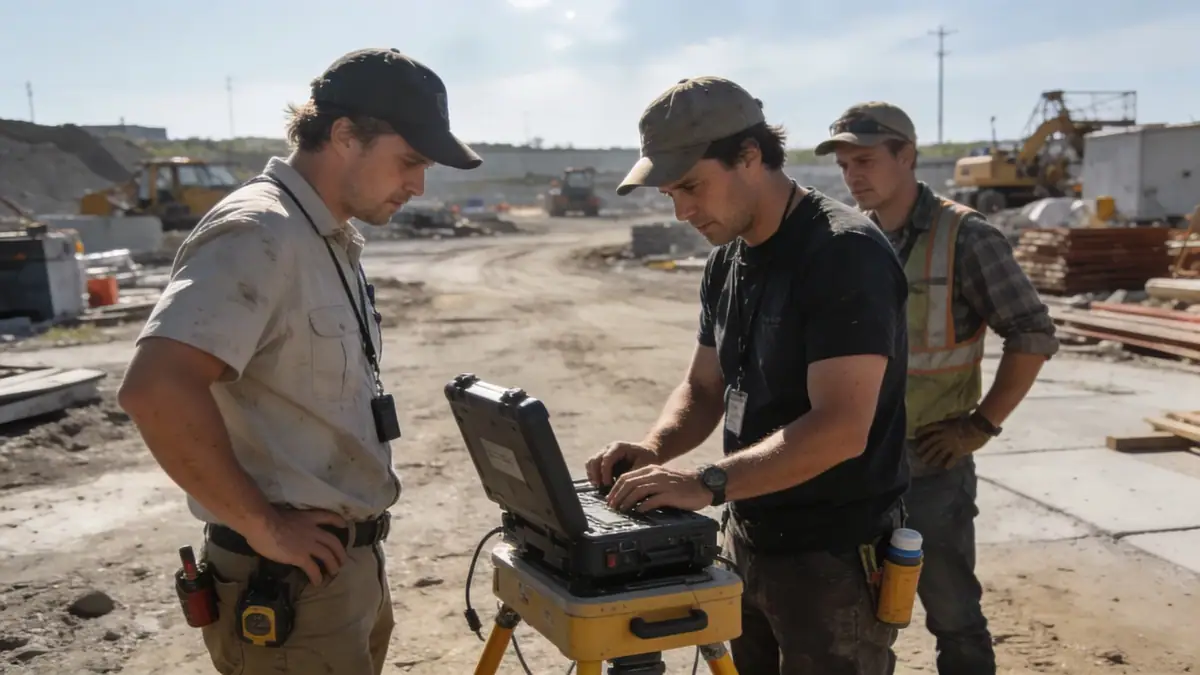
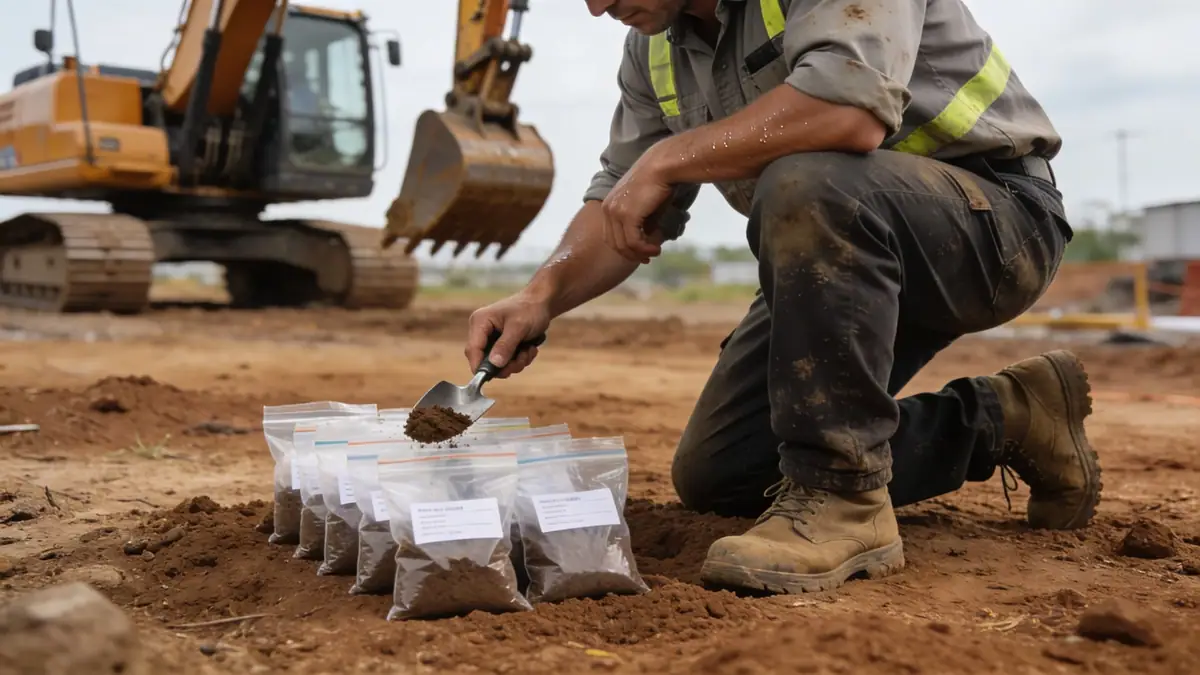
Our geotechnical engineering methodology in Montgomery Alabama begins with a thorough review of existing geological maps and historical data. We then conduct a tailored subsurface investigation program, which may include spt boring to obtain soil samples and measure N-values at regular intervals, typically every 1.5 meters per ASTM D1586. Depending on project scale, we also employ cone penetration testing (CPT) for continuous profiling and test pits for shallow foundations. Laboratory testing follows ASTM standards, including grain size analysis (D6913), Atterberg limits (D4318), and unconfined compression (D2166). This integrated approach ensures robust soil characterization and reliable foundation parameters.
Reference Technical Parameters
| Parameter | Reference Value |
|---|---|
| Predominant soil type | Sandy clay and clayey sand (SC/CL) over limestone bedrock |
| Maximum seismic acceleration (PGA) | 0.15g (ASCE 7-16, Site Class C) |
| Typical groundwater level | 3 to 8 meters below ground surface |
| Bedrock depth | 10 to 30 meters (karstic limestone) |
| Typical N60 range (SPT) | 4 to 25 blows per foot (varies with moisture) |
Local Considerations — Montgomery Alabama
Montgomery's geology is dominated by Coastal Plain sediments underlain by Paleozoic limestone, creating a variable mantle of residual and alluvial soils. The Alabama Department of Transportation (ALDOT) enforces strict geotechnical reporting standards for public works, often requiring phased investigations. A key challenge is the presence of solution features in the karstic limestone, which can cause sudden ground loss—our team routinely employs geophysical surveys to detect voids. For high-rise projects near the Alabama River, deep foundations are common due to low bearing capacity in the floodplain. Additionally, we coordinate closely with the soil mechanics laboratory to run consolidation tests for settlement-sensitive structures, ensuring compliance with local building codes and ASCE 7 seismic provisions.
Request a Quote
Our team reviews your project and issues an initial report at no cost.
Or write us directly at [email protected]
Services in Montgomery Alabama
Applicable Standards
- ASTM D1586 (Standard Test Method for Standard Penetration Test)
- ASCE 7-16 (Minimum Design Loads and Associated Criteria for Buildings)
- Alabama Building Code (IBC 2018 based)
- ASTM D2487 (Classification of Soils for Engineering Purposes)
Frequently Asked Questions
What soil types are most common in Montgomery, Alabama?
Montgomery predominantly features sandy clays and clayey sands (SC/CL) from the Coastal Plain, underlain by karstic limestone. These soils are often variable in thickness and moisture content, requiring careful characterization for foundation design.
Does Montgomery have specific seismic design requirements?
Yes, Montgomery is in Seismic Design Category C per ASCE 7-16, with a maximum considered PGA of 0.15g. This requires site-specific response spectra for certain structures, especially those on soft soils. Our team incorporates these criteria into all geotechnical reports.
Are geotechnical studies mandatory for residential construction in Montgomery?
The Alabama Building Code does not explicitly require geotechnical studies for single-family homes, but many local jurisdictions and lenders now mandate them due to expansive soils and karst risks. Our firm recommends at least a limited investigation for any new foundation work.