Methodology
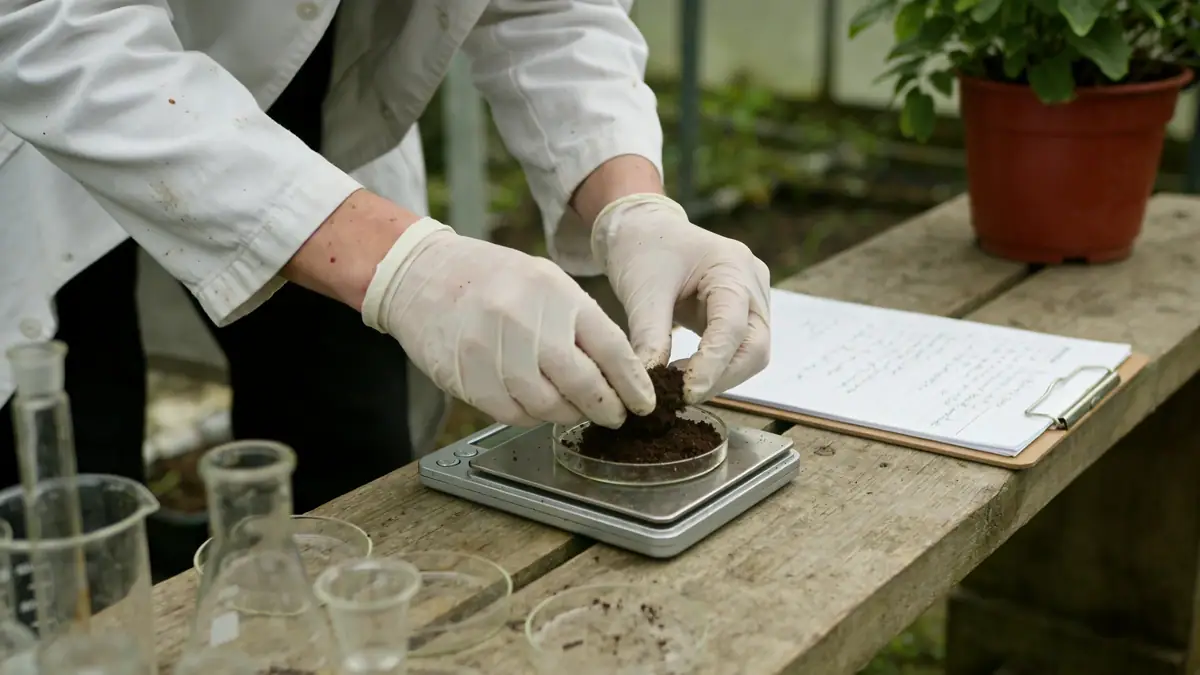
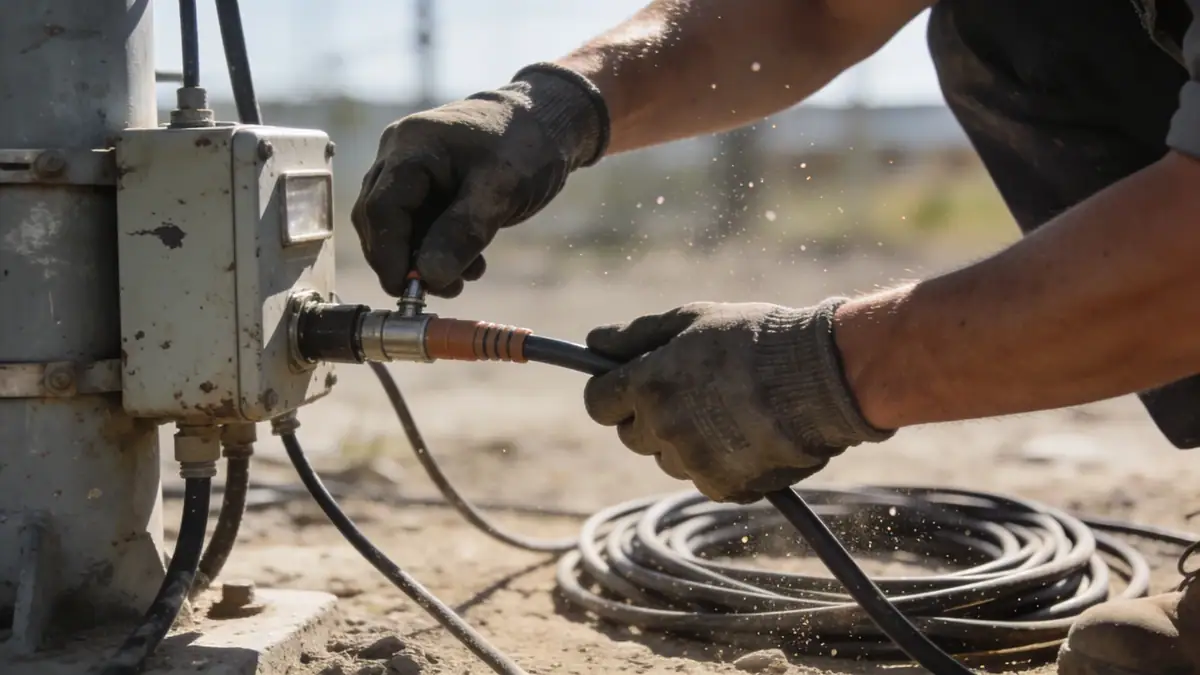
Our methodology for geotechnical engineering in Modesto integrates standard penetration testing (SPT) and soil sampling to characterize subsurface conditions. We follow ASTM D1586 for SPT procedures, with sampling intervals every 1.0 to 1.5 meters to capture stratigraphic variations. Laboratory tests, including grain size analysis (ASTM D6913) and Atterberg limits (ASTM D4318), complement field data. This approach allows our team to develop accurate soil profiles and engineering parameters, such as bearing capacity and settlement estimates, tailored to Modesto's alluvial environment. For more details on our field investigation techniques, see our spt boring services.
Reference Technical Parameters
| Parameter | Reference Value |
|---|---|
| Predominant soil type | Alluvial sand, silt, and clay with occasional gravel layers |
| Maximum seismic acceleration (PGA) | 0.3g to 0.4g (per ASCE 7-16 Site Class D) |
| Typical groundwater level | 5 to 10 meters below ground surface |
| Bedrock depth | Greater than 30 meters (deep alluvial basin) |
| Typical N60 range | 10 to 30 blows per 0.3 m (sands and clays) |
Local Considerations — Modesto
Modesto's geology consists of deep alluvial deposits from the Tuolumne River, with interbedded sands, silts, and clays. Groundwater levels typically range from 5 to 10 meters, but can be shallower near the river, requiring dewatering considerations for excavations. The region is seismically active due to nearby faults, including the San Andreas and Hayward faults, with a maximum considered earthquake (MCE) PGA of 0.4g (ASCE 7-16). Our team has observed significant variability in soil stiffness across the city, with older alluvial terraces exhibiting denser sands compared to recent floodplain deposits. For projects requiring specialized laboratory analysis, we offer soil mechanics laboratory services. Our expertise in Modesto ensures that local conditions are properly addressed in foundation design and earthwork. For broader context, our geotechnical engineering en Los Angeles operations provide additional insights applicable to California's diverse geology.
Request a Quote
Our team reviews your project and issues an initial report at no cost.
Or write us directly at [email protected]
Services in Modesto
Applicable Standards
- ASTM D1586 (Standard Penetration Test)
- ASCE 7-16 (Minimum Design Loads for Buildings and Other Structures)
- California Building Code (CBC) 2022
- ASTM D2487 (Classification of Soils for Engineering Purposes)
Frequently Asked Questions
What are the typical soil conditions in Modesto for geotechnical engineering projects?
Modesto's subsurface consists of deep alluvial soils, primarily sands, silts, and clays deposited by the Tuolumne River. These soils can vary in density and consistency, with groundwater levels typically between 5 and 10 meters. Proper characterization through SPT and laboratory testing is essential for foundation design.
How do seismic regulations affect geotechnical engineering in Modesto?
Modesto is in Seismic Design Category D per ASCE 7-16, with a maximum PGA of 0.4g. Geotechnical investigations must evaluate liquefaction potential, soil amplification, and lateral spreading hazards. Our team incorporates these factors into site-specific seismic hazard assessments to meet California Building Code requirements.
Are geotechnical studies mandatory for construction projects in Modesto?
Yes, most commercial and multi-family residential projects in Modesto require a geotechnical investigation per the California Building Code. The study must address soil bearing capacity, settlement, and seismic hazards. Local building departments typically review geotechnical reports as part of the permit process.