Methodology
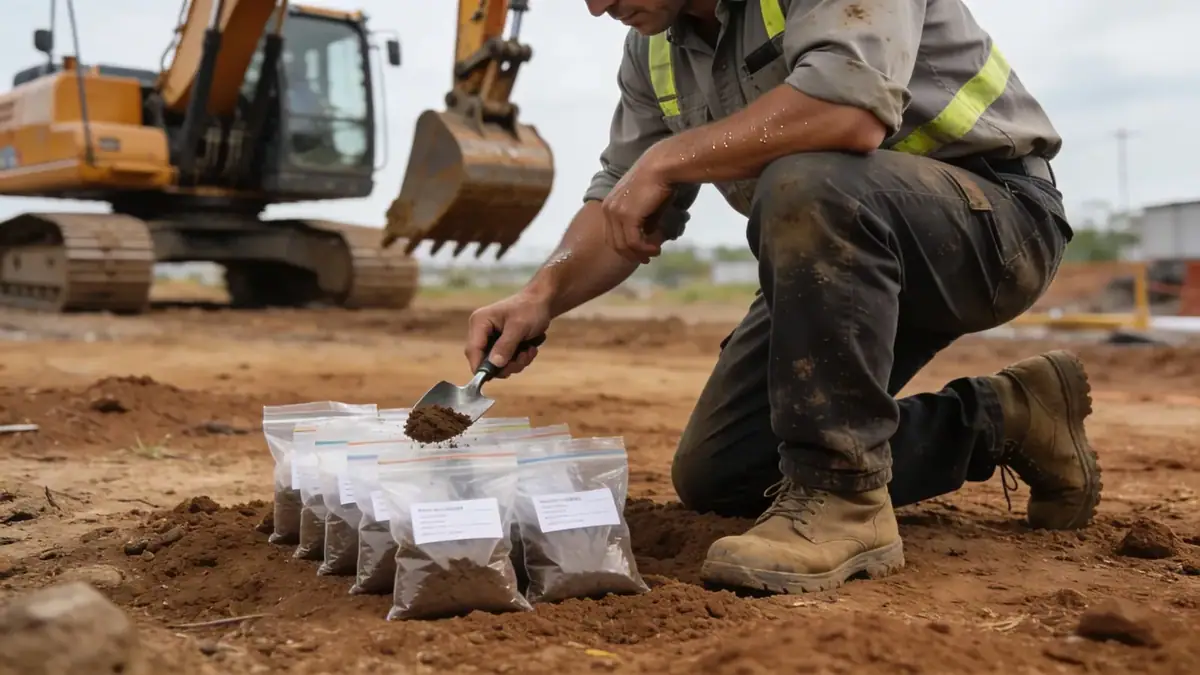
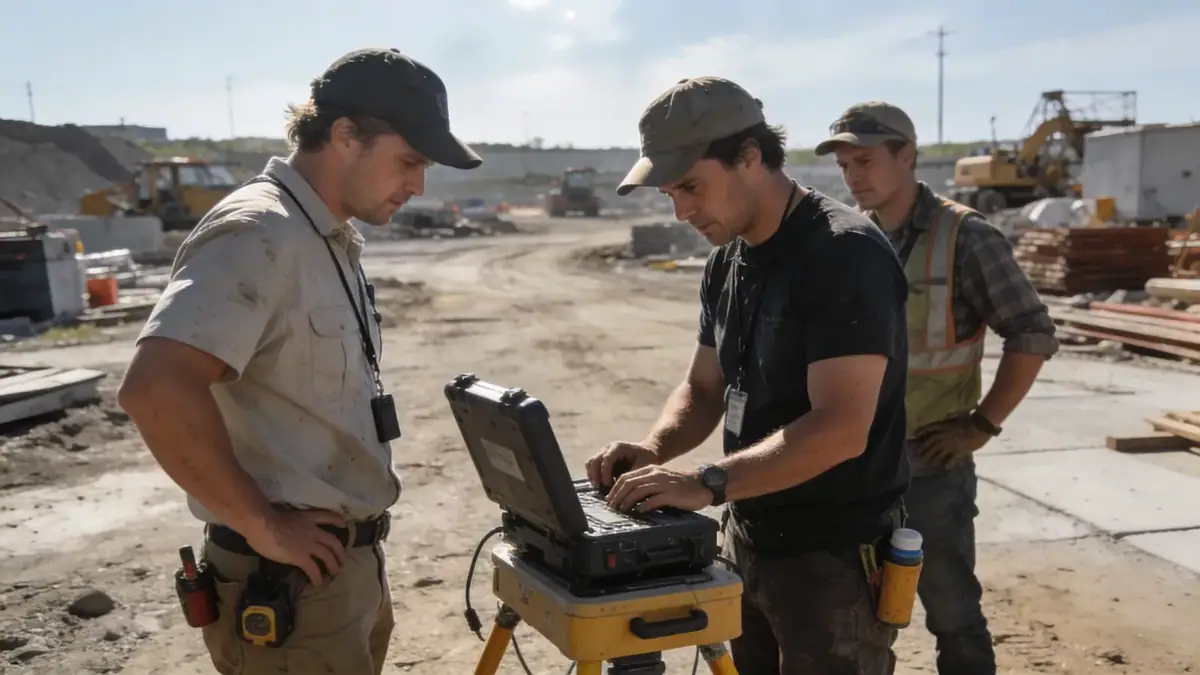
Our approach to geotechnical engineering in Milwaukee follows a systematic framework that begins with a comprehensive desktop study of existing geological maps and boring logs. We then execute a field exploration program using spt boring in accordance with ASTM D1586 to obtain soil samples and measure N60 values at 1.5-meter intervals. This is complemented by cone penetration tests (CPT) for continuous profiling of stratigraphy and strength. In our soil mechanics laboratory, we classify soils via sieve and hydrometer analyses (ASTM D6913/D7928), determine Atterberg limits, and perform direct shear tests (ASTM D3080) to derive shear strength parameters. Consolidation tests (ASTM D2435) assess compressibility. The data are synthesized into a geotechnical model that informs foundation design, slope stability, and earth retention recommendations, all calibrated to Milwaukee's glacial till and clay sequences.
Reference Technical Parameters
| Parameter | Reference Value |
|---|---|
| Predominant soil type | Glacial till (silty sand to clay) and lacustrine clay |
| Maximum seismic acceleration (PGA) | 0.15g (ASCE 7-16, Site Class D) |
| Typical groundwater level | 2–6 m below ground surface |
| Bedrock depth | 15–30 m (Niagara dolomite) |
| Typical N60 range | 5–35 blows/0.3 m (varies with till density) |
Local Considerations — Milwaukee
Milwaukee's subsurface is dominated by glacial till and lacustrine deposits from the Pleistocene glaciation, with the Niagara dolomite bedrock at depths of 15–30 m. The water table is typically shallow (2–6 m), requiring dewatering considerations for excavations. Seismic hazard is moderate (PGA ~0.15g per ASCE 7-16 Site Class D), necessitating liquefaction assessment in loose saturated sands. In the downtown area, fill and buried foundations from past industrial activity complicate new construction. Our team has extensive experience addressing these conditions, including retrofit solutions for existing structures. For broader regional context, see our geotechnical engineering in Chicago page, which covers similar glacial geology and seismic criteria.
Request a Quote
Our team reviews your project and issues an initial report at no cost.
Or write us directly at [email protected]
Services in Milwaukee
Applicable Standards
- ASTM D1586 (Standard Test Method for Standard Penetration Test)
- ASCE 7-16 (Minimum Design Loads and Associated Criteria for Buildings and Other Structures)
- IBC 2021 (International Building Code, adopted by Wisconsin)
- Wisconsin Administrative Code SPS 361–366 (Commercial Building Code)
Frequently Asked Questions
What are the typical soil conditions in Milwaukee?
Milwaukee's soils are predominantly glacial till (silty sand to clay) and lacustrine clays, with occasional outwash sands and gravels. The Niagara dolomite bedrock lies at depths of 15–30 m. Groundwater is typically encountered at 2–6 m depth. These conditions require careful evaluation of bearing capacity, settlement, and groundwater control.
What seismic design criteria apply in Milwaukee?
Milwaukee is in Seismic Design Category B per ASCE 7-16, with a maximum considered earthquake (MCE) spectral acceleration of 0.15g for Site Class D. Structures must comply with IBC 2021 seismic provisions, including soil liquefaction assessment for loose saturated sands and proper detailing for lateral loads.
Are geotechnical studies mandatory for construction in Milwaukee?
Yes, the Wisconsin Commercial Building Code (SPS 361–366) requires a geotechnical investigation for most commercial and multi-family structures. The investigation must characterize subsurface conditions, provide foundation recommendations, and address groundwater and seismic hazards. Single-family homes on undisturbed native soil may be exempt, but a study is strongly advised.