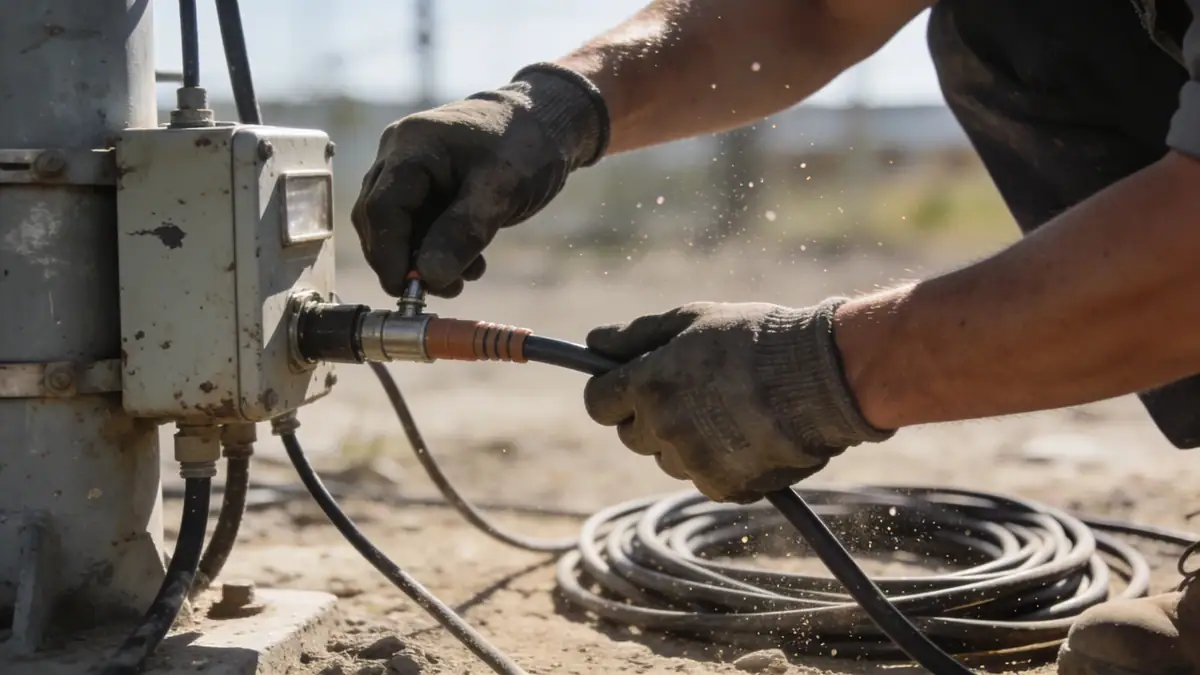
Methodology
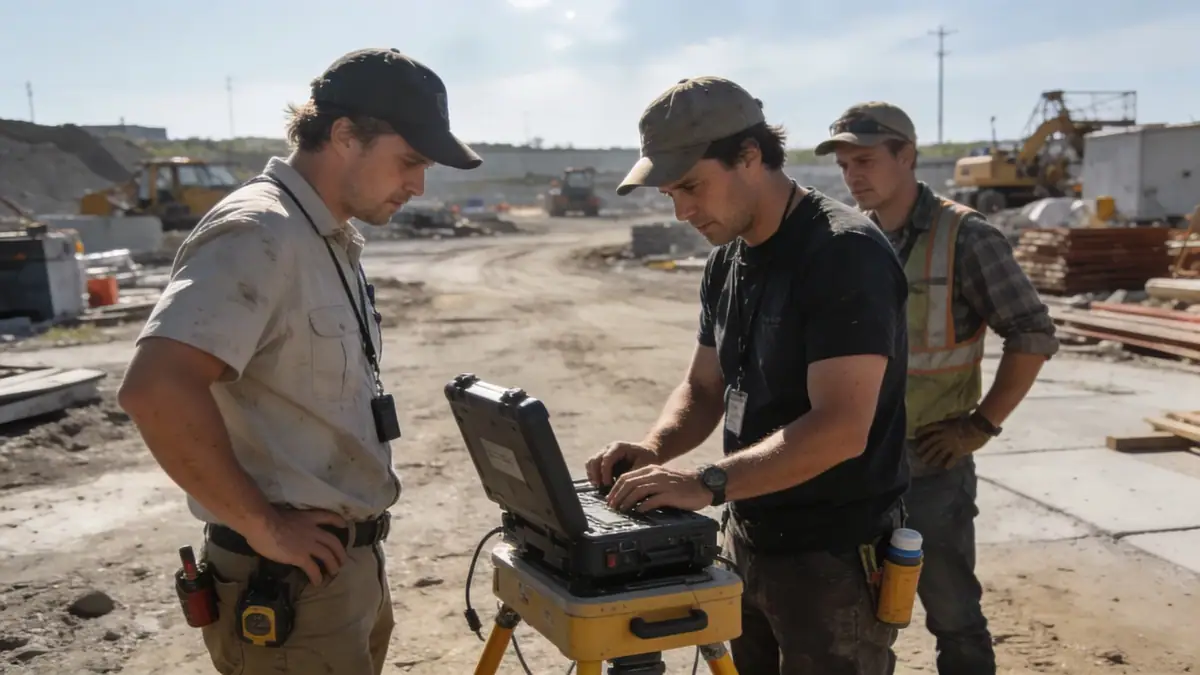
Our approach to geotechnical engineering in Memphis integrates field investigations and laboratory testing to characterize subsurface conditions. We conduct standard penetration tests in accordance with ASTM D1586, with sampling intervals typically every 1.0 to 1.5 meters to a depth of 8 to 15 meters for residential projects and up to 30 meters for industrial sites. Our spt boring program provides continuous soil profiles, while laboratory analyses determine index properties and strength parameters. This data informs foundation design and seismic hazard mitigation strategies.
Reference Technical Parameters
| Parameter | Reference Value |
|---|---|
| Predominant soil type | Alluvial silts and clays, with sand and gravel lenses |
| Maximum seismic acceleration (PGA) | 0.2–0.4 g (based on ASCE 7 hazard maps for New Madrid Seismic Zone) |
| Typical groundwater level | 2–6 m below ground surface |
| Bedrock depth | Variable, 50–200 m (deep unconsolidated sediments) |
| Typical N60 range (SPT) | 4–15 in cohesive soils; 10–30 in granular soils |
Local Considerations — Memphis
Memphis lies within the New Madrid Seismic Zone, requiring site-specific seismic hazard assessments per ASCE 7. The Mississippi River alluvial plain consists of soft clays and silts with high plasticity, often underlain by loose sands prone to liquefaction. Groundwater levels are shallow (2–6 m), impacting excavation and foundation design. Urban areas such as Downtown Memphis contrast with suburban loess deposits, necessitating varied geotechnical approaches. Common challenges include settlement on compressible clays and lateral spreading during seismic events. Our team applies local expertise to these conditions, with additional support from our geotechnical engineering en Atlanta hub for regional coordination. We also utilize slope stability analyses for riverbank and levee projects.
Request a Quote
Our team reviews your project and issues an initial report at no cost.
Or write us directly at [email protected]
Services in Memphis
Applicable Standards
- ASTM D1586 (Standard Penetration Test)
- ASCE 7 (Minimum Design Loads for Buildings and Other Structures)
- International Building Code (IBC) with seismic provisions
- Memphis and Shelby County building codes
Frequently Asked Questions
What soil conditions are typical for geotechnical engineering projects in Memphis?
Memphis predominantly features alluvial soils from the Mississippi River, including soft clays, silts, and loose sands. These soils often have high plasticity and shallow groundwater, requiring careful evaluation for settlement and seismic hazards.
How does the New Madrid Seismic Zone affect geotechnical engineering in Memphis?
The seismic zone imposes high ground acceleration values (0.2–0.4 g) per ASCE 7. Geotechnical studies must assess liquefaction potential, lateral spreading, and dynamic soil properties to design earthquake-resistant foundations.
Are geotechnical studies mandatory for construction in Memphis?
Yes, the Memphis and Shelby County building codes require geotechnical investigations for most structures, especially in seismic zones. A site-specific report is typically needed to determine soil bearing capacity and seismic design parameters.