Methodology
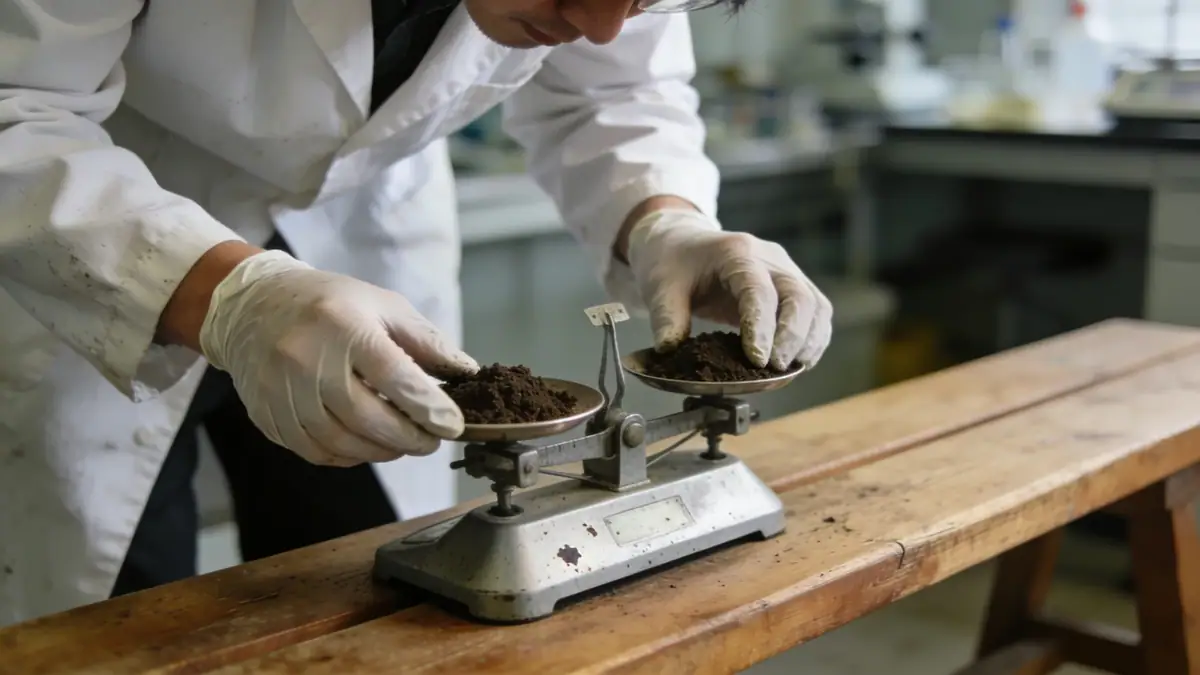
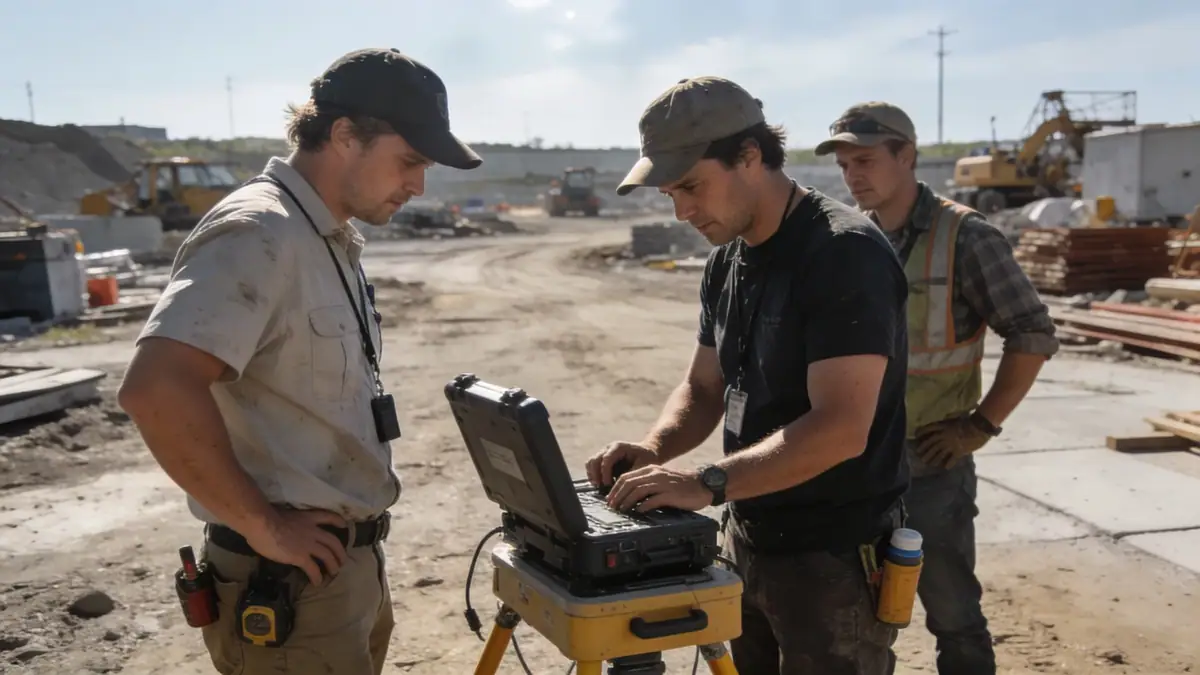
Our approach to geotechnical engineering in Madison integrates field exploration, laboratory testing, and analytical modeling. Field programs typically involve spt boring in accordance with ASTM D1586 to obtain soil samples and measure penetration resistance. This data is supplemented by cone penetration testing and test pits for shallow investigations. Laboratory analyses, including grain size distribution and Atterberg limits, follow ASTM D6913 and D4318. We then develop site-specific soil profiles and engineering parameters, using numerical methods for slope stability and settlement analyses. This systematic methodology ensures our recommendations are technically sound and compliant with local building codes.
Reference Technical Parameters
| Parameter | Reference Value |
|---|---|
| Predominant soil type | Glacial till (silty clay to sandy silt) with interbedded lacustrine clay and sand lenses |
| Maximum seismic acceleration (PGA) | 0.12g to 0.18g (ASCE 7-16 Site Class D) |
| Typical groundwater level | 3 to 8 meters below ground surface, varies seasonally |
| Bedrock depth | 20 to 40 meters (dolomite and sandstone formations) |
| Typical N60 range (SPT) | 10 to 40 blows per 0.3 m (glacial till); 5 to 15 blows per 0.3 m (lacustrine clay) |
Local Considerations — Madison
Madison's geology is dominated by glacial till and lacustrine deposits from Pleistocene glaciations. The till is generally dense and provides competent bearing strata, but localized soft clay layers can cause differential settlement. Groundwater is often perched within sand lenses, requiring dewatering for excavations. Seismic design follows ASCE 7-16, with Site Class D typical and PGA values of 0.12g–0.18g. In the downtown area, fill and buried utilities complicate foundation conditions. For projects near Lake Mendota or Lake Monona, high water tables and organic soils demand specialized soil mechanics laboratory testing. Our firm has addressed these challenges on numerous projects, from high-rise structures to transportation infrastructure. For regional context, our team also provides geotechnical engineering in Chicago, where similar glacial deposits are encountered.
Request a Quote
Our team reviews your project and issues an initial report at no cost.
Or write us directly at [email protected]
Services in Madison
Applicable Standards
- ASTM D1586 (Standard Test Method for Standard Penetration Test)
- ASCE 7-16 (Minimum Design Loads and Associated Criteria for Buildings and Other Structures)
- International Building Code (IBC) 2018
- Wisconsin Administrative Code (Comm 21, 62, 83)
Frequently Asked Questions
What are the typical soil conditions for geotechnical engineering in Madison?
Madison soils are primarily glacial till (silty clay to sandy silt) with interbedded lacustrine clays and sand lenses. Depth to bedrock varies from 20 to 40 meters. Groundwater is typically 3–8 meters deep but can be shallower near lakes. These conditions require careful evaluation for foundation design.
What seismic design standards apply to Madison geotechnical projects?
Madison falls under Seismic Design Category B per ASCE 7-16, with a maximum considered earthquake (MCE) spectral acceleration of about 0.12g–0.18g for Site Class D. Structures must comply with IBC 2018 seismic provisions, including site-specific ground motion analysis for critical facilities.
Are geotechnical studies mandatory for construction in Madison?
While not always legally mandated for single-family homes, most municipalities in Dane County require a geotechnical report for commercial buildings and subdivisions. The Wisconsin Administrative Code and local building officials often stipulate subsurface investigations to ensure public safety and foundation performance.