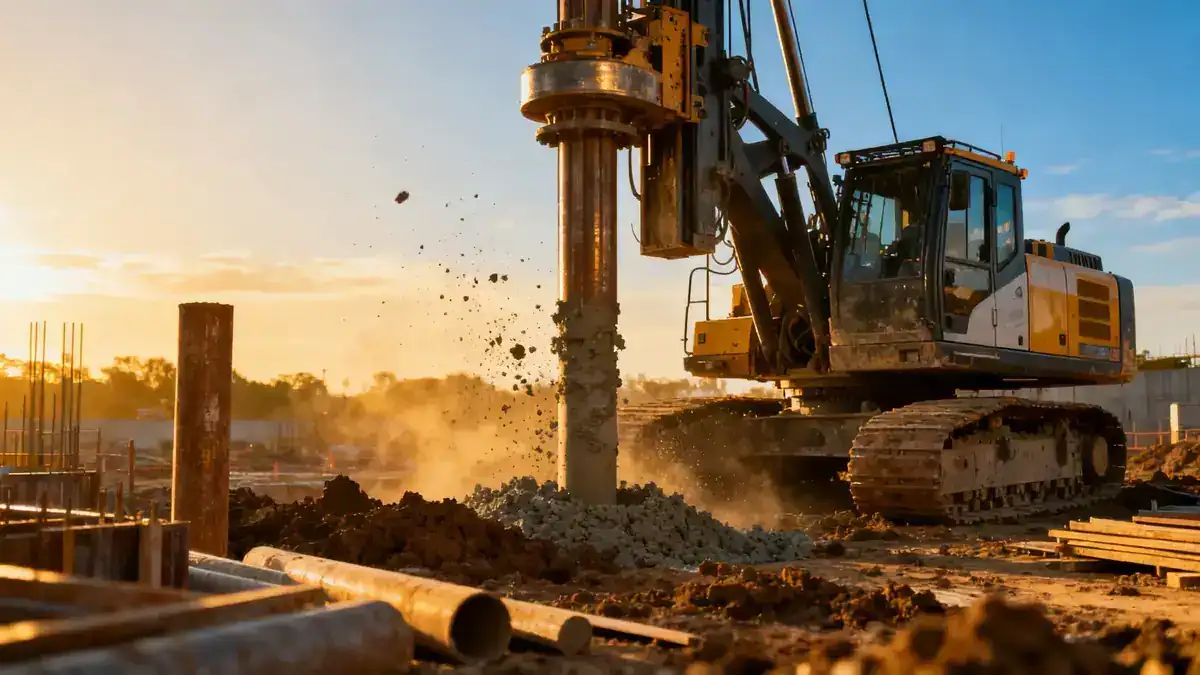
Methodology
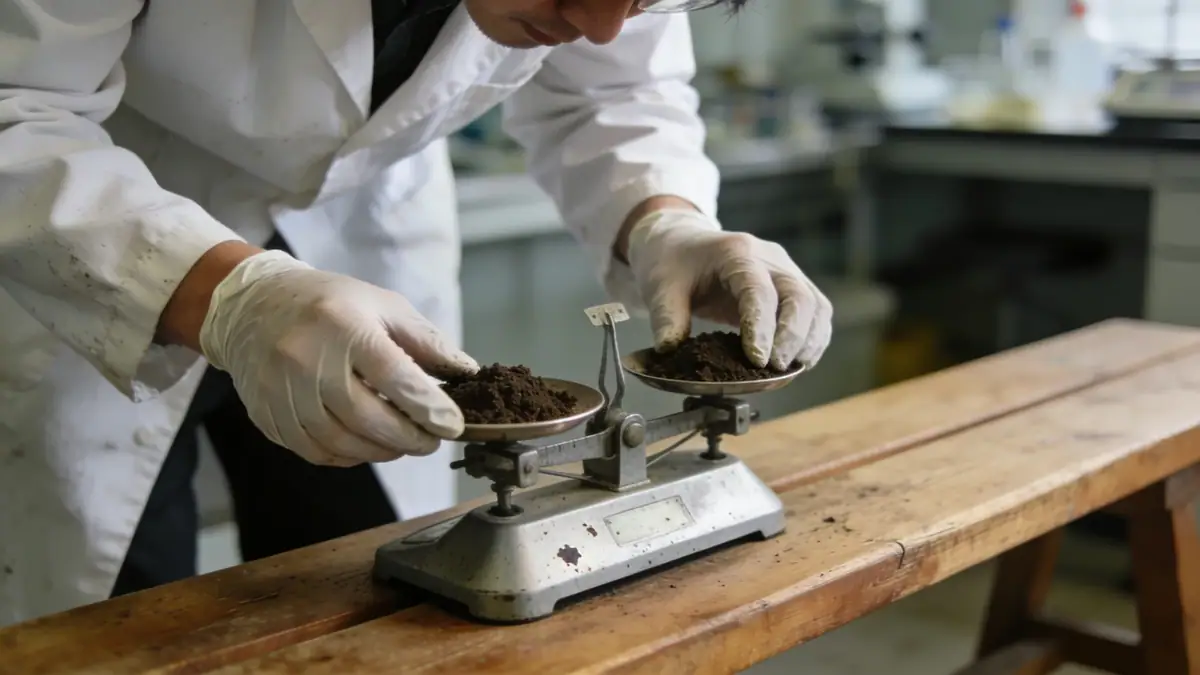
Our methodology integrates field investigation, laboratory testing, and numerical analysis to characterize subsurface conditions in Louisville. We deploy SPT boring to obtain soil samples and in-situ strength parameters, complemented by geophysical surveys where needed. In our soil mechanics laboratory, we perform index properties, consolidation, and shear strength tests following ASTM standards. Data interpretation incorporates local geological models and empirical correlations to generate design parameters for foundations, retaining walls, and slope stability. All work adheres to a quality management system ensuring traceability and repeatability.
Reference Technical Parameters
| Parameter | Reference Value |
|---|---|
| Predominant soil type | Alluvial silts, sands, and gravels with clay lenses |
| Maximum seismic acceleration (PGA) | 0.15–0.30 g (ASCE 7-16) |
| Typical groundwater level | 3–8 m below ground surface, locally shallower |
| Bedrock depth | 10–30 m (shallow in eastern Louisville) |
| Typical N60 range (SPT) | 5–30 blows/300 mm in cohesive soils |
Local Considerations — Louisville
Louisville's geology is dominated by Ohio River alluvial deposits overlying Devonian limestone and shale. The city lies in seismic zone 2 (ASCE 7), with moderate ground motion potential. Groundwater fluctuates seasonally, requiring careful dewatering plans. Eastern neighborhoods (e.g., Middletown) feature shallow bedrock, while western areas have deeper alluvium. Typical challenges include collapsible soils and expansive clays. Our team coordinates with local authorities and references geotechnical engineering en Chicago for regional expertise, adapting methods to Louisville's specific conditions. We also address slope stability concerns in areas with steep riverbanks.
Request a Quote
Our team reviews your project and issues an initial report at no cost.
Or write us directly at [email protected]
Services in Louisville
Applicable Standards
- ASTM D1586 (Standard Test Method for SPT)
- ASCE 7-16 (Minimum Design Loads and Associated Criteria)
- IBC 2021 (International Building Code)
- Louisville Metro Building Code (local amendments)
Frequently Asked Questions
What are the most common soil types encountered in Louisville geotechnical projects?
Louisville's subsurface typically consists of alluvial silts, sands, and gravels deposited by the Ohio River, underlain by clay layers and limestone bedrock. In eastern areas, shallow bedrock is common, while western zones have deeper alluvial profiles.
Does Louisville have specific seismic design requirements?
Yes, Louisville is in Seismic Design Category B per ASCE 7-16, with peak ground accelerations of 0.15–0.30 g. Geotechnical reports must include site class determination and liquefaction potential assessment for essential facilities.
Are geotechnical studies mandatory for construction in Louisville?
The Louisville Metro Building Code requires a geotechnical investigation for most new structures, especially those with shallow foundations or in areas with known soil hazards. A geotechnical report is typically submitted with the permit application.