
Methodology
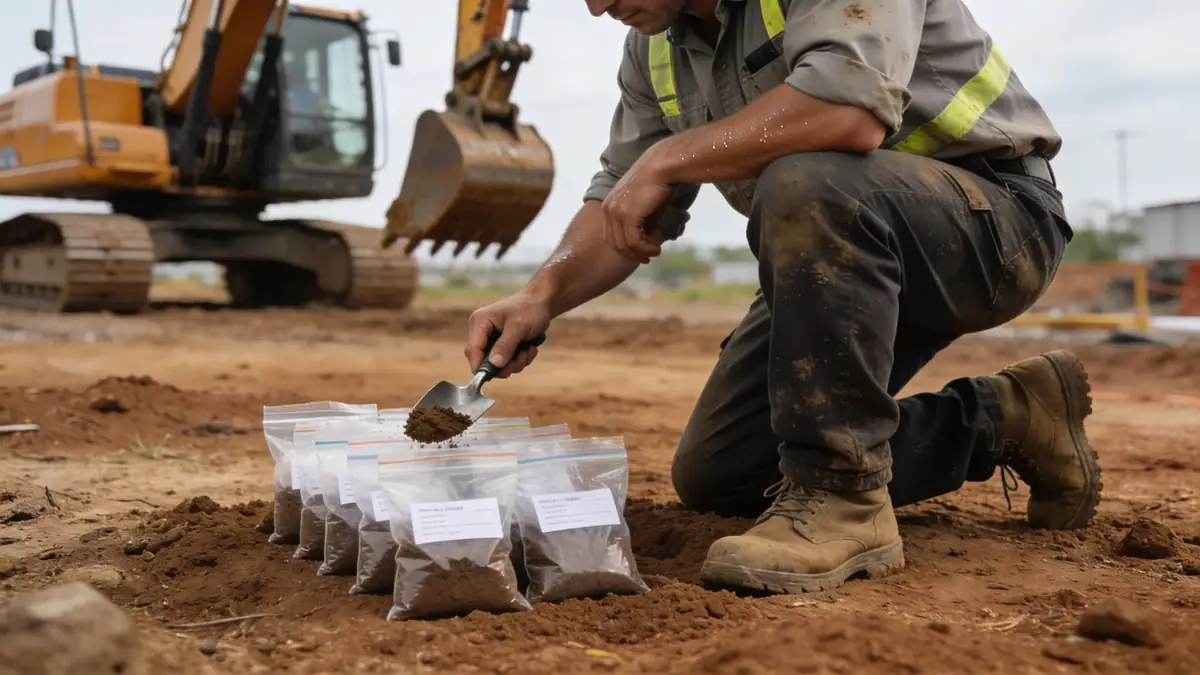
Our methodology for geotechnical engineering in Long Beach begins with a comprehensive review of existing geologic maps and nearby project records. We then conduct field investigations, including spt boring to characterize subsurface stratigraphy and collect disturbed and undisturbed samples. In the laboratory, our soil mechanics laboratory performs index properties, strength, and consolidation tests following ASTM standards. For seismic sites, we evaluate liquefaction potential using cyclic resistance ratios derived from SPT N-values. All data is integrated into a geotechnical report that outlines foundation recommendations, seismic design parameters, and construction considerations. This systematic approach has been refined through numerous projects in Long Beach, ensuring cost-effective and safe designs.
Reference Technical Parameters
| Parameter | Reference Value |
|---|---|
| Predominant soil type | Alluvial sands, silts, and clays with interbedded gravels |
| Maximum seismic acceleration (PGA) | 0.4g to 0.6g (ASCE 7-16, Site Class D) |
| Typical groundwater level | 3 to 15 feet below ground surface, variable seasonally |
| Bedrock depth | Over 100 feet in most areas, shallow near Signal Hill |
| Typical N60 range | 5 to 30 blows/ft for sands; 2 to 15 for clays (ASTM D1586) |
Local Considerations — Long Beach
Long Beach lies within the Los Angeles Basin, underlain by deep alluvial deposits from the San Gabriel and Los Angeles rivers. The water table is shallow near the coast, often within 5 feet, requiring dewatering or specialized foundation systems. Liquefaction hazard is high in southern and western areas due to loose sands and high seismicity. Downtown and the port area have variable fill and compressible clays. In contrast, the Signal Hill area features shallow bedrock, allowing spread footings. Our team has addressed these conditions in numerous projects, including residential developments and port infrastructure. For broader context, see our geotechnical engineering in Los Angeles page.
Request a Quote
Our team reviews your project and issues an initial report at no cost.
Or write us directly at [email protected]
Services in Long Beach
Applicable Standards
- California Building Code (CBC) based on ASCE 7-16
- ASTM D1586 (Standard Penetration Test)
- ASTM D2487 (Unified Soil Classification System)
- ASTM D2435 (One-Dimensional Consolidation)
Frequently Asked Questions
What are the typical soil conditions for geotechnical engineering in Long Beach?
Long Beach soils consist mainly of alluvial sands, silts, and clays from the Los Angeles River delta. Groundwater is shallow, often 3-10 feet deep. Loose sands in coastal areas pose liquefaction risks, while clays may be compressible. Bedrock is deep except near Signal Hill.
Is a geotechnical investigation required for all construction in Long Beach?
Yes, the California Building Code mandates a geotechnical investigation for most new construction and major renovations, especially in Seismic Design Categories D and E. Local jurisdictions in Long Beach typically require a site-specific report to address liquefaction, settlement, and foundation design.
How does seismic activity affect geotechnical engineering in Long Beach?
Long Beach is in a high seismic zone with peak ground accelerations up to 0.6g. Liquefaction, lateral spreading, and fault rupture are key concerns. Geotechnical studies must evaluate these hazards and provide design parameters such as site class, amplification factors, and liquefaction mitigation measures.