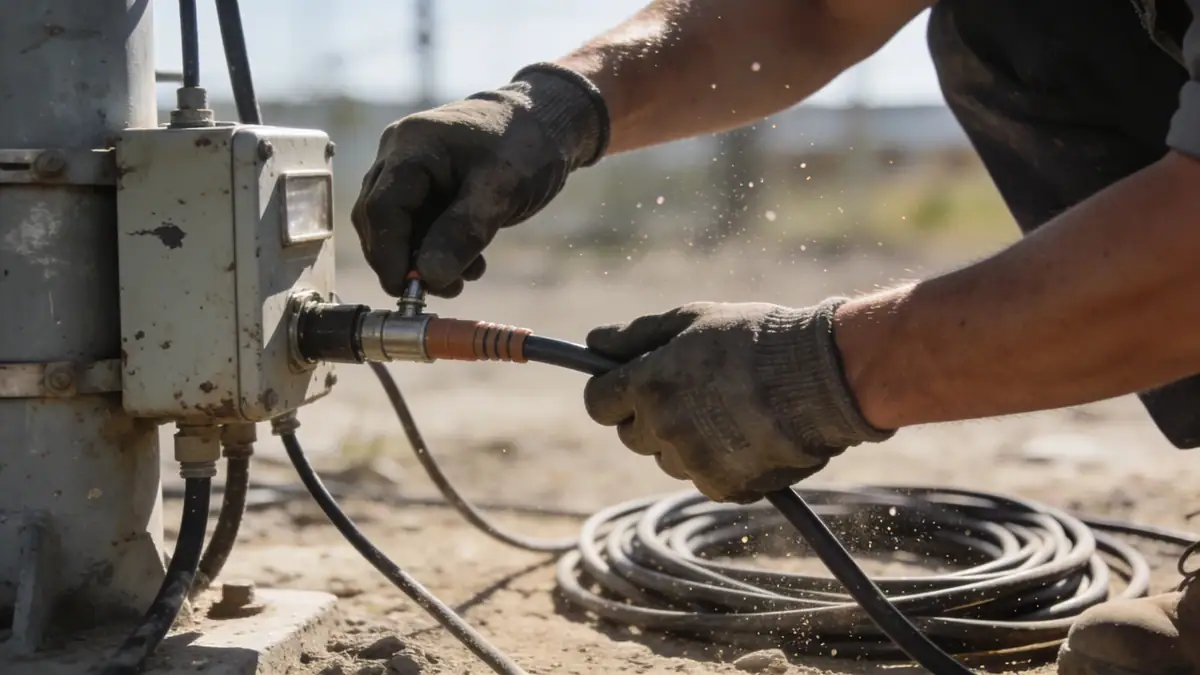
Methodology
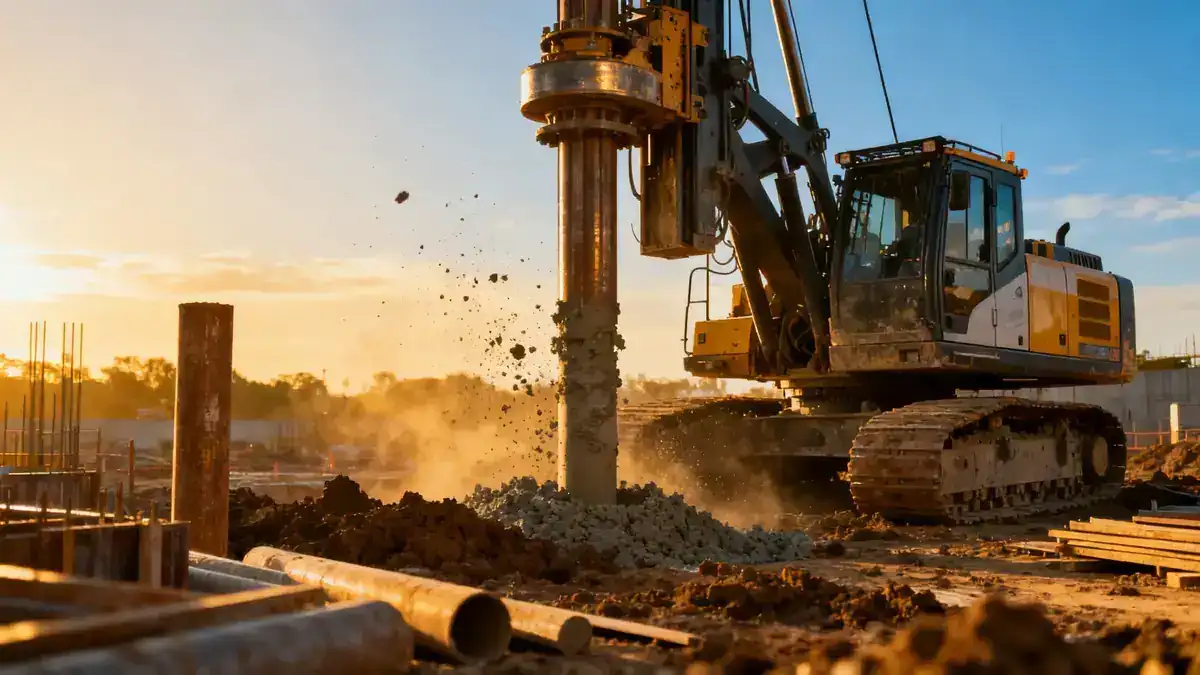
Our methodology in Lexington integrates field exploration, laboratory testing, and advanced analysis to characterize subsurface conditions. We typically perform spt boring in accordance with ASTM D1586 to obtain soil samples and measure resistance at 1.5-meter intervals, reaching depths of 10 to 30 meters depending on project requirements. In karst-prone areas, we supplement borings with geophysical surveys to detect voids. Laboratory tests, including Atterberg limits and direct shear, follow ASTM D4318 and D3080, respectively. This systematic approach delivers reliable parameters for foundation and earthwork design, reducing uncertainty in variable ground conditions.
Reference Technical Parameters
| Parameter | Reference Value |
|---|---|
| Predominant soil type | Silty clay and clayey silt with limestone bedrock |
| Maximum seismic acceleration (PGA) | 0.2g (IBC Site Class D) |
| Typical groundwater level | 3–8 m below grade |
| Bedrock depth | 5–20 m (variable due to karst) |
| Typical N60 range | 10–30 blows/0.3 m |
Local Considerations — Lexington
Lexington's geology is dominated by the Lexington Limestone formation, which features karst topography with sinkholes and solution channels. The soil profile typically consists of residual silty clays overlying weathered limestone, with groundwater levels fluctuating seasonally. Seismic design per ASCE 7 requires Site Class D for much of the area, with a PGA of 0.2g. Older neighborhoods like Chevy Chase may have shallow bedrock, while new developments in Hamburg Pavilion often encounter deeper soils and higher groundwater. Common projects include residential foundations, commercial strip malls, and retaining walls for sloped lots. Our team in Lexington coordinates with local geologists to address karst hazards and ensure regulatory compliance. For headquarters support, we rely on our geotechnical engineering en Atlanta office for specialized review and quality control.
Request a Quote
Our team reviews your project and issues an initial report at no cost.
Or write us directly at [email protected]
Services in Lexington
Applicable Standards
- IBC (International Building Code)
- ASCE 7 (Seismic Load Provisions)
- ASTM D1586 (Standard Penetration Test)
- ASTM D2487 (Soil Classification)
- Kentucky Building Code (KBC)
Frequently Asked Questions
What are the typical soil conditions in Lexington for foundation design?
Soils in Lexington generally consist of residual silty clays and clayey silts overlying limestone bedrock. Depth to bedrock varies from 5 to 20 meters due to karst features. Groundwater is typically encountered at 3–8 meters. Foundation design must account for variable bearing capacity and potential for sinkholes.
Is seismic design required for structures in Lexington?
Yes, the IBC and ASCE 7 classify Lexington as a moderate seismic zone with a PGA of 0.2g. Site Class D is common, requiring consideration of soil amplification. Most commercial and multi-family structures need seismic design per the adopted Kentucky Building Code, including detailing for ductility and drift control.
Are geotechnical investigations mandatory for construction in Lexington?
While not universally required for all single-family homes, the Kentucky Building Code mandates geotechnical investigations for commercial, industrial, and multi-family projects. Local jurisdictions often require soil reports for permits when karst features or slopes are present. Our firm recommends site-specific studies to mitigate risk and optimize design.