Methodology
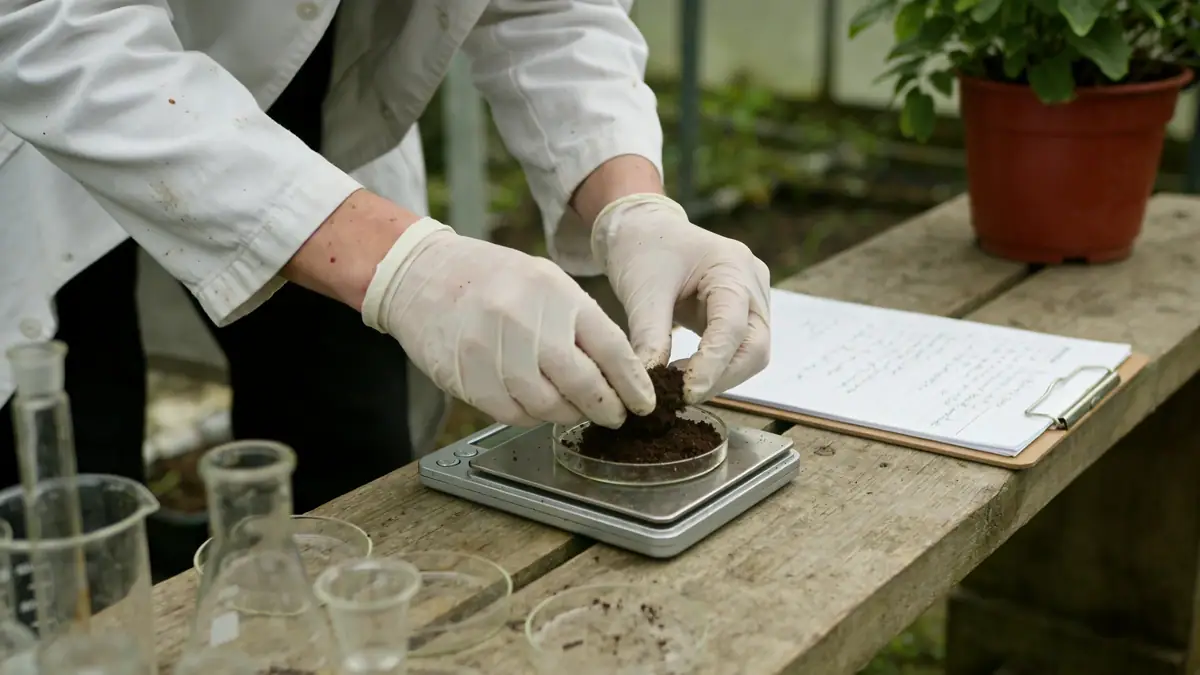
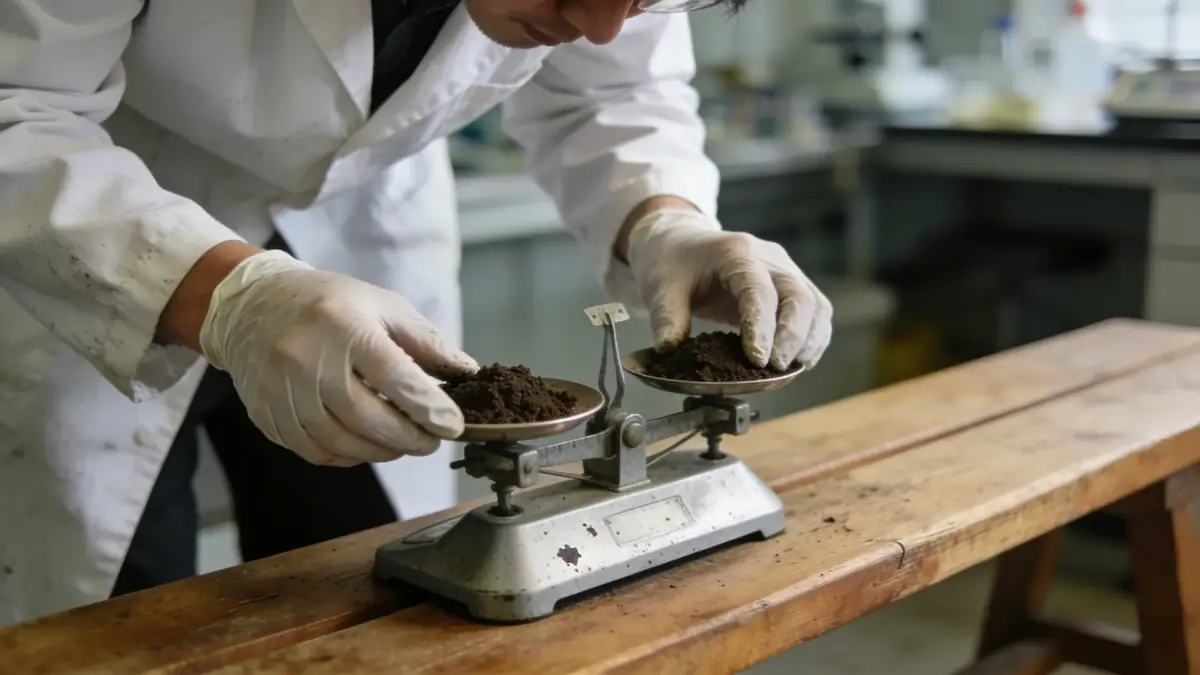
Our methodology for geotechnical engineering in League City begins with a comprehensive site reconnaissance to identify surface drainage, existing structures, and geological clues. We then perform a phased subsurface investigation using spt boring to obtain disturbed and undisturbed samples at regular intervals, typically every 1.5 m per ASTM D1586. In areas with high groundwater, we employ sealed sampling techniques to preserve moisture content. Laboratory testing follows on representative samples to measure index properties, shear strength, and consolidation characteristics. All data are integrated into a geotechnical model that accounts for the city's variable clay layers and perched water tables. This systematic approach allows us to deliver cost-effective foundation solutions tailored to each site's unique conditions.
Reference Technical Parameters
| Parameter | Reference Value |
|---|---|
| Predominant soil type | Stiff to very stiff clay (Beaumont Formation) |
| Maximum seismic acceleration (PGA) | 0.10g to 0.15g (ASCE 7 Site Class D) |
| Typical groundwater level | 2 to 5 m below grade |
| Bedrock depth | >100 m (deep sedimentary basin) |
| Typical N60 range (SPT) | 10 to 30 blows/ft in clay, 5 to 15 in loose sand |
Local Considerations — League City
League City lies within the Gulf Coast Plain, underlain by the Beaumont Formation—highly plastic clays with high shrink-swell potential. Expansive soils cause seasonal ground movement, requiring deep foundations or soil treatment for light structures. Seismic hazard is low to moderate, but site amplification due to soft soils must be considered per ASCE 7. Groundwater is shallow near Clear Creek and Galveston Bay, demanding dewatering and hydrostatic uplift analysis. Our team collaborates with soil mechanics laboratory services to quantify swelling pressures and consolidation rates, ensuring durable designs for League City's variable conditions. We also provide slope stability assessments for subdivisions near drainage channels.
Request a Quote
Our team reviews your project and issues an initial report at no cost.
Or write us directly at [email protected]
Services in League City
Applicable Standards
- ASTM D1586 (Standard Penetration Test)
- ASCE 7 (Minimum Design Loads for Buildings)
- International Building Code (IBC)
- City of League City Stormwater Design Manual
Frequently Asked Questions
What are the typical soil conditions in League City for foundation design?
League City soils consist primarily of stiff to very stiff clays from the Beaumont Formation, with occasional sand lenses. These clays are highly plastic and expansive, posing risks of differential movement. Shallow groundwater is common near Clear Creek. Foundation designs often require drilled piers or post-tensioned slabs to mitigate swelling and settlement.
Are geotechnical studies required for residential construction in League City?
Yes, the City of League City typically requires a geotechnical report for new residential construction, especially when expansive soils are present. The report must characterize soil properties, provide foundation recommendations, and address drainage to comply with local building codes. Our firm can perform the necessary investigations to meet these requirements.
How does seismic activity affect geotechnical engineering in League City?
League City is in a low-seismic region, but soft soils can amplify ground motions. Per ASCE 7, Site Class D is common, requiring site-specific response spectra. Peak ground accelerations range from 0.10g to 0.15g. Our analyses include liquefaction potential in sandy layers and cyclic softening in clays to ensure safe design.