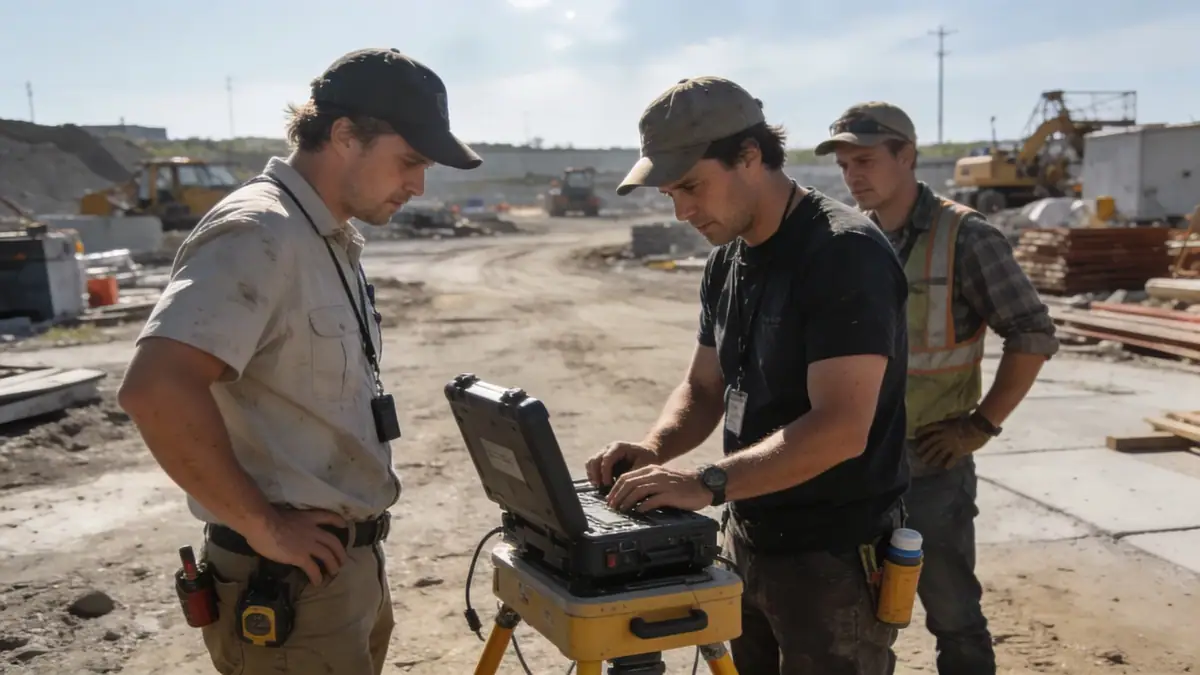
Methodology
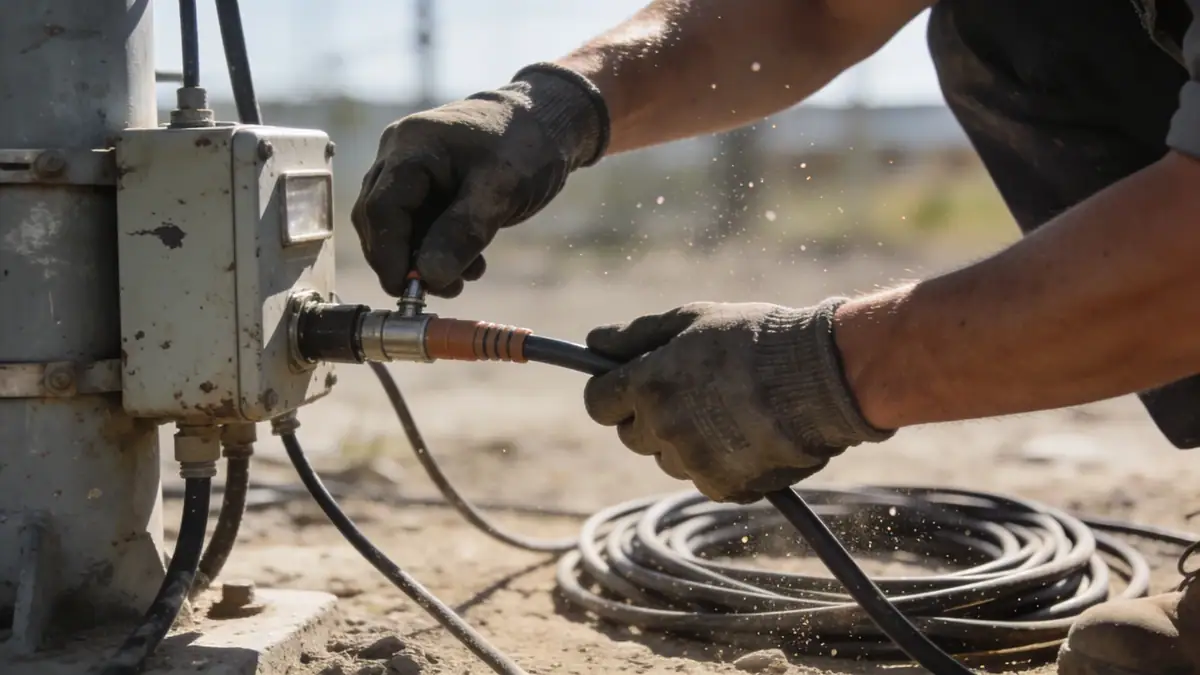
Our approach to geotechnical engineering in Las Vegas integrates field investigations, laboratory testing, and advanced analysis. We conduct spt boring to recover disturbed and undisturbed samples, following ASTM D1586 for standard penetration tests. Soil classification includes sieve and hydrometer analysis per ASTM D6913 and D7928, while compaction characteristics are evaluated via Proctor tests (ASTM D698). For seismic design, we assess site-specific ground motion parameters using ASCE 7-16, considering the region's moderate seismicity. Each project follows a phased methodology: site reconnaissance, subsurface exploration, laboratory testing, engineering analysis, and deliverable preparation.
Reference Technical Parameters
| Parameter | Reference Value |
|---|---|
| Predominant soil type | Alluvial sand, silt, and gravel with caliche layers |
| Maximum seismic acceleration (PGA) | 0.2g to 0.3g (ASCE 7-16, Site Class D) |
| Typical groundwater level | 15 to 30 meters below ground surface |
| Bedrock depth | 50 to 100 meters (variable) |
| Typical N60 range | 10 to 50 blows per 0.3m |
Local Considerations — Las Vegas
Las Vegas is underlain by Quaternary alluvial deposits derived from the surrounding mountain ranges, primarily composed of sands, silts, and gravels with occasional cemented caliche horizons. The water table is typically deep, exceeding 15 meters, reducing liquefaction risk but requiring careful dewatering for deep excavations. Seismic hazard is moderate, with peak ground accelerations of 0.2–0.3g per ASCE 7-16. Older developments near the Strip may have fill soils requiring compaction testing, while newer master-planned communities on the outskirts encounter variable bedrock depths. For regional perspectives, see our work on geotechnical engineering en Los Angeles.
Request a Quote
Our team reviews your project and issues an initial report at no cost.
Or write us directly at [email protected]
Services in Las Vegas
Applicable Standards
- ASTM D1586
- ASCE 7-16
- IBC 2021
- Clark County Code Title 16
Frequently Asked Questions
What soil types are common in Las Vegas?
The predominant soils are alluvial sands, silts, and gravels, often with cemented caliche layers. These materials can be collapsible or expansive in certain areas, requiring site-specific testing per ASTM standards.
Is seismic design mandatory for projects in Las Vegas?
Yes, Clark County enforces seismic design per the International Building Code and ASCE 7-16. Las Vegas falls in Seismic Design Category C to D, requiring site-specific ground motion analysis for most structures.
Are geotechnical investigations required for residential construction?
Yes, Clark County Code Title 16 mandates geotechnical reports for all new residential subdivisions and many single-family homes, especially on hillsides or in areas with known soil hazards.