Methodology
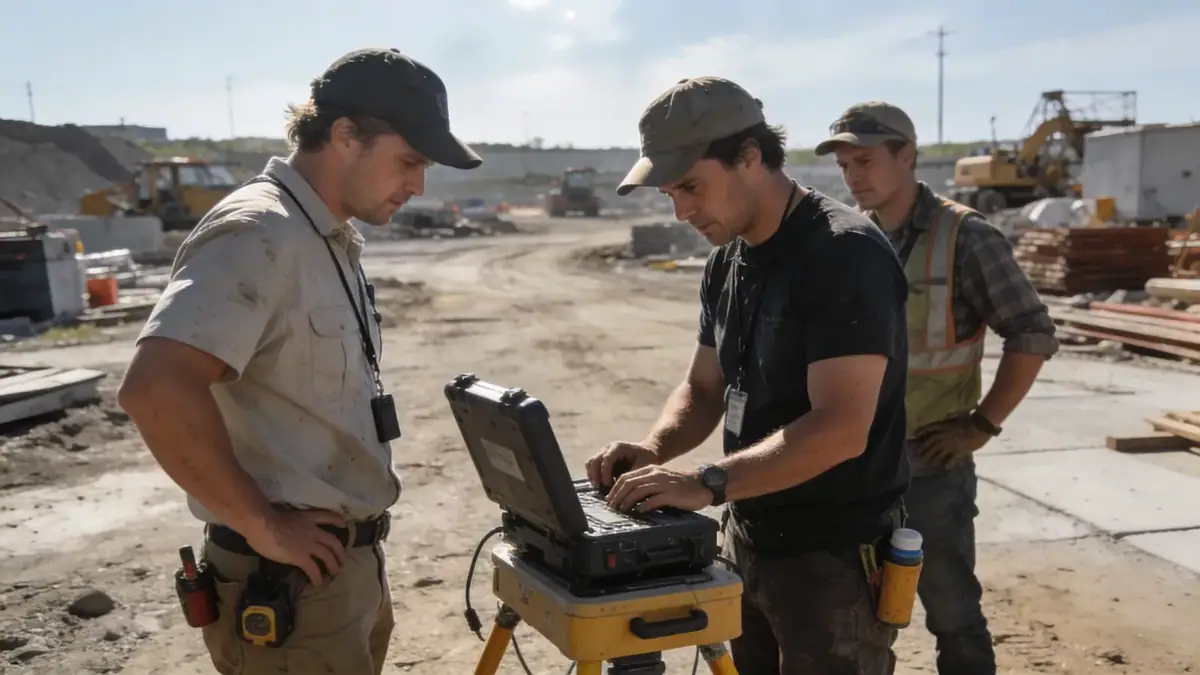
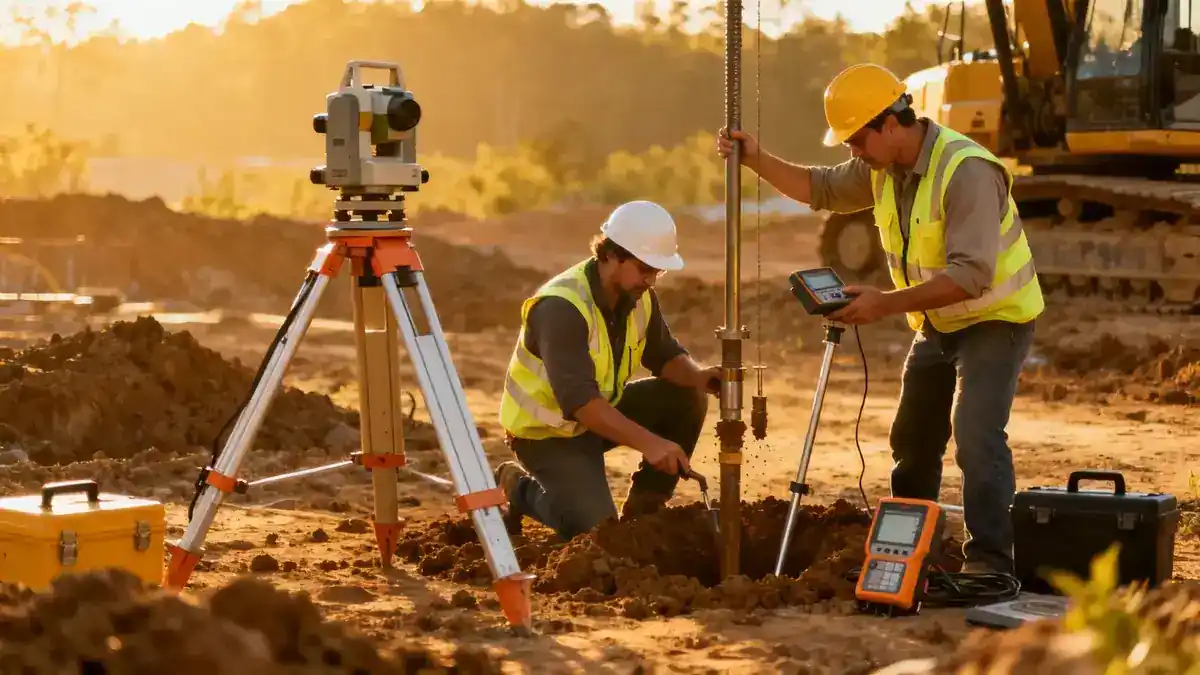
Our approach in Jacksonville integrates field exploration, laboratory testing, and analytical modeling to characterize subsurface conditions. We coordinate spt boring operations at strategic locations to retrieve soil samples and measure penetration resistance, following ASTM D1586 standards. These data are complemented by our soil mechanics laboratory analyses, including grain size distribution and Atterberg limits, to classify soils and assess engineering properties. Geotechnical parameters are interpreted using site-specific correlations, and we apply numerical modeling for foundation and slope stability evaluations. This methodology ensures robust recommendations for design and construction in Jacksonville's varied geological settings.
Reference Technical Parameters
| Parameter | Reference Value |
|---|---|
| Predominant soil type | Sand and silty sand with occasional clay layers |
| Maximum seismic acceleration (PGA) | 0.05g to 0.10g (ASCE 7-16, Site Class D) |
| Typical groundwater level | 2 to 6 feet below ground surface |
| Bedrock depth | Over 100 feet (limestone or sandstone) |
| Typical N60 range (SPT) | 5 to 30 blows per foot |
Local Considerations — Jacksonville
Jacksonville's geology is dominated by coastal plain deposits of loose to medium dense sands, with interbedded clay lenses and occasional organic soils. Groundwater levels are shallow, often within 2 to 6 feet of the surface, requiring careful dewatering and uplift considerations. Seismic hazard is low, with peak ground accelerations below 0.10g per ASCE 7, but liquefaction potential exists in loose saturated sands. The city's expansive growth has led to development on former wetlands and reclaimed land, where compressible soils and variable fill conditions pose challenges. Our team has extensive experience addressing these conditions, drawing on expertise from our geotechnical engineering en Atlanta hub to deliver consistent quality across the Southeast.
Request a Quote
Our team reviews your project and issues an initial report at no cost.
Or write us directly at [email protected]
Services in Jacksonville
Applicable Standards
- ASTM D1586 (Standard Test Method for Standard Penetration Test)
- ASCE 7-16 (Minimum Design Loads and Associated Criteria for Buildings)
- Florida Building Code (2023)
- ASTM D2487 (Classification of Soils for Engineering Purposes)
Frequently Asked Questions
What are the typical soil conditions in Jacksonville, Florida?
Jacksonville's soils are predominantly sandy with varying amounts of silt and clay, often underlain by limestone at great depth. Groundwater is shallow, and organic deposits may be present in low-lying areas. These conditions influence foundation design, requiring careful evaluation of bearing capacity and settlement.
Is seismic design required for geotechnical engineering in Jacksonville?
Yes, although seismic hazard is low, the Florida Building Code requires consideration of earthquake loads per ASCE 7. For Jacksonville, peak ground acceleration (PGA) ranges from 0.05g to 0.10g, depending on site class. Liquefaction assessment may be needed for loose saturated sands.
Are geotechnical investigations mandatory for construction projects in Jacksonville?
While not always legally required for all projects, geotechnical investigations are strongly recommended and often mandated by local building officials for commercial structures, multi-story buildings, and developments on questionable ground. They help mitigate risks and ensure compliance with the Florida Building Code.