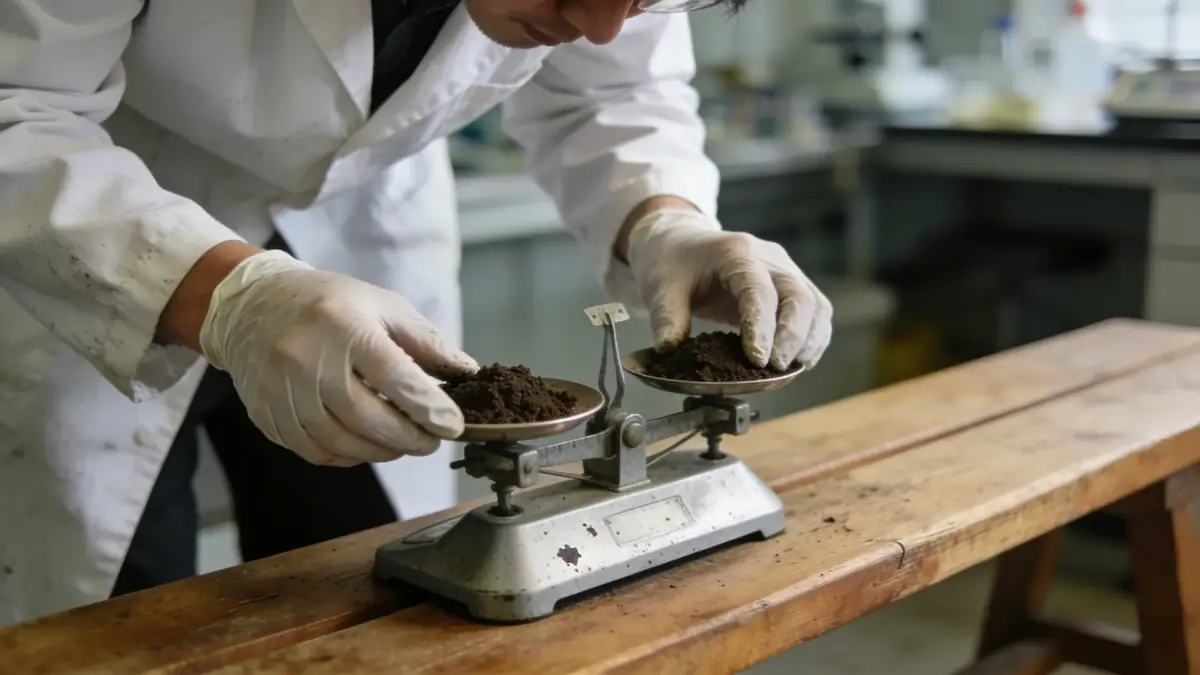
Methodology
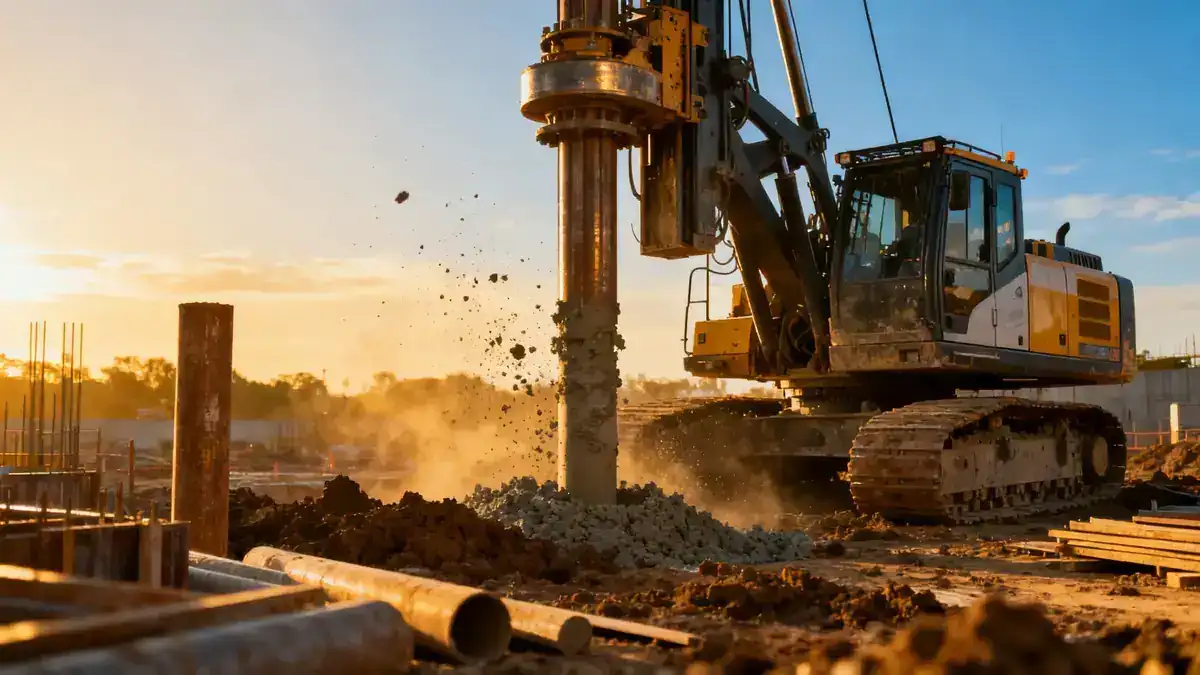
Our methodology in Irvine begins with a thorough review of existing geologic maps and geotechnical reports for the area. We then conduct a site-specific field exploration program, typically including spt boring to depths of 10 to 15 meters for residential projects, and up to 30 meters for larger structures. Sampling intervals follow ASTM D1586 standards, with split-spoon samples taken every 1.5 meters. In areas with shallow groundwater, we install monitoring wells to measure static water levels and assess potential dewatering needs. Our approach integrates seismic hazard analysis per ASCE 7, including site classification and liquefaction assessment, which is critical given Irvine's proximity to active faults like the San Andreas and Newport-Inglewood zones.
Reference Technical Parameters
| Parameter | Reference Value |
|---|---|
| Predominant soil type | Alluvial sands, silts, and clays over older Pleistocene deposits |
| Maximum seismic acceleration (PGA) | 0.4g to 0.6g (MCE, per ASCE 7) |
| Typical groundwater level | 3 to 10 meters below ground surface, varies seasonally |
| Bedrock depth | >30 meters (deep alluvial basin) |
| Typical N60 range | 10 to 40 blows/0.3m in sands; 5 to 20 in clays |
Local Considerations — Irvine
Irvine's geology is dominated by young alluvial deposits from the Santa Ana River and its tributaries, with interbedded sands, silts, and clays. In the northern parts of the city, near the foothills, older Pleistocene terrace deposits with higher densities are common, while southern areas closer to the coast may have softer, more compressible soils. Shallow groundwater is a concern in many developments, requiring careful evaluation for uplift and dewatering. Seismically, Irvine lies in a region of high hazard due to the nearby San Joaquin Hills, Elsinore, and Newport-Inglewood faults. Our team routinely performs liquefaction and settlement analyses using site-specific response spectra. For complex projects, we recommend a comprehensive soil mechanics laboratory program to characterize soil behavior under cyclic loading.
Request a Quote
Our team reviews your project and issues an initial report at no cost.
Or write us directly at [email protected]
Services in Irvine
Applicable Standards
- ASTM D1586 (Standard Test Method for Standard Penetration Test)
- ASCE 7 (Minimum Design Loads and Associated Criteria for Buildings and Other Structures)
- California Building Code (CBC) - based on IBC
- City of Irvine Municipal Code - Chapter 5 (Geotechnical Requirements)
Frequently Asked Questions
What are the typical soil conditions in Irvine for geotechnical engineering?
Irvine's soils are predominantly alluvial sands, silts, and clays, with variable density and consistency. Older Pleistocene deposits exist in northern areas. Groundwater is often encountered at depths of 3 to 10 meters, and liquefaction potential is a key concern in seismic design.
What seismic design parameters are used in Irvine?
Per ASCE 7, Irvine is classified as Seismic Design Category D or E, with peak ground accelerations (PGA) ranging from 0.4g to 0.6g for the maximum considered earthquake. Site-specific response spectra are often required for critical structures.
Are geotechnical investigations mandatory for new construction in Irvine?
Yes, the City of Irvine requires a geotechnical investigation for most new developments, including residential, commercial, and public works projects. The investigation must address seismic hazards, soil bearing capacity, and groundwater conditions, and be submitted with the building permit application.