Methodology
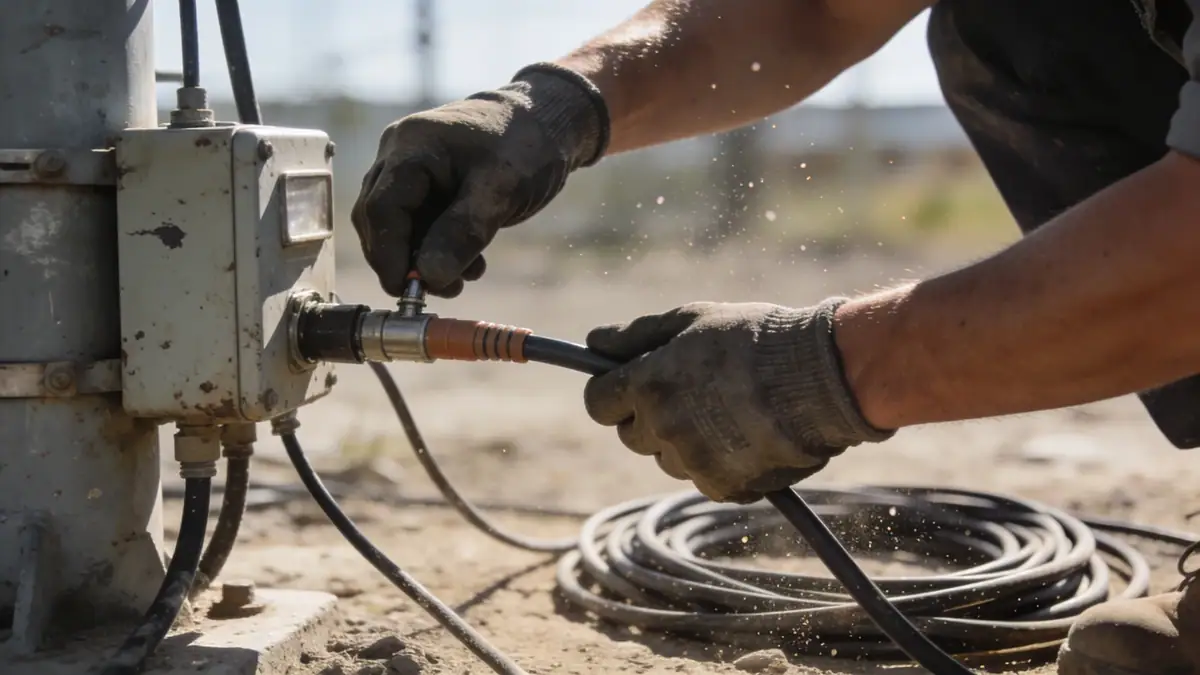
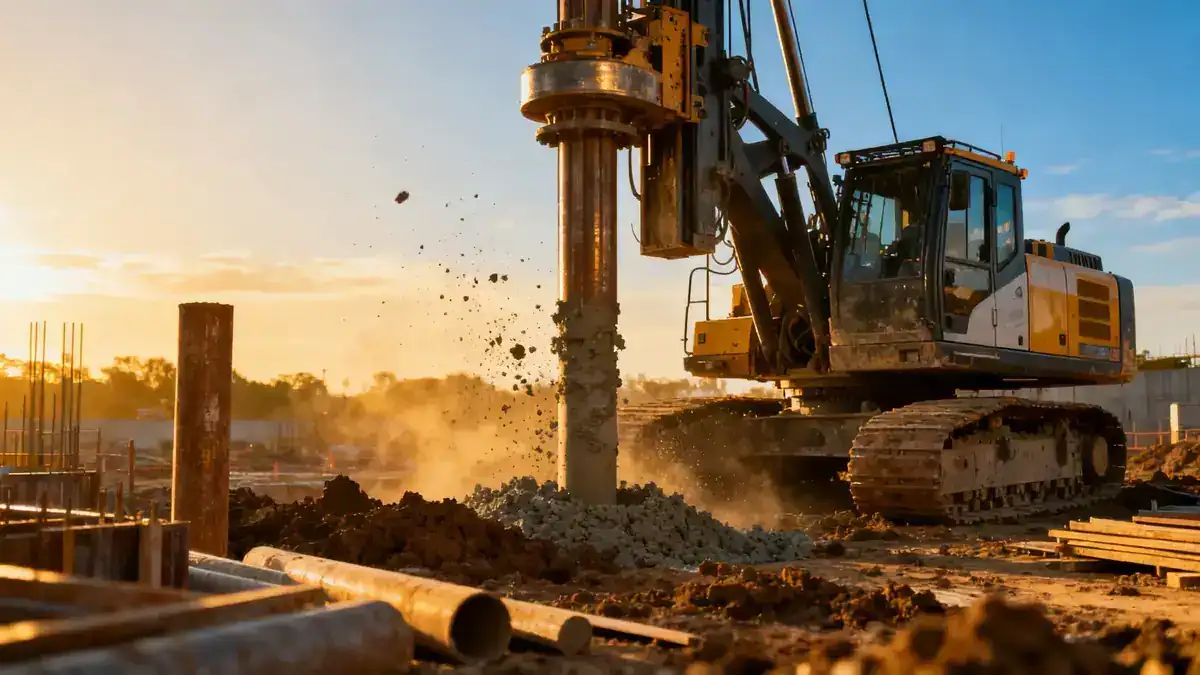
Our methodology for projects in Hayward integrates standard penetration testing, continuous sampling, and advanced laboratory analysis. For subsurface exploration, we follow ASTM D1586 for SPT borings, typically advancing boreholes to depths of 8–15 meters for residential sites and up to 30 meters for commercial structures. We also employ cone penetration testing (CPT) where continuous stratigraphic profiles are required. All field data is correlated with local geologic maps and historical records to develop reliable soil models. For more details on our field testing procedures, visit our spt boring page.
Reference Technical Parameters
| Parameter | Reference Value |
|---|---|
| Predominant soil type | Alluvial clay, silt, sand with gravel zones |
| Maximum seismic acceleration (PGA) | 0.6g (ASCE 7 Site Class D) |
| Typical groundwater level | 3–8 meters below ground surface |
| Bedrock depth | 10–30 meters (Franciscan Complex) |
| Typical N60 range | 10–50 blows/0.3m (variable by depth) |
Local Considerations — Hayward
Hayward sits astride the Hayward Fault, a major branch of the San Andreas system, which imposes significant seismic design requirements. The city's geology ranges from Holocene alluvium in the flatlands to older Franciscan bedrock in the hills. Groundwater levels are generally shallow near the bay, requiring dewatering considerations for deep excavations. In the hills, slope stability is a common concern, and our team frequently conducts detailed slope stability analyses for hillside developments. For central Hayward, our geotechnical engineering en Los Angeles team coordinates with local offices to ensure consistent standards across the region.
Request a Quote
Our team reviews your project and issues an initial report at no cost.
Or write us directly at [email protected]
Services in Hayward
Applicable Standards
- ASTM D1586
- ASCE 7
- California Building Code (CBC)
- Hayward Fault Alquist-Priolo Zone regulations
- City of Hayward Municipal Code
Frequently Asked Questions
What are the typical soil conditions in Hayward?
Soils in Hayward vary from soft alluvial clays and silts near the bay to stiff sands and gravels in the eastern hills. The presence of the Hayward Fault also creates zones of sheared and fractured rock. A site-specific investigation is essential to characterize these variable conditions.
How does the Hayward Fault affect geotechnical design?
The Hayward Fault is considered active and capable of producing magnitude 7.0+ earthquakes. Geotechnical designs must address fault rupture hazard, ground shaking amplification, and liquefaction potential. Seismic site class and peak ground acceleration (0.6g) are key parameters per ASCE 7.
Are geotechnical studies required for all new construction in Hayward?
Yes, the City of Hayward requires a geotechnical investigation for most new buildings, additions, and hillside developments. The study must evaluate soil bearing capacity, seismic hazards, and provide recommendations for foundations and earthwork. Our firm prepares reports that satisfy local building department requirements.