Methodology
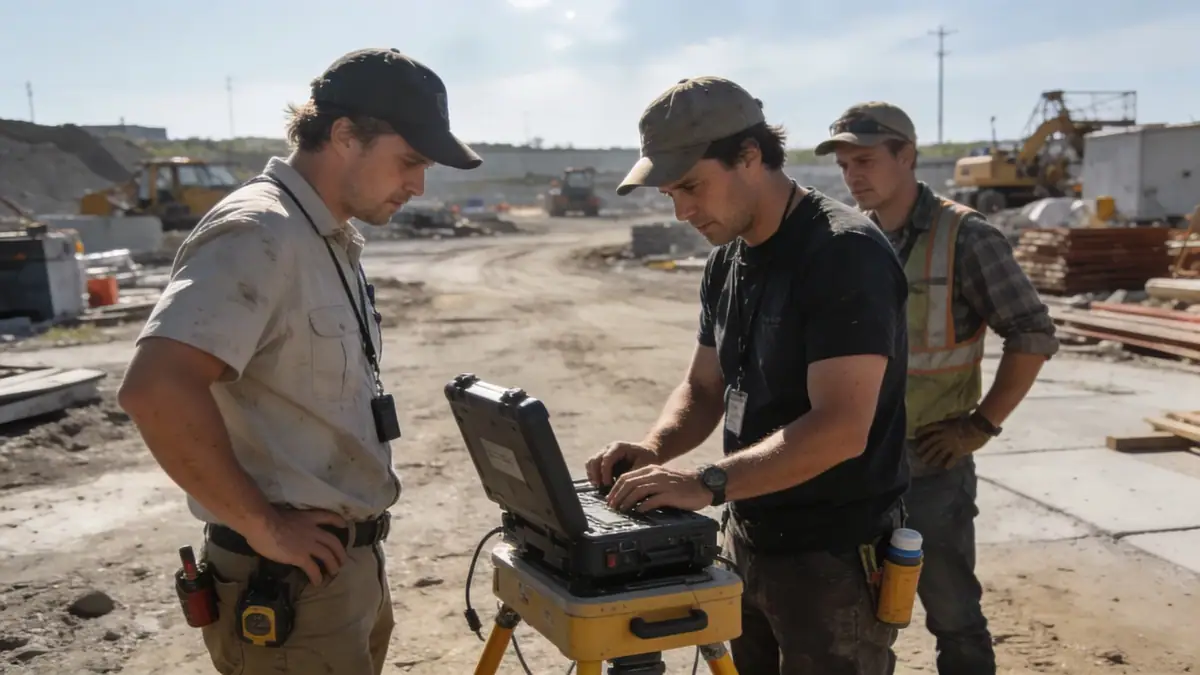
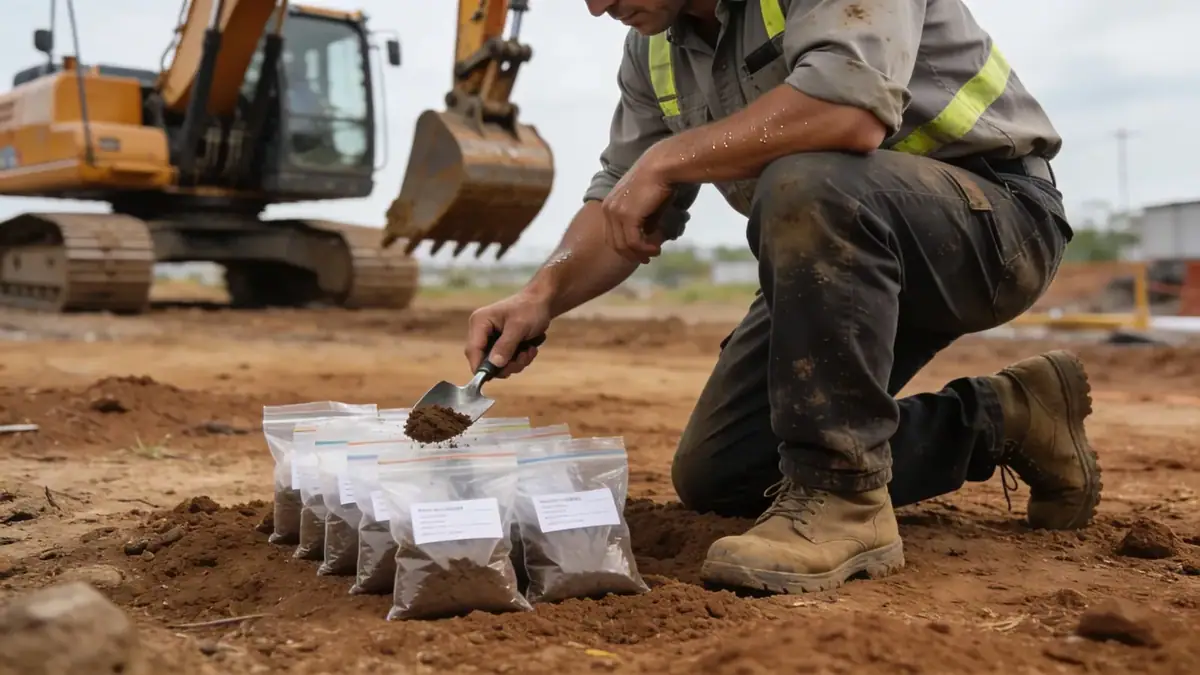
Our approach to geotechnical engineering in Greensboro begins with a thorough review of existing geological maps and previous project data. We then perform subsurface explorations using standard penetration testing (SPT) per ASTM D1586, with sampling intervals typically every 1.5 meters. The recovered soil samples undergo classification and laboratory testing in our soil mechanics laboratory, including grain size analysis, Atterberg limits, and moisture content determination. For projects requiring deeper investigation, we utilize spt boring to assess bearing capacity and soil stiffness. All field and laboratory data are synthesized into a comprehensive geotechnical report that addresses foundation recommendations, slope stability, and construction considerations.
Reference Technical Parameters
| Parameter | Reference Value |
|---|---|
| Predominant soil type | Residual silty sands and clays (saprolite) |
| Maximum seismic acceleration (PGA) | 0.15g (ASCE 7-16 Site Class C) |
| Typical groundwater level | 5–15 m below ground surface |
| Bedrock depth | 3–15 m (weathering profile variable) |
| Typical N60 range (sands) | 10–30 blows/ft |
Local Considerations — Greensboro
Greensboro's geology is dominated by Piedmont residual soils, which are highly variable and often exhibit significant strength increase with depth. Shallow groundwater is less common but may be perched in clay layers. Seismic design per ASCE 7-16 typically uses Site Class C with PGA of 0.15g. In older neighborhoods like Fisher Park, fill soils from previous development can complicate foundation design. For projects in these areas, we recommend a detailed subsurface investigation to identify any soft zones or buried debris. For comprehensive geotechnical services, our soil mechanics laboratory supports local projects with advanced testing capabilities.
Request a Quote
Our team reviews your project and issues an initial report at no cost.
Or write us directly at [email protected]
Services in Greensboro
Applicable Standards
- ASTM D1586 (Standard Penetration Test)
- ASCE 7-16 (Minimum Design Loads for Buildings)
- International Building Code (IBC 2021)
Frequently Asked Questions
What types of soil are commonly found in Greensboro?
Greensboro is underlain by Piedmont residual soils, primarily silty sands and clays derived from the weathering of metamorphic and igneous rocks. These soils are often heterogeneous, with properties improving with depth as they transition to saprolite and bedrock.
Is seismic design required in Greensboro?
Yes, Greensboro is in a moderate seismic zone. According to ASCE 7-16, the maximum considered earthquake spectral response acceleration (S_DS) is approximately 0.3g for Site Class C. Seismic design is required for most commercial and multi-family structures.
Are geotechnical studies mandatory for construction in Greensboro?
While not always mandatory for single-family homes, geotechnical studies are highly recommended and often required by local building departments for commercial, industrial, and multi-story residential projects. They help identify soil variability and provide foundation recommendations to mitigate risks.