Methodology
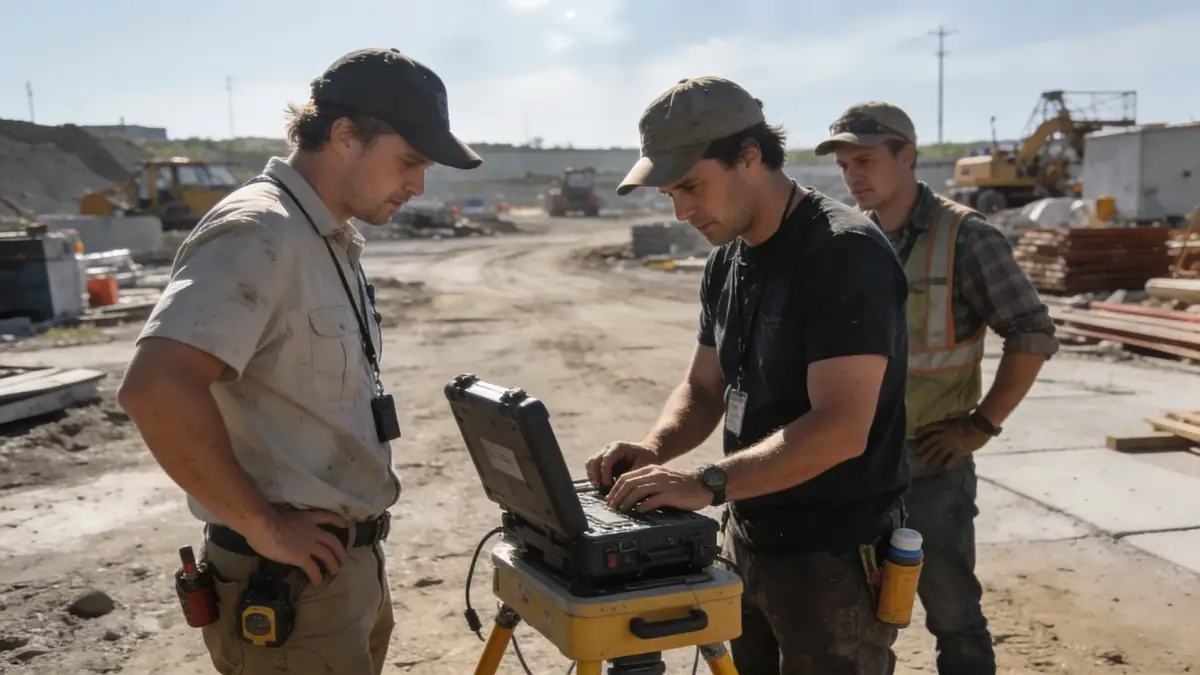
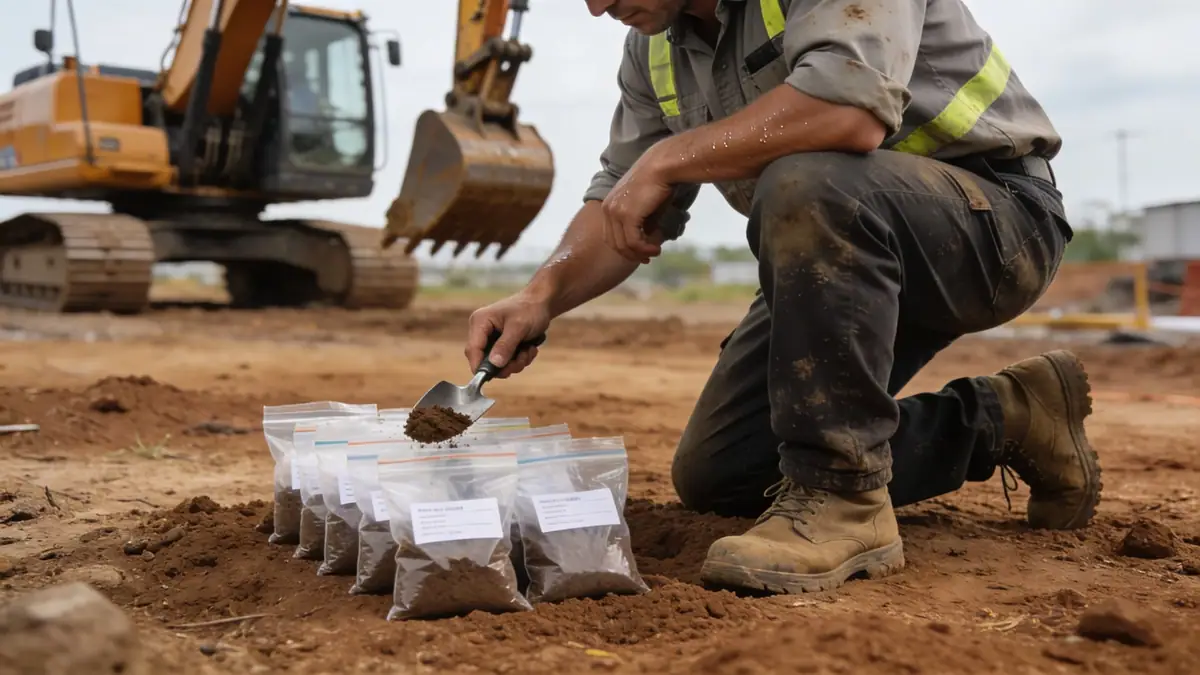
Our approach to geotechnical engineering in Garland integrates standard penetration testing (SPT) as per ASTM D1586 with advanced laboratory analyses. We conduct borings at intervals of 1.0 to 1.5 meters to capture stratigraphic variability, typically reaching depths of 8 to 15 meters for residential projects and up to 30 meters for industrial sites. In the laboratory, we perform grain size distribution (ASTM D6913), Atterberg limits, and Proctor compaction tests to classify soils and assess their engineering behavior. This methodology ensures that our recommendations for foundation design and earthwork are based on robust, site-specific data, reducing uncertainty for developers and contractors in Garland.
Reference Technical Parameters
| Parameter | Reference Value |
|---|---|
| Predominant Soil Type | Expansive clay (Ch) over alluvial sands |
| Maximum Seismic Acceleration (PGA) | 0.25–0.35 g (ASCE 7) |
| Typical Groundwater Level | 4–8 m below surface |
| Bedrock Depth | 10–25 m (Eagle Ford Shale) |
| Typical N60 Range | 4–15 blows/ft (clay), 20–40 blows/ft (sand) |
Local Considerations — Garland
Garland's geology is dominated by expansive clay soils derived from the Eagle Ford Shale, which undergo significant volume changes with moisture fluctuations. This necessitates careful evaluation of soil suction and swell potential to mitigate foundation heave. The city falls within Seismic Design Category D per ASCE 7, with peak ground accelerations up to 0.35 g, requiring site-specific response spectra for critical structures. Groundwater levels typically range from 4 to 8 meters, influencing excavation dewatering and basement design. Northern Garland features shallower bedrock (10–15 m), while southern areas have deeper deposits (20–25 m). Common issues include slab-on-grade distress and retaining wall failures due to lateral earth pressures from expansive clays. Our team collaborates with local authorities and references geotechnical engineering en Houston for regional best practices, adapting them to Garland's distinct subsurface conditions. For in-depth analysis, we recommend soil mechanics laboratory testing to quantify shrink-swell behavior.
Request a Quote
Our team reviews your project and issues an initial report at no cost.
Or write us directly at [email protected]
Services in Garland
Applicable Standards
- ASTM D1586 (Standard Penetration Test)
- ASCE 7 (Minimum Design Loads for Buildings)
- IBC (International Building Code)
- City of Garland Geotechnical Guidelines
Frequently Asked Questions
What are the typical soil conditions in Garland for foundation design?
Garland predominantly features expansive clay soils (CH) with high plasticity, underlain by alluvial sands and Eagle Ford Shale. These clays exhibit significant shrink-swell potential, requiring foundation designs that account for moisture changes, such as post-tensioned slabs or deep piers bearing on stable strata.
Is a geotechnical study mandatory for new construction in Garland?
While not explicitly mandated by the city for all projects, the International Building Code (IBC) requires a geotechnical investigation for structures in Seismic Design Category D. Most lenders and engineers in Garland recommend a study to address expansive soil risks and comply with ASCE 7 seismic provisions.
How does seismic activity affect geotechnical design in Garland?
Garland lies in Seismic Design Category D with PGA values of 0.25–0.35 g. This necessitates site-specific response spectra, liquefaction assessment (especially in sandy layers), and careful consideration of dynamic soil properties to ensure foundation and retaining wall stability during earthquake events.