Methodology
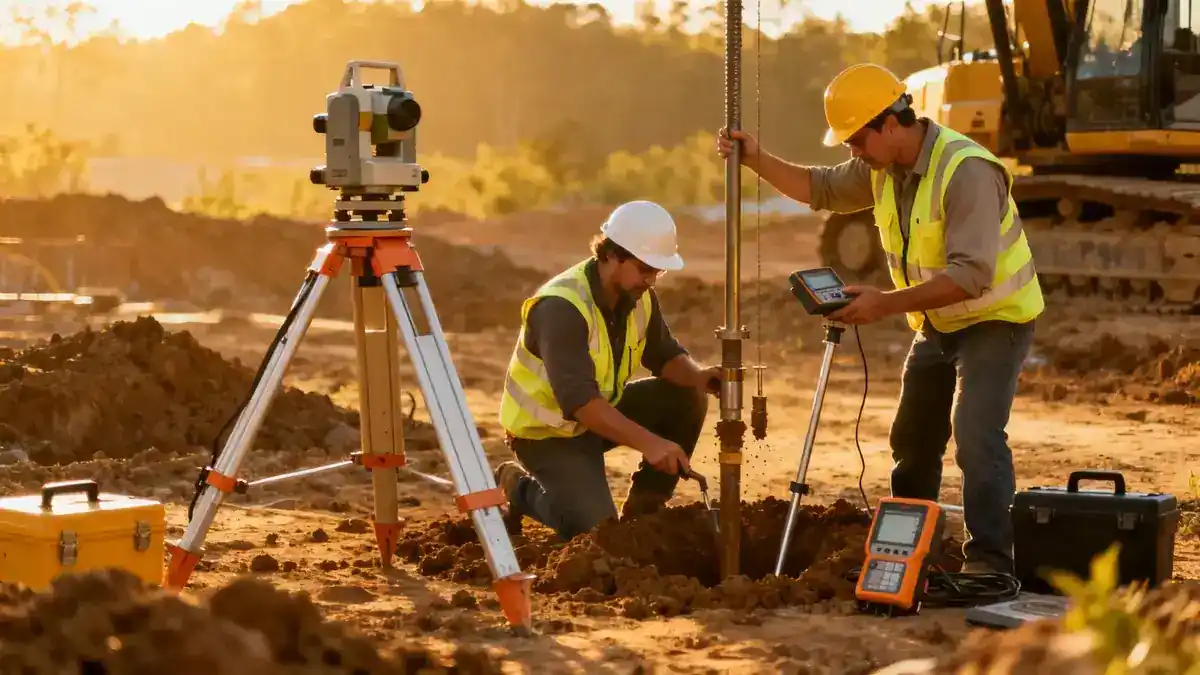
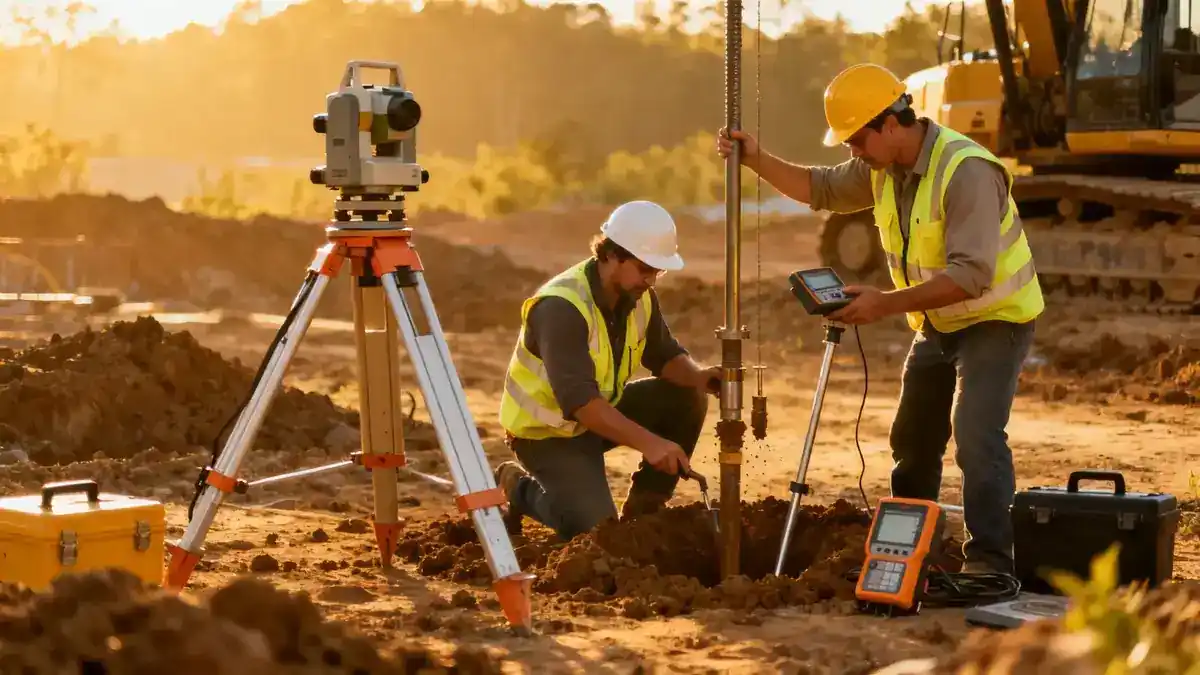
Our methodology for geotechnical engineering in Fullerton integrates field investigation, laboratory testing, and analytical modeling. We perform spt boring to obtain soil samples and measure resistance using the Standard Penetration Test (ASTM D1586), with typical depths ranging from 8 to 15 meters for residential projects. Laboratory testing includes classification, strength, and consolidation tests to characterize soil behavior. Seismic hazard analysis follows ASCE 7 to determine site-specific ground motion parameters. This systematic approach ensures robust design recommendations for foundations, retaining structures, and slope stability, tailored to Fullerton's unique conditions.
Reference Technical Parameters
| Parameter | Reference Value |
|---|---|
| Predominant soil type | Alluvial sands, silts, and clays with gravel layers |
| Maximum seismic acceleration (PGA) | 0.4g to 0.6g (Site Class D, per ASCE 7) |
| Typical groundwater level | 3 to 8 meters below ground surface |
| Bedrock depth | 30 to 60 meters (Tertiary sedimentary rock) |
| Typical N60 range (SPT) | 10 to 40 blows per 0.3 m |
Local Considerations — Fullerton
Fullerton's geology comprises alluvial deposits from the Santa Ana River and ancient marine sediments, resulting in heterogeneous soil profiles. The city lies in a seismically active region with multiple fault systems, including the Whittier and Elsinore faults, requiring site-specific seismic hazard assessments per ASCE 7. Groundwater levels fluctuate seasonally, impacting excavations and foundation design. Older neighborhoods may have undocumented fills, while newer developments often encounter stiff soils. For regional context, our firm also offers geotechnical engineering services from Los Angeles, leveraging broader experience in Southern California.
Request a Quote
Our team reviews your project and issues an initial report at no cost.
Or write us directly at [email protected]
Services in Fullerton
Applicable Standards
- ASTM D1586 (Standard Penetration Test)
- ASCE 7 (Minimum Design Loads for Buildings and Other Structures)
- California Building Code (CBC)
- ASTM D2487 (Soil Classification)
- ASTM D3080 (Direct Shear Test)
Frequently Asked Questions
What soil types are commonly encountered in Fullerton?
Fullerton primarily features alluvial soils such as sands, silts, and clays, often with gravel layers. These soils can be variable over short distances, requiring thorough subsurface investigation to characterize their engineering properties for foundation design.
How does seismic activity affect geotechnical engineering in Fullerton?
Fullerton is in a high-seismic zone with peak ground accelerations up to 0.6g. Geotechnical reports must address liquefaction potential, site classification, and lateral spreading risks per ASCE 7, influencing foundation type and depth.
Are geotechnical studies mandatory for construction in Fullerton?
Yes, the California Building Code requires geotechnical investigations for most new construction and significant renovations. Local jurisdictions in Fullerton typically enforce these requirements, especially for projects in seismic hazard zones or with expansive soils.