Methodology
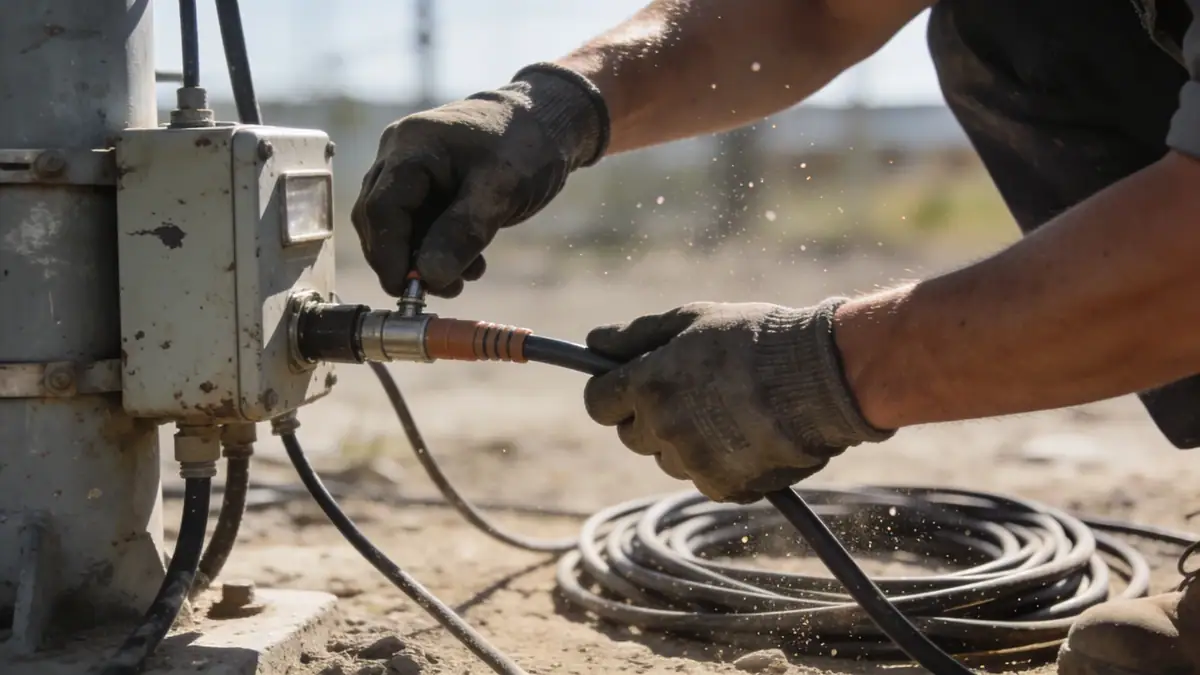
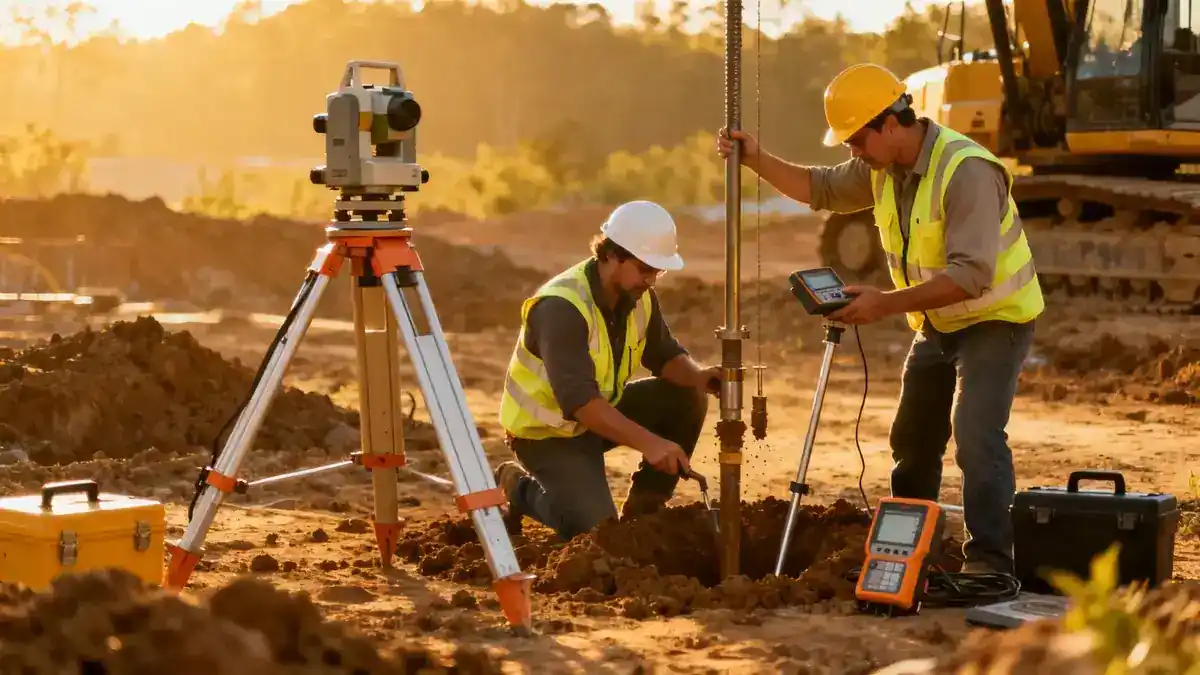
Our methodology in Fresno begins with a detailed review of existing geologic maps and historical data. We then conduct field investigations, including spt boring at critical depths to characterize soil stratigraphy and strength. Laboratory testing on recovered samples determines index properties, compaction characteristics, and shear strength parameters. Seismic hazard analysis follows ASCE 7 guidelines to assess liquefaction potential and design ground motions. Our integrated approach ensures that each recommendation is tailored to the site-specific conditions, providing reliable data for foundation design and earthwork construction.
Reference Technical Parameters
| Parameter | Reference Value |
|---|---|
| Predominant soil type | Sandy loam to clay with variable organic content |
| Maximum seismic acceleration (PGA) | 0.3g to 0.4g per ASCE 7-16 |
| Typical groundwater level | 15 to 30 feet below ground surface |
| Bedrock depth | 500 to 1,500 feet |
| Typical N60 range | 10 to 30 blows per foot in cohesionless soils |
Local Considerations — Fresno
Fresno's geology is dominated by alluvial deposits from the Sierra Nevada, resulting in a profile of interbedded sands, silts, and clays. The shallow groundwater table in some areas necessitates careful dewatering and foundation elevation. Seismic design must account for the potential of soil liquefaction in loose granular layers, particularly near the San Joaquin River. The city's expansive clay soils, common in the northern neighborhoods, require mitigation through controlled compaction or chemical stabilization. Our firm has extensive experience addressing these conditions and coordinates with local building departments. For broader context, our geotechnical engineering en Los Angeles team provides additional regional expertise.
Request a Quote
Our team reviews your project and issues an initial report at no cost.
Or write us directly at [email protected]
Services in Fresno
Applicable Standards
- ASTM D1586 (Standard Penetration Test)
- ASCE 7-16 (Minimum Design Loads for Buildings and Other Structures)
- California Building Code (CBC) 2019
- ASTM D2487 (Classification of Soils for Engineering Purposes)
Frequently Asked Questions
What are the typical soil conditions in Fresno?
Fresno's soils are primarily alluvial deposits from the Sierra Nevada, consisting of interbedded sands, silts, and clays. The valley floor also contains expansive clays in some areas, requiring careful geotechnical evaluation for foundation design.
Is seismic analysis required for projects in Fresno?
Yes, Fresno is in Seismic Zone 4 per the California Building Code. Site-specific seismic hazard analysis is typically required to determine peak ground acceleration and evaluate liquefaction potential, especially in areas with high groundwater.
Are geotechnical studies mandatory for new construction in Fresno?
Most local jurisdictions in Fresno County require a geotechnical report for new building permits, particularly for commercial and multi-family projects. The report must address soil bearing capacity, settlement, and seismic hazards per CBC requirements.