Methodology
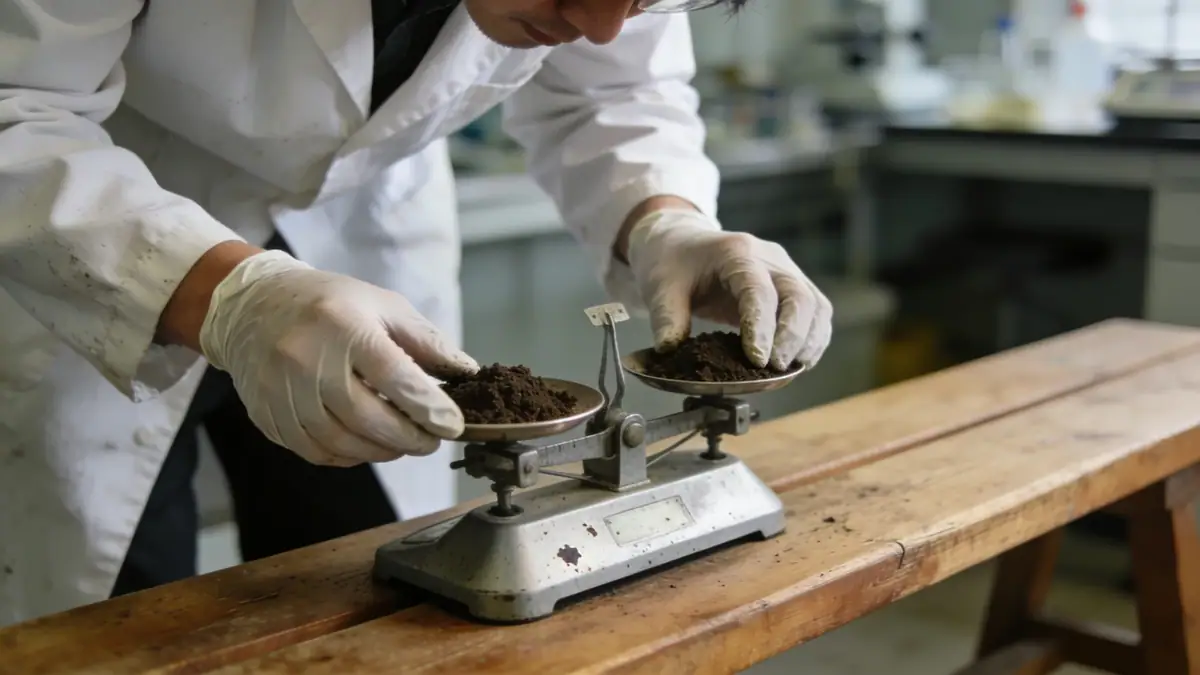
Our approach to geotechnical engineering in Fremont integrates site-specific field investigations with advanced laboratory testing. We perform spt boring at intervals of 1.0 to 1.5 meters per ASTM D1586, extending to depths of 8 to 15 meters for typical residential projects and up to 30 meters for larger structures. Cone penetration testing (CPT) provides continuous stratigraphic profiles, while test pits allow direct observation of shallow soils. Laboratory programs include grain size distribution (ASTM D6913), Atterberg limits (ASTM D4318), and direct shear testing (ASTM D3080) to characterize soil behavior under static and seismic loading. All work complies with applicable building codes and local regulatory requirements.
Reference Technical Parameters
| Parameter | Reference Value |
|---|---|
| Predominant soil type | Alluvial clays and sands with gravel lenses |
| Maximum seismic acceleration (PGA) | 0.4g to 0.5g (seismic zone 4 per ASCE 7) |
| Typical groundwater level | 3 to 6 meters below ground surface |
| Bedrock depth | 10 to 30 meters (variable) |
| Typical N60 range | 5 to 35 blows per 0.3 m (SPT) |
Local Considerations — Fremont
Fremont lies within the seismically active East Bay region, with numerous active faults including the Hayward and Calaveras faults. The city's geology consists primarily of alluvial deposits from the Mission Creek and Alameda Creek watersheds, underlain by the Franciscan Complex. Soil conditions vary significantly: the western areas near the Bay exhibit soft, compressible clays with high groundwater, while the eastern hills feature stiffer colluvial soils on bedrock. Our team incorporates site-specific seismic hazard analyses, including liquefaction susceptibility evaluations per ASCE 7, for all projects. We also coordinate with local agencies such as the Alameda County Flood Control District. For broader regional context, visit our geotechnical engineering en Los Angeles page. Additionally, our slope stability services address the unique challenges of Fremont's hillside developments.
Request a Quote
Our team reviews your project and issues an initial report at no cost.
Or write us directly at [email protected]
Services in Fremont
Applicable Standards
- ASTM D1586 (Standard Test Method for Standard Penetration Test)
- ASCE 7 (Minimum Design Loads for Buildings and Other Structures)
- California Building Code (CBC, based on IBC)
- Alameda County Grading and Erosion Control Ordinances
Frequently Asked Questions
What types of soil are commonly encountered in Fremont?
Fremont soils include alluvial clays, silty sands, and gravels derived from the surrounding hills. In western areas, soft bay clays and organic deposits are common, while eastern hills feature stiffer colluvial soils over bedrock. Groundwater is typically encountered at depths of 3 to 6 meters.
How do seismic hazards affect geotechnical engineering in Fremont?
Fremont is in seismic zone 4 per ASCE 7, with peak ground accelerations up to 0.5g. The Hayward and Calaveras faults pose significant earthquake risk. Geotechnical investigations must evaluate liquefaction, lateral spreading, and fault rupture potential to design safe foundations and retaining structures.
Are geotechnical studies mandatory for construction in Fremont?
Yes, the California Building Code requires a geotechnical investigation for most new structures, especially in seismically active areas. Local jurisdictions in Alameda County also mandate site-specific reports for grading permits, hillside developments, and projects near fault zones.