Methodology
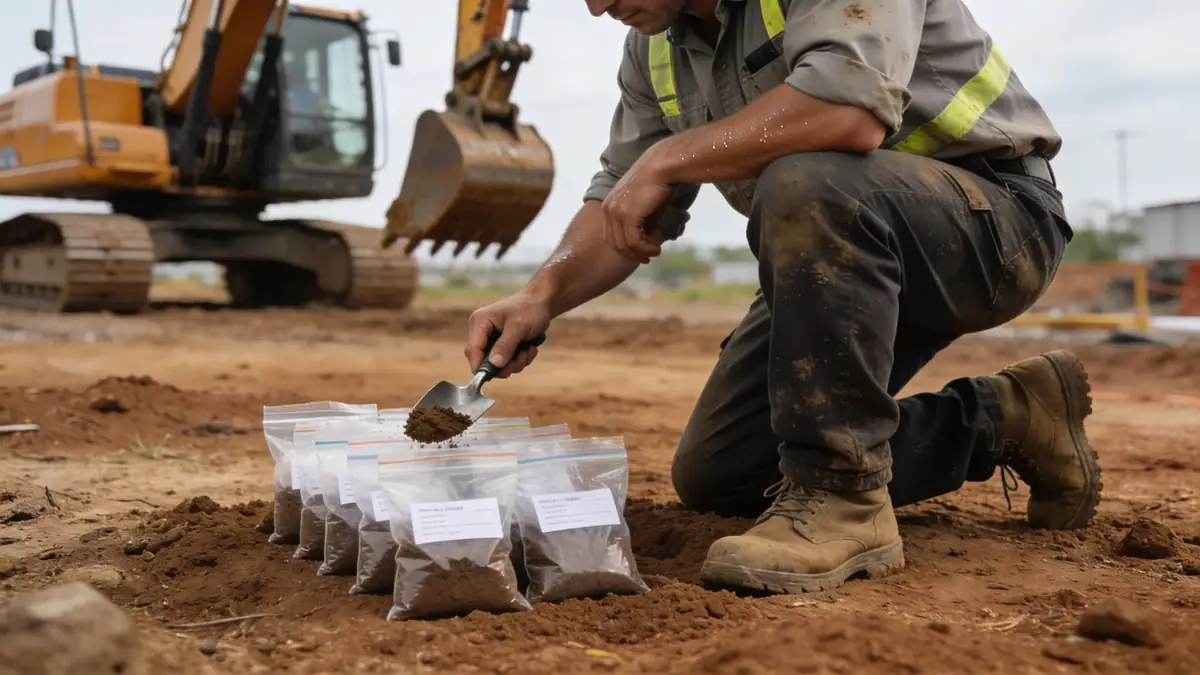
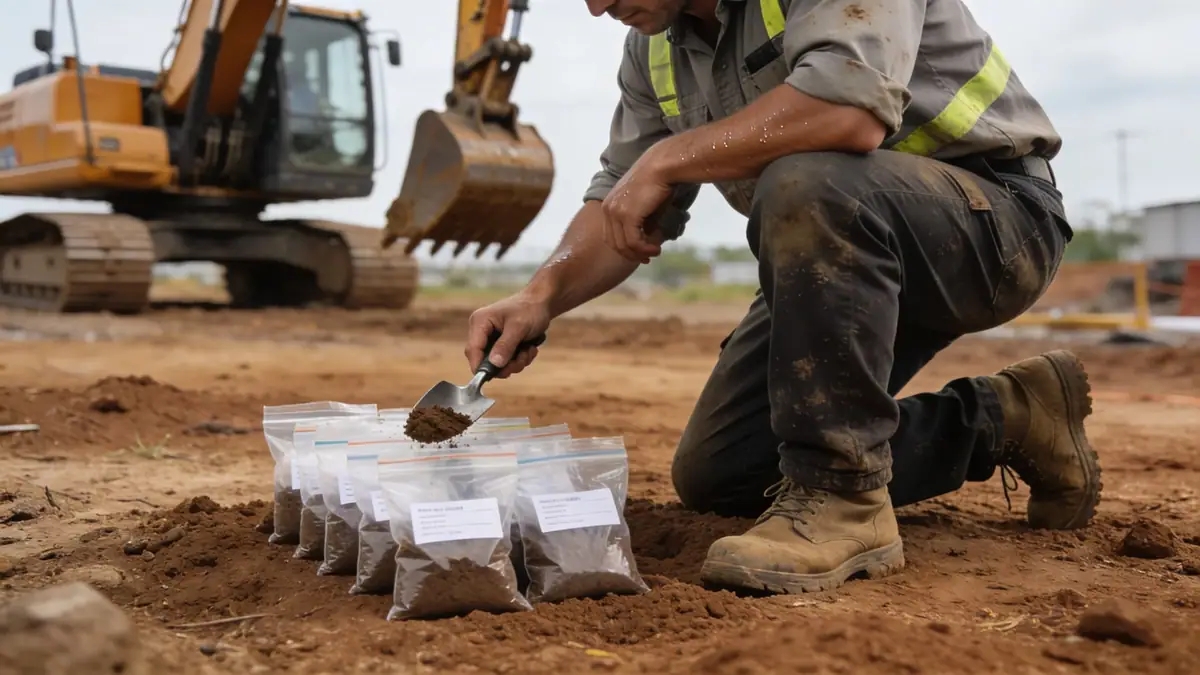
Our methodology for geotechnical engineering in Fort Lauderdale integrates field exploration, laboratory testing, and numerical analysis. We begin with a review of existing geological maps and nearby project records. Fieldwork typically includes spt boring to recover disturbed and undisturbed samples, supplemented by cone penetration testing (CPT) where continuous profiles are needed. Groundwater monitoring wells are installed to establish seasonal fluctuations. All sampling follows ASTM D1586 standards. Laboratory tests then classify soils, measure strength, and determine consolidation characteristics. The final geotechnical report provides design parameters for foundations, retaining walls, and slope stability, ensuring compliance with local building codes.
Reference Technical Parameters
| Parameter | Reference Value |
|---|---|
| Predominant Soil Type | Sand, silty sand, limestone (Miami Limestone) |
| Maximum Seismic Acceleration (PGA) | 0.05g to 0.10g (ASCE 7-16 Site Class D) |
| Typical Groundwater Level | 1 to 4 feet below ground surface |
| Bedrock Depth | 10 to 30 feet (limestone) |
| Typical N60 Range | 5 to 50 blows/ft (variable) |
Local Considerations — Fort Lauderdale
Fort Lauderdale's geology is dominated by the Biscayne Aquifer, resulting in a high water table that influences excavation dewatering and foundation type selection. The Miami Limestone formation, present at shallow depths, provides good bearing capacity for shallow foundations but requires careful consideration for deep foundations due to solution features. Seismic hazard is low, but site response analyses are recommended for critical structures. The city's proximity to the coast necessitates corrosion protection for steel piles. Our team has extensive experience navigating these conditions and can provide tailored recommendations. For projects requiring regional coordination, see our geotechnical engineering en Miami page.
Request a Quote
Our team reviews your project and issues an initial report at no cost.
Or write us directly at [email protected]
Services in Fort Lauderdale
Applicable Standards
- ASTM D1586
- ASCE 7-16
- Florida Building Code (7th Edition)
- IBC 2021
Frequently Asked Questions
What are the typical soil conditions in Fort Lauderdale?
Soils are predominantly sands and silty sands underlain by Miami Limestone at depths of 10 to 30 feet. The water table is very shallow, often within 4 feet of the surface. Organic soils and peat may be encountered in some areas.
Is a geotechnical investigation required for construction in Fort Lauderdale?
Yes, the Florida Building Code mandates a geotechnical investigation for most structures, especially those with deep foundations or in areas with known subsurface variability. Local jurisdictions in Broward County typically require a soils report for permit approval.
How does the high water table affect foundation design in Fort Lauderdale?
The shallow water table requires dewatering during excavation and may necessitate waterproofing for below-grade structures. It also influences foundation type; shallow foundations may be feasible if groundwater is controlled, while deep foundations often extend into the underlying limestone for bearing and uplift resistance.