Methodology
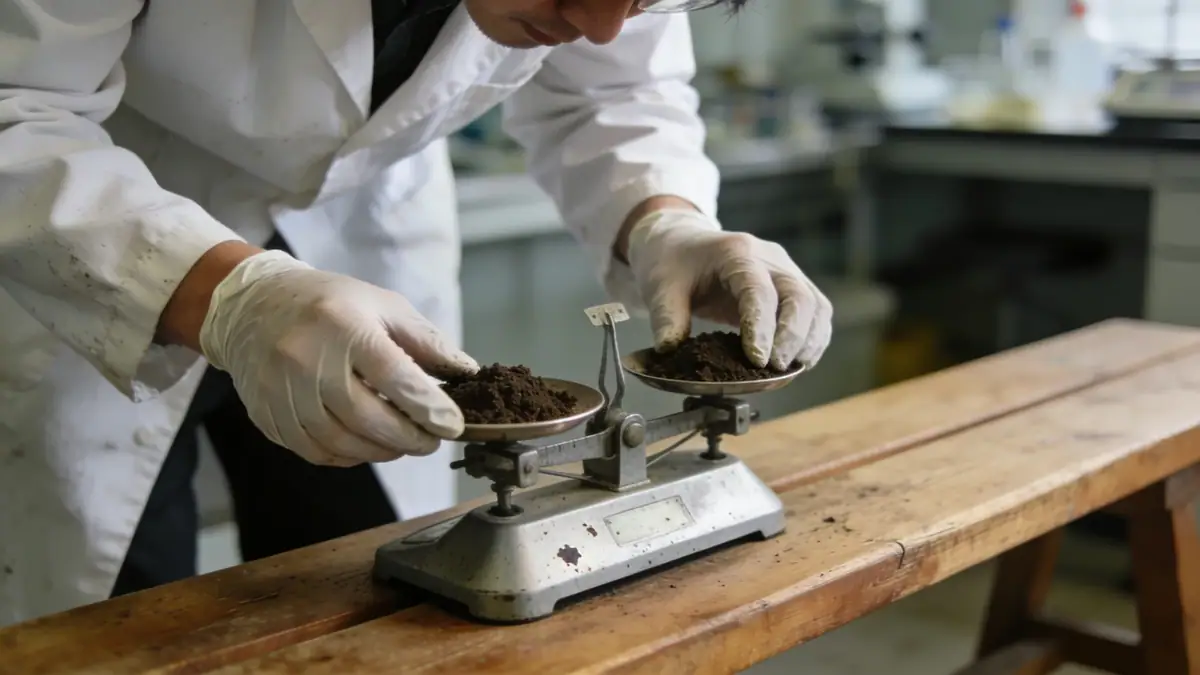
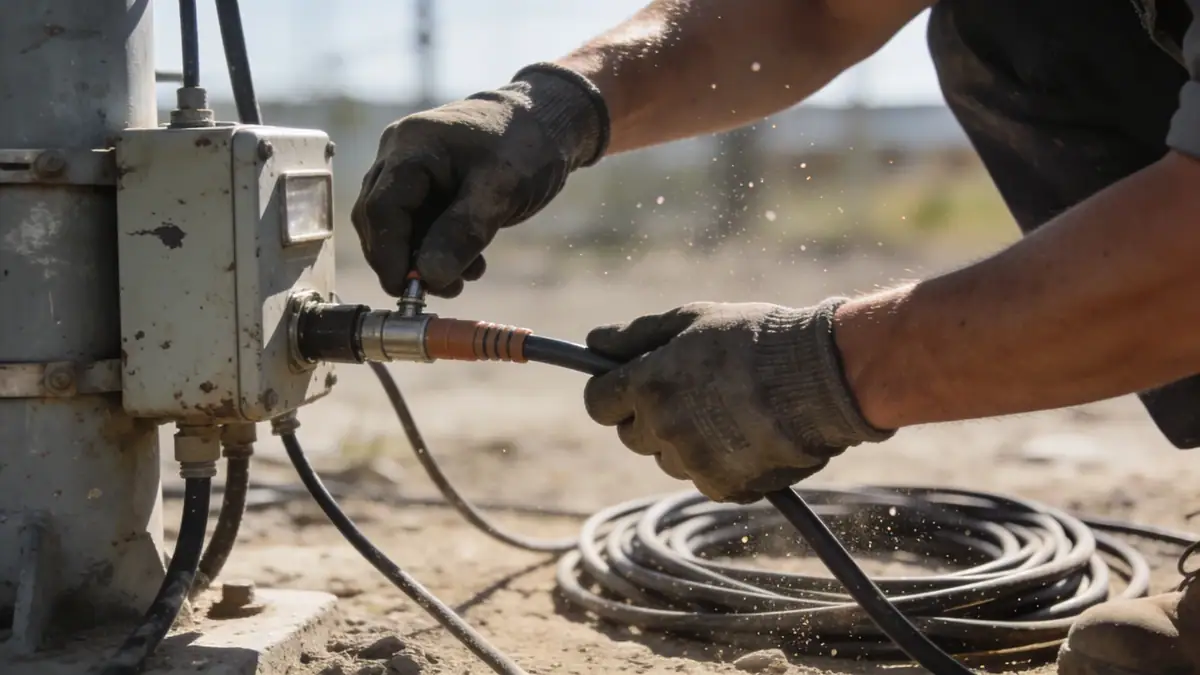
Our methodology for projects in Detroit integrates field exploration, laboratory testing, and analytical modeling. We conduct spt boring in accordance with ASTM D1586 to characterize soil profiles, typically advancing borings to depths of 10–30 m depending on structural loads. Soil samples are retrieved for laboratory classification and strength testing. Groundwater levels are monitored using piezometers, and seismic hazard is evaluated per ASCE 7-16. Our approach is tailored to the heterogeneous glacial deposits of the region, ensuring reliable design parameters for foundations, earth retention, and slope stability.
Reference Technical Parameters
| Parameter | Reference Value |
|---|---|
| Predominant soil type | Glacial till and lacustrine clay |
| Maximum seismic acceleration (PGA) | 0.12–0.18 g (ASCE 7-16) |
| Typical groundwater level | 2–6 m below ground surface |
| Bedrock depth | 15–40 m (Devonian limestone/shale) |
| Typical N60 range (sands) | 10–30 blows/0.3 m |
Local Considerations — Detroit
Detroit's subsurface is dominated by glacial deposits from the Wisconsinan glaciation. Downtown, dense glacial till and outwash sands provide generally competent bearing strata, but historic fill and underground utilities complicate conditions. In contrast, suburban areas like Dearborn and Warren feature soft lacustrine clays and organic silts with high compressibility, requiring deep foundations or ground improvement. The region is in Seismic Design Category B (ASCE 7), with low to moderate seismicity. Typical projects include high-rise foundations in till and residential slabs on clay. For broader regional context, our geotechnical engineering services in Chicago address similar glacial geology.
Request a Quote
Our team reviews your project and issues an initial report at no cost.
Or write us directly at [email protected]
Services in Detroit
Applicable Standards
- ASTM D1586 (Standard Penetration Test)
- ASCE 7-16 (Minimum Design Loads for Buildings)
- International Building Code (IBC) 2021
- Michigan Building Code (MBC) based on IBC
- ASTM D2487 (Unified Soil Classification System)
Frequently Asked Questions
What are the typical soil types encountered in Detroit?
Soils in Detroit predominantly consist of glacial till (sandy clay with gravel), lacustrine clay, and outwash sands. Buried valleys may contain organic silts and peats. Local variations are common due to glacial history.
What seismic design considerations apply to Detroit?
Detroit falls under Seismic Design Category B per ASCE 7-16, with peak ground accelerations of 0.12–0.18 g. Site-specific response spectra may be required for critical structures, but standard detailing is typically sufficient.
Are geotechnical investigations mandatory for all projects in Detroit?
Yes, the Michigan Building Code requires a geotechnical investigation for most buildings and structures. The scope depends on occupancy category and site conditions. Our firm provides investigations compliant with IBC and local amendments.